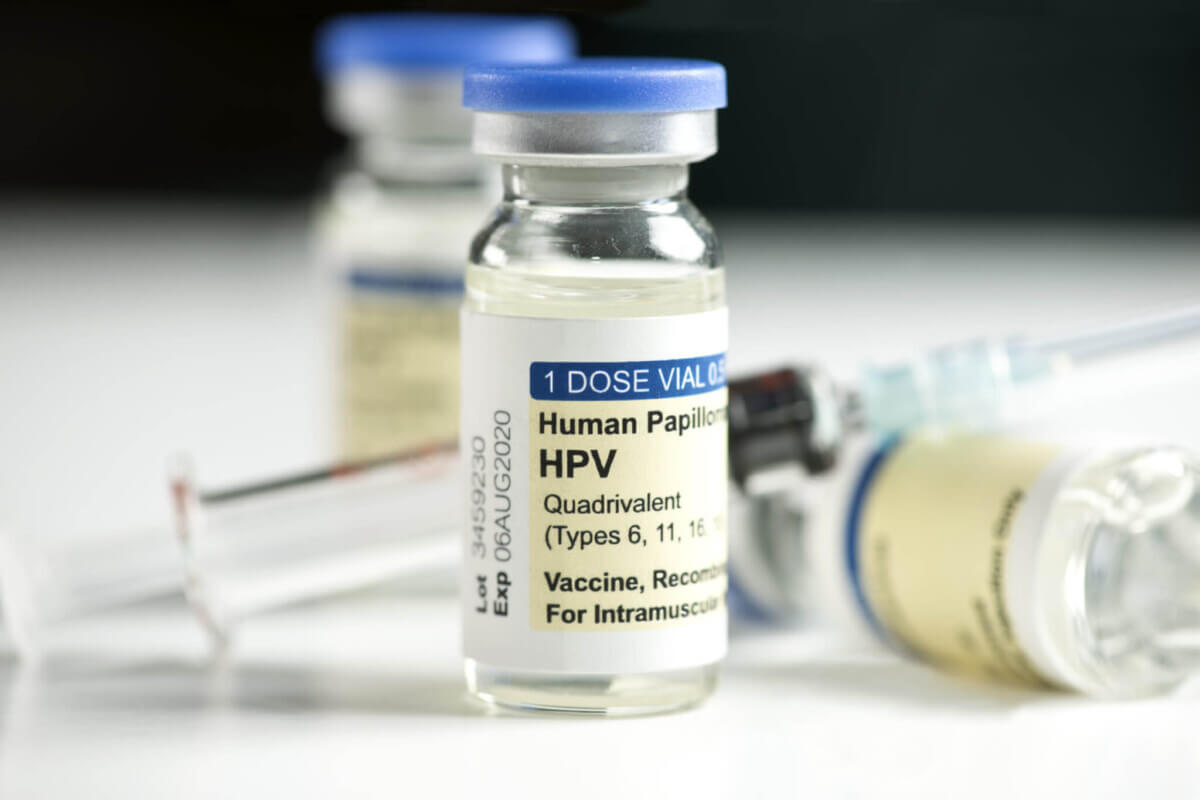
(© Sherry Young - stock.adobe.com)
For decades, when human papillomavirus (HPV) and cancer were mentioned in the same sentence, the first thought people had was cervical cancer. However, a study published in The Oncologist reports that while the incidence of cervical cancer is decreasing, cancers associated with HPV other than cervical are increasing. In fact, there are now more new cases of oropharyngeal (throat) cancer associated with HPV than cervical cancer. Let’s look at the six cancers associated with HPV and what having this condition means for your health.
Understanding HPV
HPV is a group of more than 200 related viruses. Some of these are spread through vaginal, anal, or oral sex. Sexually transmitted HPV types are classified as either high-risk or low-risk for their potential tendency to cause cancer. Two types of high-risk HPV are responsible for most HPV-associated cancers. Low-risk HPV types rarely cause cancer but can cause warts on or around the genitals, anus, mouth, or throat.
HPV infection passes easily between sexual partners. It can be transmitted through any intimate skin-to-skin contact, including vaginal-penile sex, penile-anal sex, penile-oral sex, and vaginal-oral sex. Correctly using condoms can decrease the chance of HPV transmission but does not prevent it completely.
Nearly all sexually active people are infected with HPV within months to a few years of becoming sexually active. About half of these infections are with a high-risk HPV type.
Most HPV infections are cleared by the body’s immune system within a year or two of infection without causing cancer. High-risk HPV infections that are not cleared by the immune system can persist for years. Chronic infection can lead to cell changes and may become precancerous or cancerous.
6 Cancers Associated With HPV
HPV can cause six types of cancer: anal cancer, cervical cancer, oropharyngeal cancer, penile cancer, vaginal cancer, and vulvar cancer.
- Anal cancer: Over 90% of anal cancer is caused by HPV. According to the National Cancer Institute, both new cases and deaths from anal cancer are increasing.
- Cervical cancer: Virtually all cervical cancer is caused by HPV. Routine screening with an HPV test or Pap test can prevent most cervical cancer by allowing healthcare providers to find and remove precancerous cells before they develop into cervical cancer. Cervical cancer is most common in rarely or never-screened women.
- Oropharyngeal cancers (also called throat cancer): This cancer forms in tissues of the oropharynx — the middle part of the throat, behind the mouth. Seven in 10 cases of oropharyngeal cancer is caused by HPV. Oropharyngeal cancer is different than oral cavity cancer, which forms in the mouth. Both are types of head and neck cancer.
- Penile cancer: Most penile cancers are caused by HPV. Penile cancer is a rare form of cancer that usually forms on or under the foreskin.
- Vaginal cancer: Most vaginal cancer is caused by HPV. Vaginal cancer is a rare type of cancer. Being over 60 years of age is one of the main risk factors.
- Vulvar cancer: Most vulvar cancer is caused by HPV. However, it is also a rare cancer, with only an estimated 6,900 new cases in 2024. That’s just 0.3% of all new cancer cases projected to be diagnosed this year.
What to Know About HPV Vaccinations
The HPV vaccine Gardasil 9 protects against infection from nine HPV types, including the seven types that cause most HPV-related cancers and the two low-risk types that cause most genital warts. The HPV vaccine prevents up to 90% of cancers caused by HPV infection and genital warts. It is recommended by the Centers for Disease Control and Prevention’s Advisory Committee on Immunization Practices to prevent new HPV infections and HPV-associated cancers and other diseases.
The HPV vaccine series is recommended for children at the age of 11 or 12, although the series can be started at age nine. It is important for everyone to get vaccinated because anyone, regardless of their gender, can develop HPV-related cancers. Vaccination can also reduce the spread of HPV, which can cause cancer in other people.
In the United States, those who start the vaccine series before age 15 should receive two vaccine doses, and those who receive their first dose at age 15 or older should receive three doses. For young people who were not vaccinated within the age recommendations, HPV vaccination is recommended up to age 26.
The vaccine has FDA approval for people through the age of 45. However, it is not routinely recommended for most people older than 26. People in this age group are unlikely to benefit from the vaccine because they have been exposed to HPV already. If you are concerned that you are at risk for a new HPV infection, talk with your healthcare provider about whether HPV vaccination may be right for you.


