
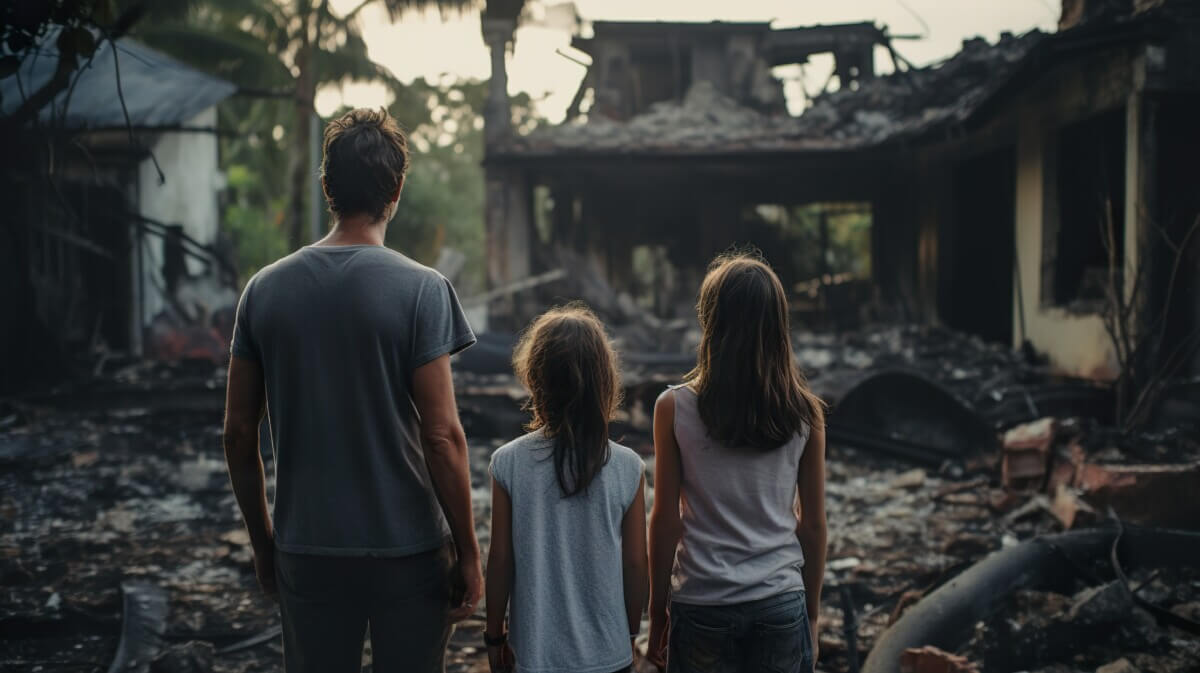
(© goami - stock.adobe.com)
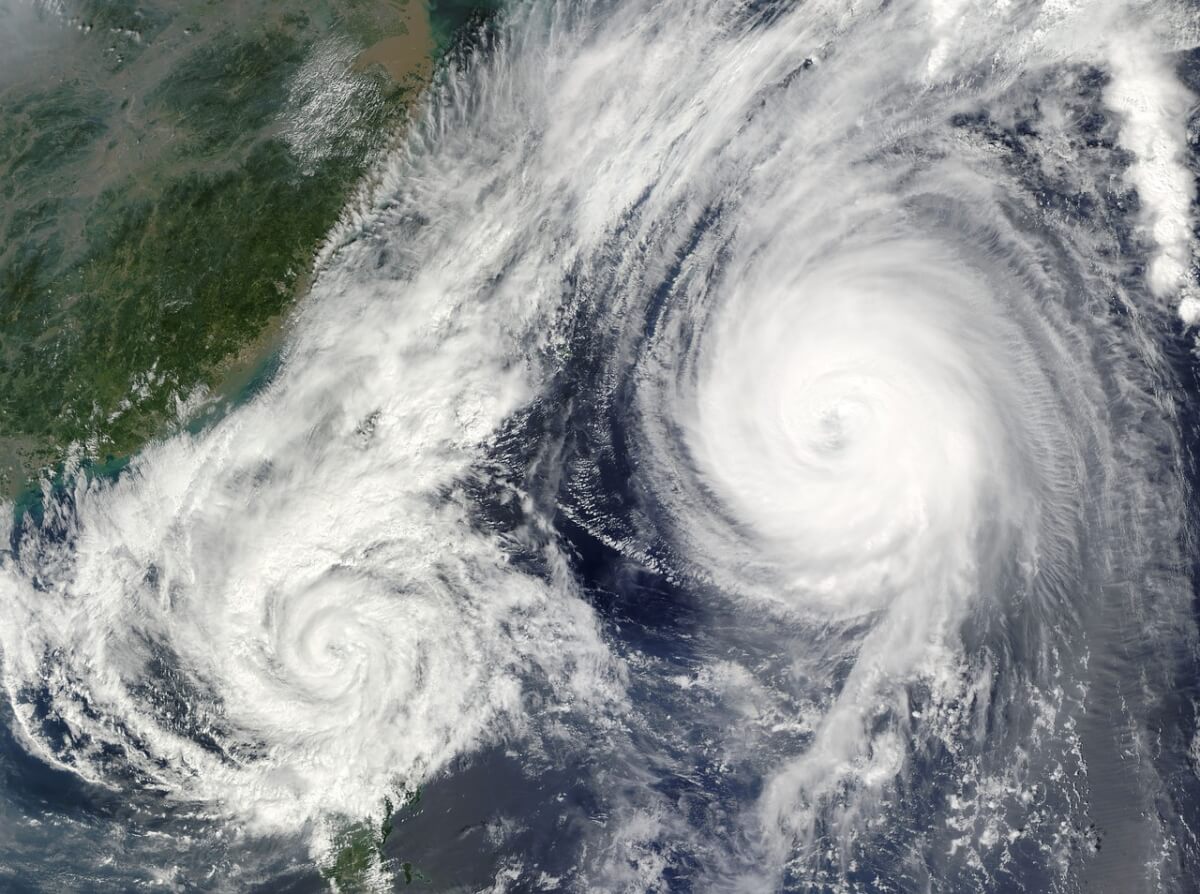
STANFORD, Calif. — Hurricane Helene has left a path of destruction throughout America’s southeastern states, killing over 100 people. However, that number may be just the tip of the iceberg. An alarming new study suggests that the true impact of hurricanes may be far more severe and long-lasting than previously thought.
Researchers from Stanford University have uncovered evidence that hurricanes and tropical storms in the United States cause a surge of deaths for nearly 15 years after the storm passes through. This finding published in the journal Nature challenges our understanding of hurricane-related fatalities and reveals a hidden death toll that dwarfs official estimates.
“In any given month, people are dying earlier than they would have if the storm hadn’t hit their community,” explains Solomon Hsiang, a professor of environmental social sciences at the Stanford Doerr School of Sustainability and senior author of the study, in a media release. “A big storm will hit, and there’s all these cascades of effects where cities are rebuilding or households are displaced or social networks are broken. These cascades have serious consequences for public health.”
The study, led by postdoctoral scholar Rachel Young, analyzed data from 501 tropical cyclones that hit the Atlantic and Gulf coasts from 1930 to 2015. By examining death rates for various populations within each state before and after each cyclone, the researchers made a shocking discovery: an average U.S. tropical cyclone indirectly causes between 7,000 and 11,000 excess deaths over the following 15 years.
To put this into perspective, the researchers estimate that tropical storms since 1930 have contributed to between 3.6 million and 5.2 million deaths in the U.S. This staggering figure surpasses the total deaths from motor vehicle accidents, infectious diseases, or deaths from war-related injuries during the same period. In contrast, government statistics put the “official” death toll from these storms at about 10,000 people.
The study’s findings paint a grim picture of the long-term consequences of hurricanes, revealing that their impact extends far beyond the immediate aftermath. While official statistics typically focus on direct deaths caused by drowning or trauma during the storm, this research shows that the indirect effects on public health are far more widespread and persistent.
Perhaps most alarming is the study’s revelation about the uneven distribution of this hidden health burden. The researchers found that Black individuals are three times more likely to die after a hurricane than white individuals, highlighting significant racial disparities in post-disaster recovery and healthcare access.
The impact on younger generations is equally concerning. The study estimates that 25% of infant deaths and 15% of deaths among people younger than 44 years-old in the U.S. are related to tropical cyclones.
“These are infants born years after a tropical cyclone, so they couldn’t have even experienced the event themselves in utero,” Young points out. “This points to a longer-term economic and maternal health story, where mothers might not have as many resources even years after a disaster than they would have in a world where they never experienced a tropical cyclone.”
What causes this surge in post-hurricane deaths?
The researchers suggest that these delayed deaths may be due to a complex chain of events following a hurricane. For example, individuals might deplete their retirement savings to repair property damage, leaving them less able to afford future healthcare. Family members might move away, weakening vital support networks. Public spending may shift to focus on immediate recovery needs, neglecting long-term health investments.
Interestingly, the study found that the long-term surge in cyclone-related deaths tends to be much higher in places that historically have experienced fewer hurricanes. This suggests that communities less accustomed to extreme weather may be ill-prepared for their long-term health consequences.
As climate change threatens to intensify tropical cyclones and potentially shift their paths, understanding these long-term health impacts becomes crucial. The study’s findings could inform governmental and financial decisions regarding climate change adaptation, coastal resilience, and disaster management.
“With climate change, we expect that tropical cyclones are going to potentially become more hazardous, more damaging, and they’re going to change who they hit,” warns Young.
The researchers are now working to understand why tropical storms and hurricanes cause these deaths over such an extended period. Their goal is to evaluate possible interventions that could mitigate these long-term health impacts.
Paper Summary
Methodology
The researchers aimed to understand how tropical cyclones (TCs), such as hurricanes, affect long-term mortality in the U.S. They collected data on 501 cyclones that occurred between 1930 and 2015. Rather than just counting the deaths during the storms, they tracked how mortality rates in states changed for up to 20 years after a storm hit. They looked for patterns of excess deaths (more than usual) by comparing the time before and after a cyclone in each state, like a natural experiment where states hit by TCs were the “treated” group.
To avoid confusion from overlapping storms, they used a signal-processing method to isolate the impact of each cyclone. They used historical records, including wind speeds and mortality data from the CDC, to calculate how storms increased death rates over time.
Key Results
The study found that tropical cyclones cause more deaths than officially reported. On average, a tropical cyclone caused 7,000 to 11,000 deaths over the years following the storm, compared to the 24 immediate deaths reported by the government. The deaths weren’t just from storm-related accidents like drowning but long-term effects like stress, illness, and lack of healthcare.
Younger people, infants, and Black communities were especially affected. The researchers think that these deaths happen because people might not get the medical care they need or lose financial stability after the storm, which affects their health.
Study Limitations
First, the study doesn’t measure all the possible impacts of a cyclone, such as flooding and storm surges, which could also cause long-term deaths. Second, the researchers only used state-level data, which means they couldn’t track individual health outcomes, and some people may have moved out of state after a cyclone, making the data less precise. Finally, the study relies heavily on estimating how long-term mortality is linked to the storm without being able to directly observe all the complex pathways that lead to these deaths, like economic hardship or healthcare access.
Discussion & Takeaways
This research reveals that the health impact of tropical cyclones is far greater than previously thought, and these storms have long-lasting effects on public health. The most vulnerable groups are infants, young adults, and Black communities, who suffer higher death rates. The findings suggest that governments need to focus not only on immediate storm relief but also on long-term support to affected communities, especially in healthcare and economic recovery. There is also a need to rethink public health policies to address the hidden burden of these natural disasters.
Funding & Disclosures
The research was supported by several institutions, including the National Bureau of Economic Research and major universities such as Stanford and UC Berkeley. The authors have disclosed that they have no competing financial interests that could have influenced the study.


