(© fahrwasser - stock.adobe.com)
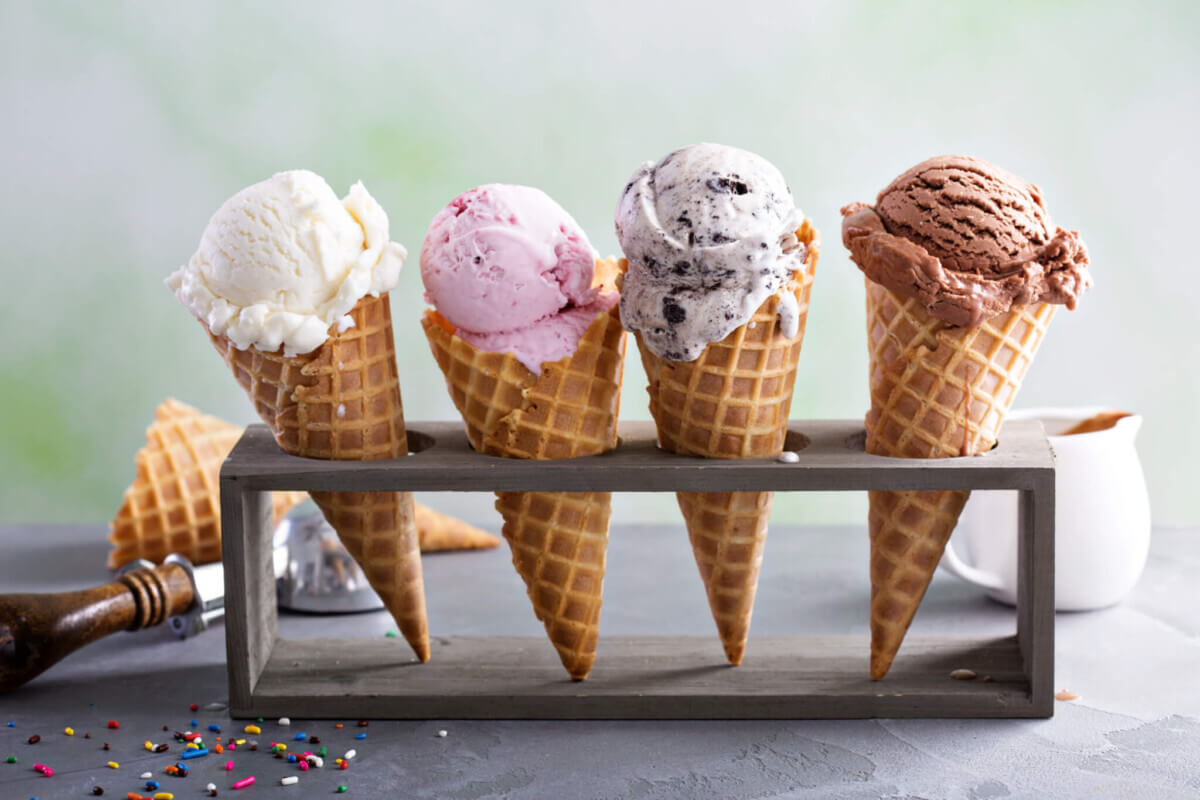
SZCZECIN, Poland — Neigh-sayers beware: the world of ice cream is getting an equine makeover. Scientists have successfully transformed mare’s milk into yogurt and probiotic ice creams, galloping past conventional dairy norms. This innovative approach isn’t just horsing around; it’s a serious attempt to create healthier, more nutritious frozen treats.
Yes, you read that right – milk from horses is making its way into our ice cream bowls, and it’s not just a novelty. Scientists from Poland’s West Pomeranian University of Technology are churning up a new type of dessert. This isn’t just any old frozen treat; it’s a potential game-changer in the world of functional foods – products that offer health benefits beyond basic nutrition.
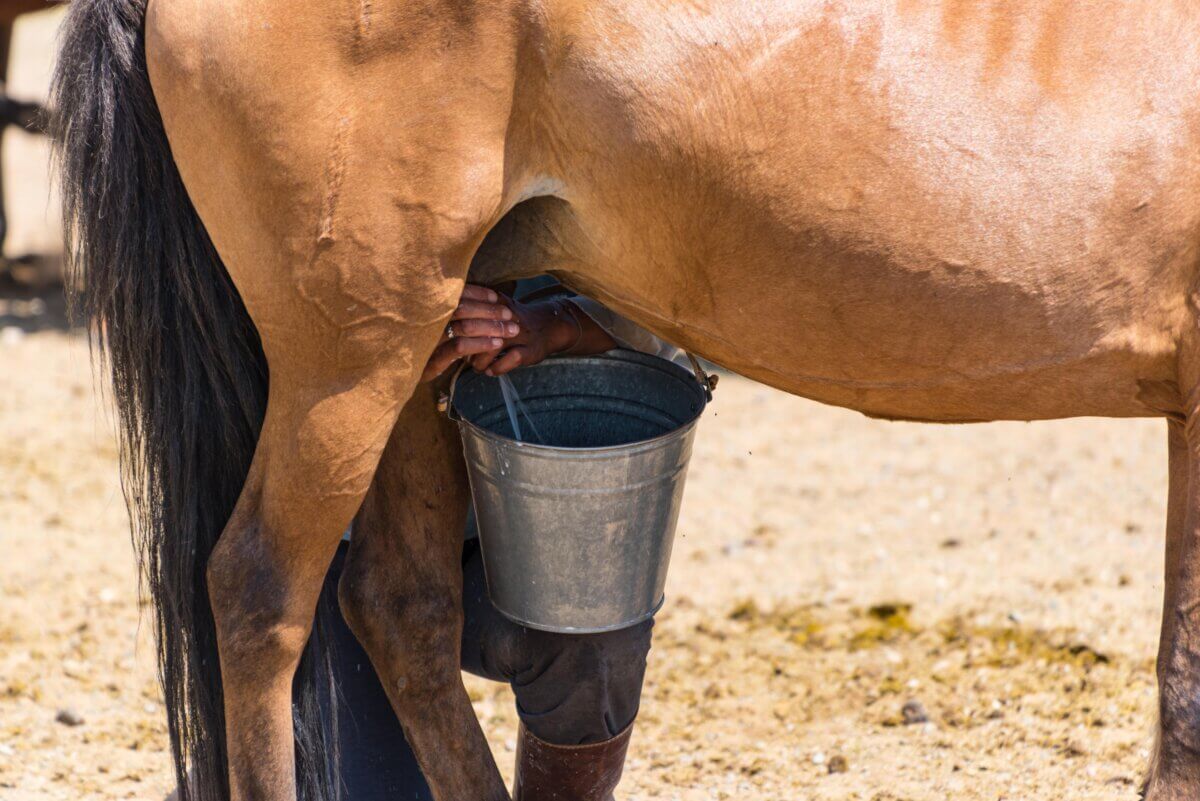
Mare’s milk, it turns out, is something of a superfood. Its composition is surprisingly similar to human milk, making it potentially easier for our bodies to digest and absorb. It’s lower in fat than cow’s milk but rich in vitamins, minerals, and beneficial compounds that could boost our immune systems and gut health. This unique profile makes mare’s milk an intriguing candidate for creating foods that not only taste good but also do good for our bodies.
The researchers didn’t just stop at making regular ice cream. They went a step further by creating yogurt ice cream and what’s known as synbiotic ice cream. Yogurt ice cream, as you might guess, contains the beneficial bacteria found in yogurt. Synbiotic ice cream takes it up another notch by combining these good bacteria (probiotics) with special fibers that feed them (prebiotics). In this case, the scientists used inulin, a type of fiber found in plants like chicory root, as their prebiotic of choice.
But why go to all this trouble? Well, in the world of functional foods, probiotics are superstars. These beneficial bacteria can help improve digestion, boost immunity, and even affect our mood. However, getting enough of these tiny helpers into our diets can be challenging. That’s where ice cream comes in. By using a food that people already love as a vehicle for these health-promoting ingredients, scientists can create a win-win situation: a treat that satisfies both our taste buds and our bodies’ needs.
The team created four different varieties of mare’s milk ice cream: a yogurt ice cream without inulin, a yogurt ice cream with inulin, and two synbiotic ice creams with different probiotic strains and inulin. They then put these frozen concoctions through a battery of tests to see how they measured up in terms of nutrition, texture, taste, and most importantly, whether the beneficial bacteria could survive the freezing process.
The results were promising. Not only did the ice creams maintain a good balance of protein, fat, and total solids, but they also scored high marks in sensory evaluations. In other words, they tasted good! The texture was described as creamy and smooth, with a pleasant, mild flavor that testers enjoyed.
But the real victory came in the bacteria count. In the samples with inulin, the number of beneficial bacteria remained above 7 log CFU/g, which is scientist-speak for “a whole lot of good bacteria.” This is crucial because for probiotics to be effective, they need to arrive in our gut alive and in sufficient numbers. The fact that these bacteria survived the freezing process and remained viable in the ice cream is a significant achievement.
What’s particularly exciting about this research is its potential to introduce mare’s milk to a wider audience. In many Western countries, the idea of drinking horse milk might seem unusual. However, by transforming it into a familiar and beloved form – ice cream – these scientists have created a bridge between traditional dairy and a novel, potentially more healthful alternative.
Of course, this doesn’t mean we’ll see mare’s milk ice cream in every grocery store freezer tomorrow. There are still challenges to overcome, including scaling up production and ensuring a consistent supply of mare’s milk. However, this research opens up new possibilities in the world of functional foods and dairy alternatives.
In a time when many people are looking for foods that do more than just fill them up, mare’s milk ice cream could be galloping towards a sweet spot – a treat that satisfies cravings while also delivering a dose of good health. It’s a reminder that innovation in food science can come from unexpected places, and that sometimes, the path to better nutrition might just lead us through the stable and into the ice cream parlor.
Paper Summary
Methodology
The researchers created four types of mare’s milk ice cream: yogurt ice cream, yogurt ice cream with inulin, and two synbiotic ice creams with different probiotic strains and inulin. They pasteurized the mare’s milk, fermented portions with different bacterial cultures, and then mixed these with fresh mare’s milk, cream, sugar, and in some cases, inulin. The mixtures were frozen in an ice cream machine. The team then conducted various tests on the ice creams, including chemical analysis, texture analysis, color measurement, sensory evaluation, and bacterial count determination.
Results
All ice cream variants had similar protein, fat, and total solids content. The yogurt ice cream without inulin had the highest acidity. All samples had similar overrun (amount of air incorporated) and melting rates. The synbiotic ice creams were harder in texture than the yogurt ice creams. All varieties scored well in sensory evaluations. Importantly, the ice creams with inulin maintained higher counts of beneficial bacteria (above 7 log CFU/g) compared to the sample without inulin (above 6 log CFU/g).
Limitations
The study was conducted on a laboratory scale, so results might differ in large-scale production. The researchers didn’t investigate the ice creams’ shelf life or how the bacterial counts might change over time. The study also didn’t compare these ice creams to conventional cow’s milk ice creams or assess their potential health benefits in human subjects.
Discussion and Takeaways
This study demonstrates that mare’s milk can be successfully used to produce yogurt and synbiotic ice creams. The addition of inulin improved the survival of beneficial bacteria in the ice cream. These products could serve as effective carriers for probiotics, potentially offering health benefits beyond traditional ice cream. The research opens up new possibilities for using mare’s milk in functional foods and could help introduce this alternative milk source to a wider audience.
Funding and Disclosures
The authors received no specific funding for this work and declared no competing interests.


