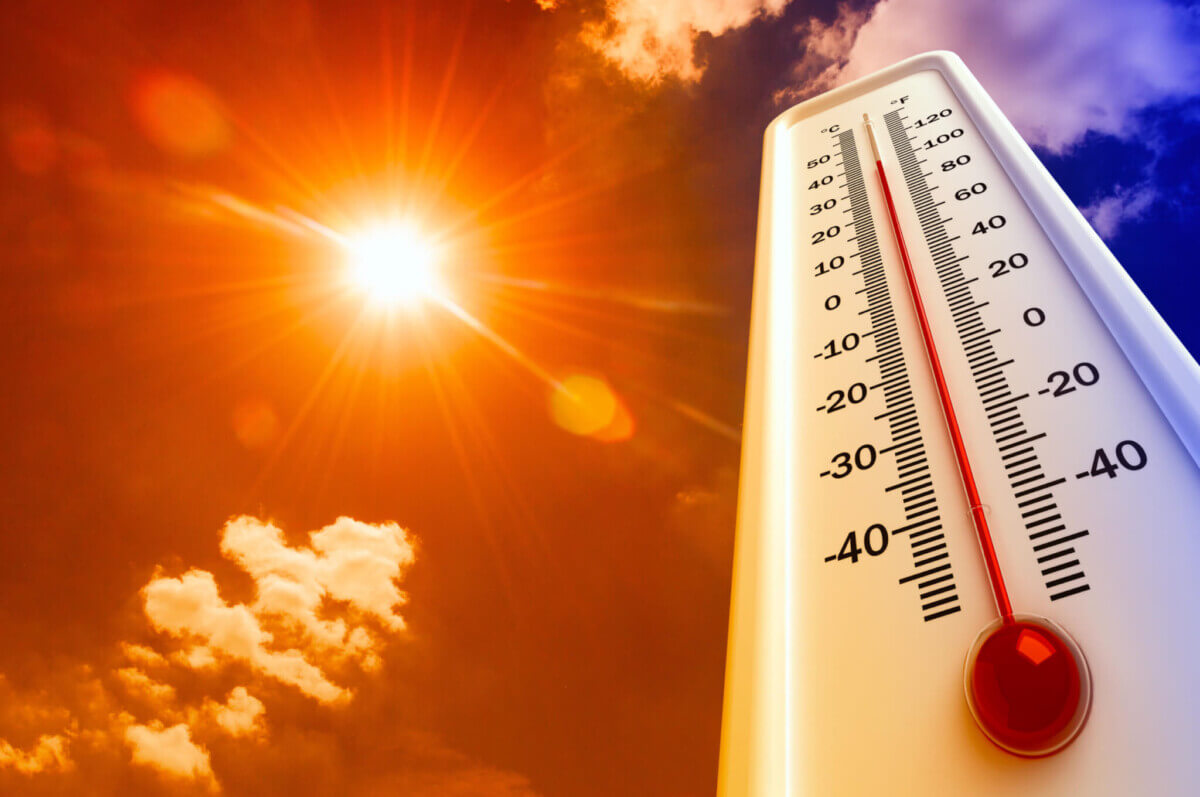
Not only are ocean temperatures breaking records, but air temperatures in many countries as well. (© vladischern - stock.adobe.com)
READING, United Kingdom — The planet just set a brand-new record — and it has climate scientists sounding major alarm bells. According to new climate data, Earth just experienced its hottest day in recent history. On July 22, 2024, the Earth’s daily global average temperature soared to a scorching 17.16°C (62.89°F), according to data from the Copernicus Climate Change Service (C3S). This new record smashed the previous planetary high of 17.09°C (62.76°F). Here’s the problem: that previous record was set the day before (July 21) — meaning Earth just experienced the two hottest days on record!
What does this mean for humanity, and why should we care? Let’s break it down.
First, it’s important to understand what we’re talking about when we say “global average temperature.” Imagine taking the temperature at every point on Earth’s surface – from the scorching Sahara to the frigid Antarctic – and then averaging all those readings together. That’s essentially what scientists do to calculate this figure.
The new record is part of a worrying trend. Before July 2023, the highest daily global average temperature was 16.8°C (62.24°F), recorded on Aug. 13, 2016. Since then, we’ve seen this record broken a whopping 59 times in just over a year!
“What is truly staggering is how large the difference is between the temperature of the last 13 months and the previous temperature records. We are now in truly uncharted territory and as the climate keeps warming, we are bound to see new records being broken in future months and years,” says Carlo Buontempo, the Director of C3S, in a media release.
????️ New daily global average temperature record.
— Copernicus ECMWF (@CopernicusECMWF) July 24, 2024
As anticipated, the #CopernicusClimate ERA5 preliminary data show that Monday 22 July was the warmest day in recent history, at 17.15°C, breaking the records from 21 July 24 and 6 July 23.
Read more: https://t.co/FCDXtIadxn pic.twitter.com/WxfcjXF8hl
So, what’s causing this dramatic spike in temperatures?
The researchers say several factors are at play. First, it’s important to note that global temperatures typically peak between late June and early August. This coincides with summer in the Northern Hemisphere, where most of Earth’s land mass is located. Land heats up faster than water, so the large continents in the north drive up the global average during this time.
This year, however, there’s more to the story. Scientists observed unusually high temperatures over large parts of Antarctica. While this might seem counterintuitive (since Antarctica is supposed to be cold), temperature spikes like this aren’t uncommon during the Antarctic winter. These warm anomalies significantly contributed to the record-breaking global temperatures.
Adding fuel to this global fire, Antarctic sea ice is nearly as low as it was this time last year. With less ice reflecting sunlight back into space, more heat is absorbed by the Southern Ocean, driving up temperatures even further.
The bigger picture here is clear: humanity is witnessing the effects of global warming in real time. It’s no coincidence that the 10 years with the highest annual maximum daily average temperatures just happen to be the last 10 years of human history — from 2015 to 2024. Simply put, it’s no longer a coincidence — it’s a trend.
#Wildfire smoke and #Saharandust across the North Atlantic.
— Copernicus ECMWF (@CopernicusECMWF) July 24, 2024
The #CopernicusAtmosphere 5-day total aerosol optical depth forecast from 24 July shows very high values in the Northern and Southern Hemispheres.
See the global forecast ????https://t.co/EsiRkWcuMG pic.twitter.com/fhOgCe3P2u
What does this mean for the future?
While researchers believe it’s too early to say definitively, 2024 is shaping up to be warmer than 2023, which was already a record-breaking year. However, the final outcome will depend on various factors, including the development of El Niño and La Niña weather patterns.
Buontempo cautions that while we may see slightly lower temperatures in the coming days, the overall warming trend is clear.
“The event is still ongoing and it is possible the date of the peak may still change, but our data suggest we may see slightly lower temperatures in the next few days,” Buontempo says.
These record-breaking temperatures aren’t just numbers on a chart; they have real-world implications. Higher global temperatures can lead to more frequent and intense heat waves, droughts, and extreme weather events. They can affect agriculture, wildlife, and human health. Rising temperatures also contribute to sea level rise as polar ice melts, threatening coastal communities worldwide.
As we navigate this “uncharted territory,” as Buontempo puts it, it’s clear that addressing climate change is more urgent than ever. While the numbers may seem abstract, the impacts are anything but. Climate scientists warn that the Earth is sending us a clear message with these record-breaking temperatures. The question is: how will we respond?


