
(Photo by Gv Image-1 on Shutterstock)
In a Nutshell
- Scientists fermented stevia leaf extract with Lactobacillus plantarum, producing a new compound called CAME.
- In lab tests, this compound killed pancreatic cancer cells while leaving healthy cells largely unharmed.
- The fermented extract also showed stronger antioxidant activity and better protection against oxidative stress.
- Though promising, the research is still at the cell culture stage and hasn’t yet been tested in animals or humans.
HIROSHIMA, Japan — Cancer researchers have discovered something remarkable hiding in plain sight: a common bacteria used to make sauerkraut and kimchi can transform stevia leaves into a potentially potent weapon against one of the deadliest cancers.
Scientists at Hiroshima University found that when they fermented stevia leaf extract with Lactobacillus plantarum — the same bacteria used in yogurt and fermented vegetables — it created a compound that proved devastatingly effective against pancreatic cancer cells. The fermented extract triggered a cascade of cellular suicide in lab-grown cancer cells while leaving healthy cells largely unharmed.
Pancreatic cancer remains one of medicine’s most stubborn opponents, with a five-year survival rate of less than 10%. Most patients receive their diagnosis when the disease has already spread, making treatment options limited and often ineffective. Traditional therapies like chemotherapy and radiation frequently fail against this aggressive cancer.
How Fermentation Creates New Cancer-Fighting Compound
During fermentation, the bacteria essentially rewrites the chemical structure of compounds found naturally in stevia leaves, creating an entirely new molecule called chlorogenic acid methyl ester, or CAME. This compound proved far more lethal to cancer cells than anything found in unfermented stevia extract.
Researchers, led by Dr. Masanori Sugiyama, spent months optimizing the fermentation process. They tested different temperatures, time periods, and oxygen levels before settling on the most effective combination: 37 degrees Celsius (about body temperature) for 72 hours in an oxygen-free environment.
When they tested both regular stevia extract and the fermented version against PANC-1 pancreatic cancer cells — a standard cell line used in cancer research — the results were remarkable. The fermented extract required significantly lower concentrations to kill cancer cells. It killed half the cancer cells at 271.2 micrograms per milliliter after 48 hours, while regular stevia extract needed 331.3 micrograms per milliliter to achieve the same effect.
CAME proved even more potent when tested alone. At 119.1 micrograms per milliliter, it killed half the pancreatic cancer cells in 48 hours — nearly 40% more effective than regular chlorogenic acid, which required 189.6 micrograms per milliliter.

Cancer Cell Death Mechanism Revealed Through Laboratory Testing
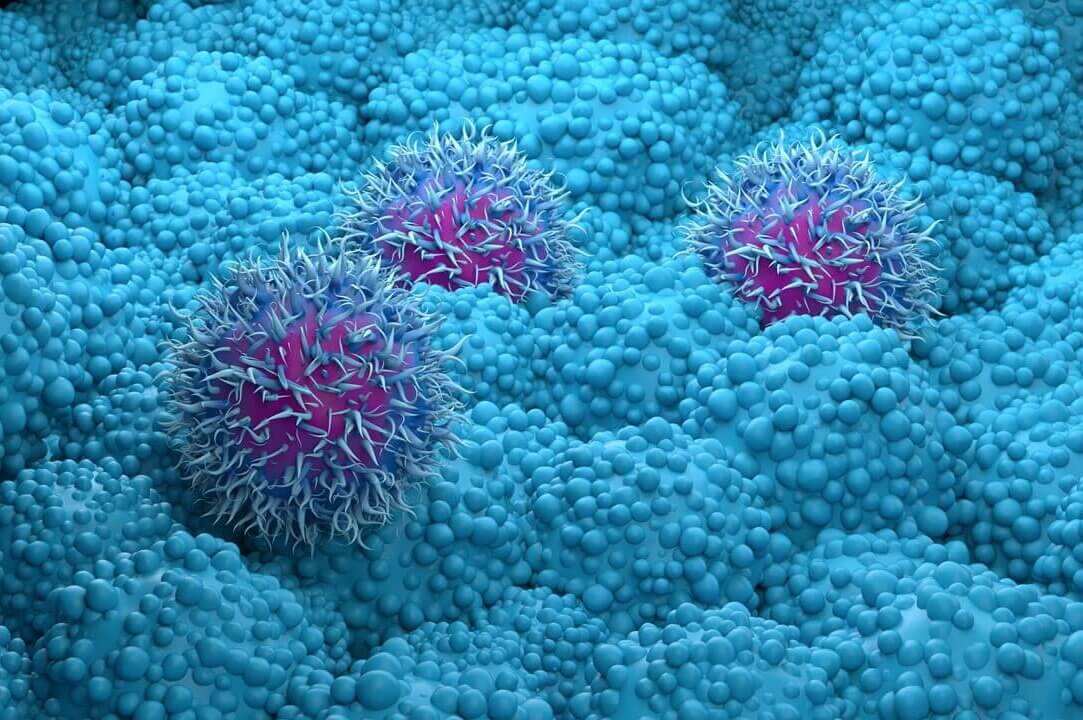
The compound triggers a specific type of cellular death called apoptosis — essentially cellular suicide where damaged cells systematically dismantle themselves. Cancer cells typically resist this process, allowing them to grow uncontrollably. CAME appears to override this resistance by manipulating the molecular switches that control cell death.
Using flow cytometry, a technique that analyzes individual cells, researchers discovered that CAME significantly increased production of proteins that promote cell death while simultaneously reducing production of Bcl-2, a protein that helps cells survive.
CAME also arrested cancer cells in a specific phase of their growth cycle called G0/G1, essentially freezing them in place before they could divide and multiply. The percentage of cancer cells undergoing apoptosis increased from 4.4% to 21.4% after 48 hours of CAME treatment.
In wound-healing tests that mimic how cancer spreads through tissue, the fermented extract significantly slowed cancer cell migration compared to untreated cells — crucial since pancreatic cancer’s tendency to spread makes it so deadly.
Safety Testing Shows Promise for Future Cancer Treatment
Perhaps most encouraging, the fermented stevia extract showed minimal toxicity toward healthy cells. When researchers tested it against HEK-293 cells — a non-cancerous human kidney cell line often used to assess safety — they found little to no harmful effects even at high concentrations.
This selective toxicity represents a holy grail in cancer research. Many current cancer treatments damage healthy cells along with cancerous ones, causing the debilitating side effects associated with chemotherapy and radiation. A treatment that specifically targets cancer cells while sparing healthy tissue could revolutionize cancer care.
The fermentation process also dramatically enhanced stevia’s antioxidant properties. Antioxidants help protect cells from damage caused by reactive molecules called free radicals, which contribute to aging and disease development. When researchers exposed healthy cells to hydrogen peroxide — a compound that causes oxidative damage — pretreatment with fermented stevia extract provided significantly better protection than regular stevia extract.
Next Steps Before Human Clinical Trials Begin
While these results are promising, significant work remains before fermented stevia extract could become a cancer treatment. The current research, published in the International Journal of Molecular Sciences, used laboratory-grown cancer cells, which don’t perfectly replicate the complex environment of tumors in living patients.
Animal studies would be the logical next step, followed by carefully designed human clinical trials if those results prove encouraging. Researchers would need to determine optimal dosing, delivery methods, and potential side effects. They’d also need to establish whether the treatment works against actual tumors and whether it can be safely combined with existing therapies.
Manufacturing considerations include ensuring consistent fermentation conditions, standardizing the bacterial cultures, and developing quality control measures to guarantee each batch contains therapeutic levels of CAME. Regulatory agencies would also need to evaluate the safety and efficacy of this novel approach.
The discovery that kitchen bacteria can transform a common sweetener into a potent cancer fighter illustrates how breakthrough treatments might emerge from unexpected sources, offering new hope in humanity’s ongoing battle against one of its most formidable diseases.
Paper Summary
Methodology
Researchers from Hiroshima University fermented stevia leaf extract using Lactobacillus plantarum SN13T bacteria under controlled conditions. They optimized fermentation parameters including temperature (28°C vs 37°C), time periods (24, 48, and 72 hours), and oxygen levels (aerobic vs anaerobic). The team tested the resulting fermented extract against PANC-1 pancreatic cancer cells and HEK-293 non-cancerous kidney cells using MTT viability assays. They used HPLC chromatography combined with mass spectrometry and nuclear magnetic resonance to identify active compounds. Additional experiments included flow cytometry for cell cycle and apoptosis analysis, wound healing assays for migration studies, and gene expression analysis using quantitative PCR.
Results
Fermented stevia leaf extract (FSLE) showed significantly enhanced anticancer activity compared to unfermented extract, with IC50 values of 271.2 μg/mL versus 331.3 μg/mL against PANC-1 cells after 48 hours. The key active compound was identified as chlorogenic acid methyl ester (CAME) at 374.4 μg/mL concentration, which had an IC50 of 119.1 μg/mL compared to 189.6 μg/mL for regular chlorogenic acid. CAME arrested cancer cells in G0/G1 phase and increased apoptosis from 4.4% to 21.4% after 48 hours. The fermented extract also demonstrated superior antioxidant activity in DPPH and ABTS radical scavenging assays and better protected cells from hydrogen peroxide-induced oxidative damage.
Limitations
This study was conducted entirely using laboratory-grown cell lines and did not involve animal models or human subjects. The research focused on a single pancreatic cancer cell line (PANC-1) and one non-cancerous control (HEK-293), limiting broader applicability. The study did not address potential toxicity in complex biological systems, drug interactions, or long-term effects. Manufacturing scalability, standardization of fermentation processes, and regulatory considerations for clinical translation were not evaluated.
Funding and Disclosures
The authors declared no external funding sources for this research. All authors declared no conflicts of interest. The study was conducted at Hiroshima University’s Department of Probiotic Science for Preventive Medicine and Department of General Internal Medicine.
Publication Information
This research was published in the International Journal of Molecular Sciences, volume 26, article number 4186. The paper was received on March 26, 2025, revised on April 24, 2025, accepted on April 24, 2025, and published on April 28, 2025. The study was conducted by Zhang et al. at Hiroshima University in Japan.


I drink stevia all day, in green tea, like most people drink water. I also eat yogurt daily, and I can only guess I have a healthy anaerobic gut biota.
I wonder if that is providing me any cancer protection?