
Knee braces, water therapy, and exercise are the most beneficial non-drug therapies, per meta-analysis of more than 100 clinical trials involving nearly 10,000 people. (PeopleImages.com - Yuri A/Shutterstock)
In a nutshell
- Knee braces ranked as the most effective treatment overall for reducing pain, improving joint function, and easing stiffness in people with knee osteoarthritis, according to a large network meta-analysis of nearly 10,000 patients.
- Hydrotherapy (water-based exercise) and traditional exercise programs also showed strong benefits, particularly for pain at rest and improving mobility, but fell just behind knee braces in overall effectiveness.
- Commonly used treatments like ultrasound therapy and lateral wedge insoles performed poorly, raising questions about the value of more expensive or widely recommended therapies that lack strong supporting evidence.
NEIJIANG, China — Doctors often recommend expensive ultrasound sessions and extensive exercise regimens for treating knee problems. But it turns out that these high-tech therapies actually perform worse than basic knee braces. A new study ranked 12 arthritis treatments to figure out what exactly is worth patient dollars when treating knee osteoarthritis.
The research, published in PLOS One, analyzed data from nearly 10,000 patients and found that knee braces consistently outperformed other treatments across multiple measures of pain and function, while popular therapies like ultrasound ranked among the worst options available.
About 32 million Americans are dealing with knee osteoarthritis, a condition where cartilage breaks down and causes pain, stiffness, and reduced mobility. More than 10% of people over 60 struggle with this form of arthritis, making it one of the most common causes of disability in older adults.
Chinese researchers from the First People’s Hospital of Neijiang examined treatments including low-level laser therapy, high-intensity laser therapy, electrical nerve stimulation, ultrasound therapy, wedged shoe insoles, knee braces, exercise programs, water-based therapy, kinesio taping, and shock wave therapy. They measured effectiveness using standardized pain and function scores that are widely recognized in medical research.
Why Knee Braces Work Best

The 139 studies the researchers examined included 9,644 patients with mild to moderate knee osteoarthritis. Knee braces topped the rankings for pain relief and functional improvement, which surprised many experts who have long championed exercise as the best non-drug treatment. But the science behind braces makes sense when you understand how they work.
According to the researchers, knee braces improve how forces move through the knee joint, redistribute weight to reduce stress on damaged cartilage, and enhance joint stability by limiting harmful movements. They also help improve your body’s awareness of joint position and movement, which can reduce injury risk.
A good knee brace acts like a mechanical helper that takes pressure off the painful parts of your joint while you move. It’s similar to how a supportive insole can relieve foot pain, by changing how forces travel through your body.
Is Water Therapy Effective?
Hydrotherapy, or water-based exercise, ranked first for relieving pain at rest, outperforming all other treatments in that category. It also showed strong benefits across other measures, including the total WOMAC score, which reflects a combination of pain, stiffness, and function.
In the supportive environment of a warm pool, the buoyancy reduces joint stress while the warmth improves blood flow and muscle relaxation. This acts as a gentler alternative for those who find traditional workouts too painful. Swimming pools essentially allow people to exercise with less pain because the water supports their body weight.
Exercise Still Matters
Traditional exercise programs ranked third overall and showed strong benefits for improving function and reducing stiffness. However, the type of exercise matters significantly.
Previous research has shown that aerobic exercises and mind-body practices like yoga provide the most significant benefits for pain and function, while pure strengthening exercises are somewhat less effective. Programs that try to combine too many different types of exercise showed the least benefit.
Exercise is still effective for knee arthritis management, but it might not be the single best option for everyone. Combining exercise with other treatments, like braces or water therapy, could provide even better results.
Popular Treatments That Disappointed
Several commonly prescribed treatments performed worse than expected. Ultrasound therapy, despite being widely used in physical therapy clinics, consistently ranked among the least effective treatments across all measures.
Lateral wedge insoles, designed to shift weight away from damaged parts of the knee, also showed limited benefits. These special shoe inserts may not provide enough change in knee stress to meaningfully reduce pain.
High-tech treatments like laser therapy fell somewhere in the middle of the pack. While high-intensity laser therapy performed better than low-level laser therapy, neither matched the effectiveness of simpler treatments like braces or water exercise.
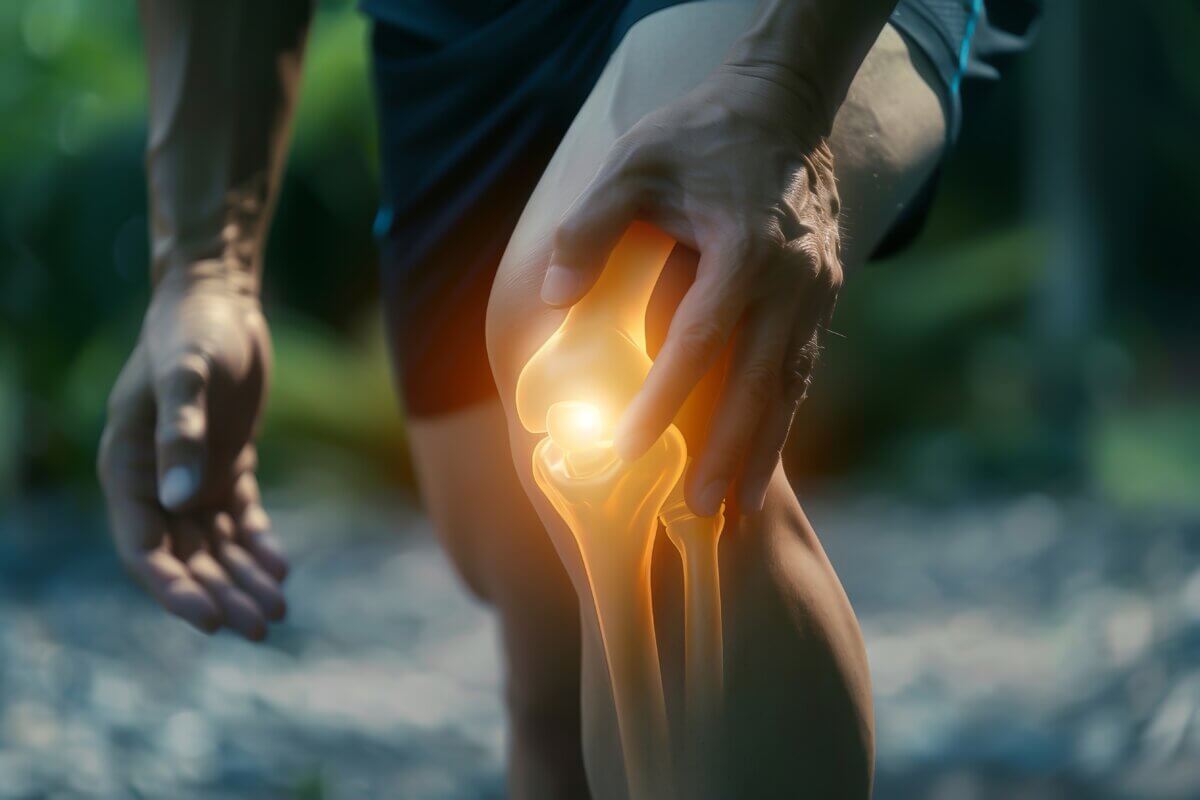
Rather than automatically starting with exercise programs, patients and doctors should consider individual factors like pain severity, activity level, and personal preferences.
Someone with severe pain might benefit most from starting with a knee brace to reduce symptoms before progressing to exercise. Those who enjoy swimming or have access to therapeutic pools might find water-based programs more effective and enjoyable than traditional gym workouts.
It is also important that patients receive proper knee brace selection and fitting. Working with a healthcare provider to find the right type and fit is crucial for getting optimal benefits.
Many patients pay hundreds of dollars for ultrasound treatments or specialized exercise programs, while basic knee braces can cost significantly less and provide better results.
Insurance coverage varies widely for different treatments, but the evidence suggests that covering effective options like properly fitted knee braces and access to therapeutic pools could provide better value than some currently popular approaches.
While exercise remains important for overall health and joint function, knee braces and water therapy deserve more prominent roles in treatment plans. For the millions of Americans whose daily activities are limited by knee pain, there is hope for more effective relief through readily available, non-invasive treatments.
Paper Summary
Methodology
Researchers conducted a network meta-analysis, a sophisticated statistical method that allows comparison of multiple treatments simultaneously. They searched major medical databases from inception through December 2023, identifying randomized controlled trials that compared physical therapy treatments for knee osteoarthritis. The final analysis included 139 studies with 9,644 patients aged 18 and older who had mild to moderate knee osteoarthritis. Studies had to compare at least two of 12 specified treatments and measure outcomes using standardized scales like WOMAC (Western Ontario and McMaster Universities Osteoarthritis Index) and VAS (Visual Analog Scale) pain scores. Two researchers independently screened studies and extracted data to ensure accuracy.
Results
Knee braces consistently ranked highest across multiple outcome measures, showing the greatest probability of reducing pain and improving function. For pain relief specifically, hydrotherapy (water-based therapy) ranked first, followed by high-intensity laser therapy and low-level laser therapy. Exercise ranked third overall but showed strong benefits for function improvement. Ultrasound therapy performed worst across most measures, while lateral wedge insoles and some electrical stimulation treatments showed limited effectiveness. The analysis used SUCRA (Surface Under the Cumulative Ranking Curve) values to rank treatments, with knee braces achieving the highest overall probability of being the most effective intervention.
Limitations
The study acknowledges several important limitations. Treatment duration varied significantly across studies, introducing heterogeneity in the data. Most included studies had relatively small sample sizes and varying gender distributions. While WOMAC and VAS scores were widely used, other assessment metrics varied between studies, limiting some comparisons. The methodology and quality of included studies varied, particularly regarding randomization and blinding procedures. The analysis included only English-language publications, potentially introducing language bias. Follow-up periods were generally short, making long-term effectiveness difficult to assess.
Funding and Disclosures
The authors received no specific funding for this work and declared no competing interests. The study was conducted by researchers from the Department of Orthopedics and Department of Rehabilitation at the First People’s Hospital of Neijiang in China. The research followed PRISMA 2020 guidelines for systematic reviews and was registered on the PROSPERO database.
Publication Information
The paper “Clinical efficacy of different therapeutic options for knee osteoarthritis: A network meta-analysis based on randomized clinical trials” was published in PLOS One (20(6): e0324864) on June 18, 2025. It is authored by Chen X, Fan Y, Tu H, Luo Y. The study is available as open access under Creative Commons Attribution License, which permits unrestricted use and distribution.


Please suggest the best knee braces.