
(Photo by Jopwell from Pexels)
POUGHKEEPSIE, N.Y. — Words aren’t just tools for communication – they’re architects of how we think, feel, and act, according to new research. The study reveals that even subtle changes in how we frame our messages can dramatically influence people’s perceptions and responses.
Consider cancer treatment discussions: when doctors and patients talk about “battling” cancer versus embarking on a “cancer journey,” it doesn’t just change the conversation – it transforms how people view their prognosis. Research shows that people who encounter battle-themed language tend to view cancer as more deadly than those who hear it described as a journey.
“The focus on linguistic control in popular media may reflect a deeper concern—and fascination—with the force of language in our daily lives,” explains lead researcher Stephen Flusberg of Vassar College and his colleagues in a media release. “We routinely use words to try to influence what other people are thinking, feeling, and doing.”
The research team, which published their work in the journal Psychological Science in the Public Interest, conducted an extensive review of framing effects – the way language choices influence how people interpret information. Their work demonstrates that these effects aren’t just academic curiosities – they have real-world impacts across politics, healthcare, education, and everyday life.
Think of framing as choosing which lens to view reality through. Just as a photograph looks different depending on how it’s framed, information takes on different meanings based on the words used to present it. When discussing climate change, for instance, using war metaphors (“fighting climate change,” “battling rising temperatures”) creates a greater sense of urgency than more neutral language.
“Metaphors are especially effective for shaping beliefs about abstract and complex issues like cancer because they leverage what you know—your cognitive frames—about more concrete, familiar domains like battles and journeys,” the researchers explain.
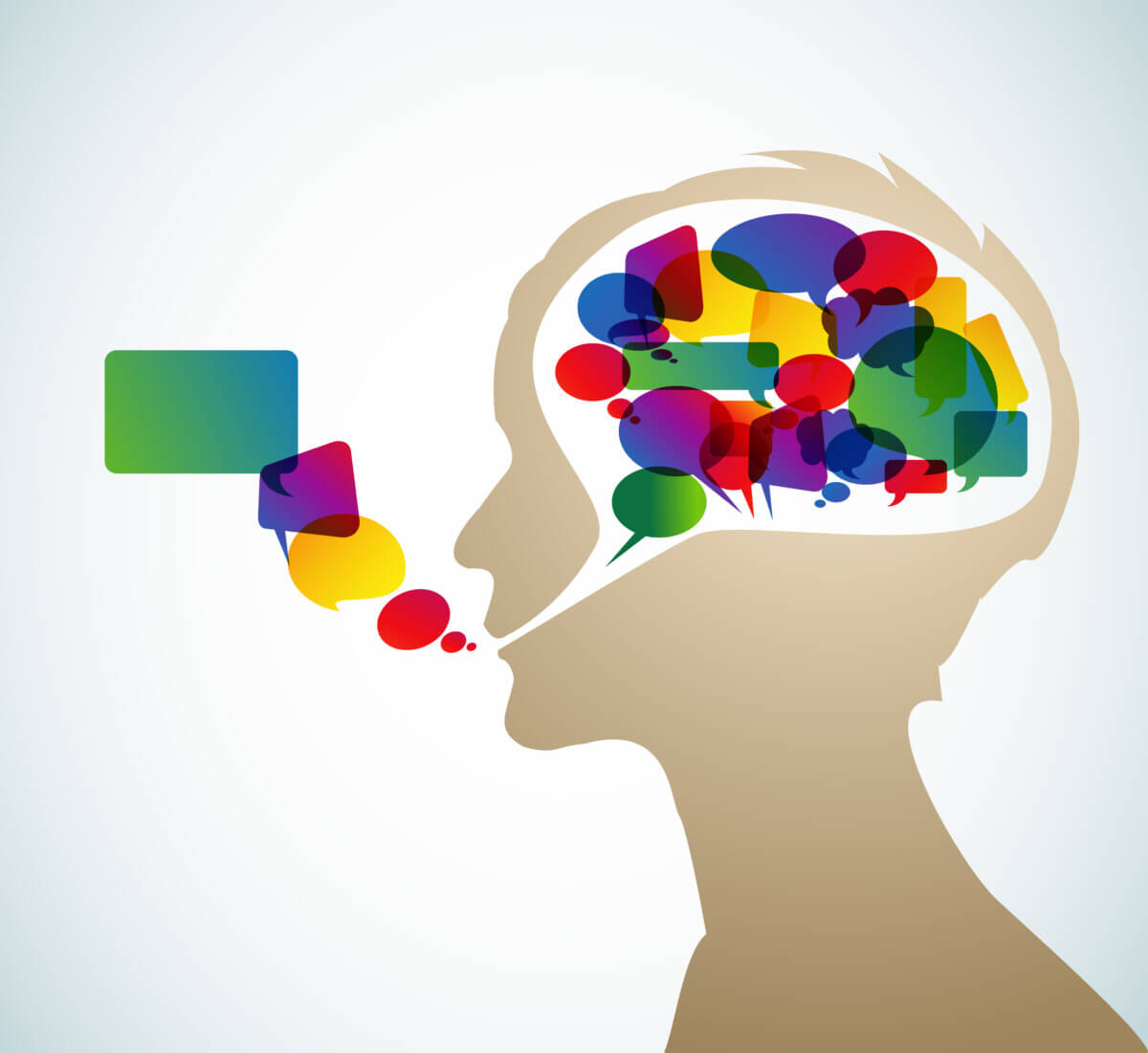
The implications of this research extend far beyond the laboratory. In a companion commentary, James Walsh from The Agency Fund emphasizes how our understanding of framing has evolved over the past century.
“Flusberg et al. show that we have come a long way in our understanding of frames in the last 100 years,” Walsh notes, adding that “the coming 100 years promises to be even more exciting.”
“A deeper understanding of the psychology of framing can enhance not only our communication skills and ability to navigate our linguistic environments, but also our prospects for getting things done,” the researchers write.
Their message is clear: the words we choose matter more than we might think. Whether we’re discussing personal health, social issues, or daily challenges, our language choices don’t just describe reality – they help create it.
The researchers emphasize that being mindful of both “the words and phrases we use ourselves and the ones that grab our attention or generate a strong emotional response” is crucial for navigating our increasingly complex communication landscape.
This isn’t just about choosing better words – it’s about understanding how language fundamentally shapes our perception of reality and our responses to life’s challenges. In an age of information overload and competing narratives, this research suggests that paying attention to how messages are framed might be more important than ever.
Paper Summary
Methodology
The study utilized a mixed-method approach combining quantitative surveys with qualitative interviews to explore how everyday language influences our perceptions and behaviors. Participants were selected across diverse demographics to ensure a wide range of linguistic backgrounds and experiences were included. The researchers employed various linguistic framing techniques to examine the impact of specific words and phrasing on participants’ reactions to different scenarios presented both verbally and in written form.
Key Results
The findings revealed that subtle changes in language can significantly alter people’s perceptions. For instance, describing an incident as a “challenge” rather than a “problem” led to more positive emotional responses and proactive attitudes. This effect was consistent across different age groups and cultural backgrounds, suggesting a universal aspect to the power of linguistic framing.
Study Limitations
The diversity of the participant pool, although broad, did not cover all possible linguistic backgrounds, which might affect the generalizability of the results to non-represented populations. Additionally, the scenarios used were hypothetical and may not fully capture the complexities of real-life situations where multiple linguistic cues and environmental factors play a role.
Discussion & Takeaways
This research underscores the profound impact of language on thought and action. It suggests that by consciously reframing our language, we can potentially steer conversations and actions toward more positive outcomes. For policymakers, educators, and communicators, these findings highlight the importance of choosing words carefully to shape discussions in constructive ways.
Funding & Disclosures
The study was funded by grants from several academic institutions and linguistic research foundations, which were disclosed to ensure transparency. The researchers declared no conflicts of interest, indicating that their findings were conducted impartially and guided solely by scientific inquiry.


