(© De Visu - stock.adobe.com)
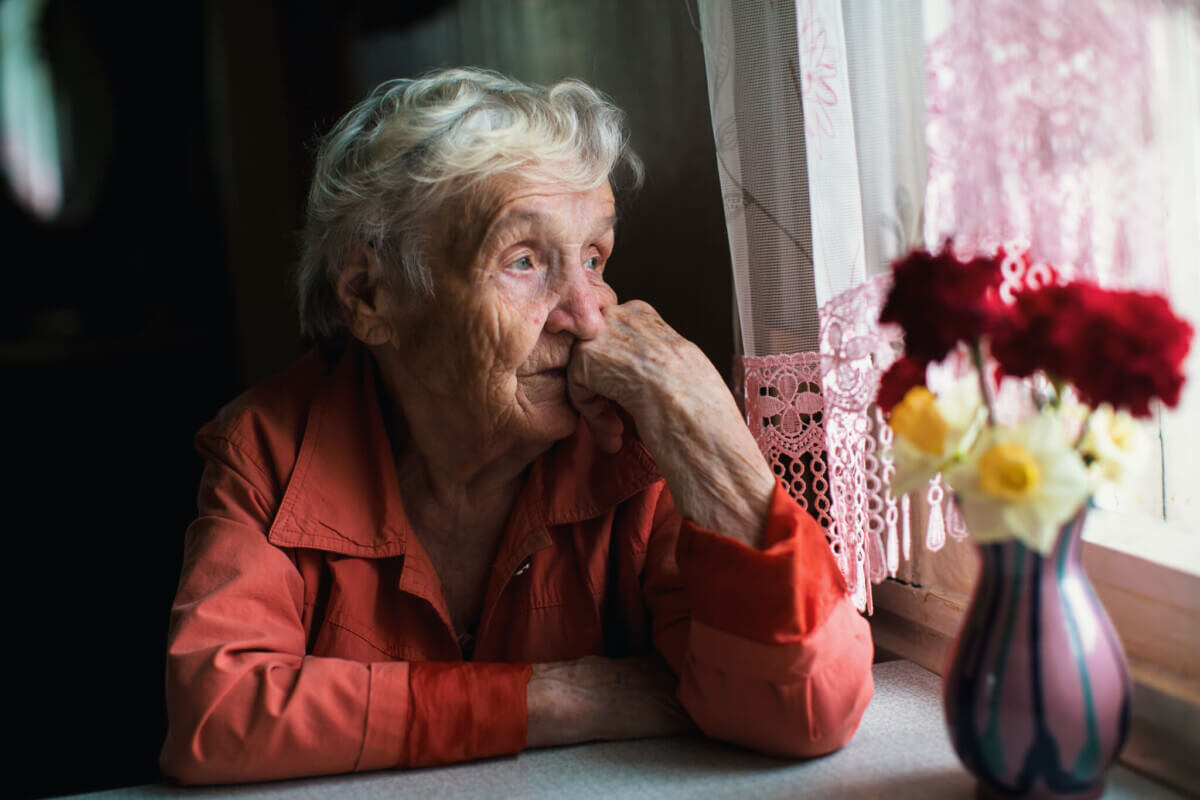
TALLAHASSEE, Fla. — The largest study of its kind has discovered a troubling link between loneliness and dementia. Researchers at Florida State University found that people who experience feelings of loneliness are over 30% more likely to develop dementia than those who don’t.
The research, published in Nature Mental Health, analyzed data from more than 600,000 individuals worldwide, combining results from 21 long-term studies to paint a comprehensive picture of how social isolation affects our cognitive health.
“These results are not surprising, given the mounting evidence that link loneliness to poor health,” says Assistant Professor Martina Luchetti, who led the study, in a university release.
Her team’s work takes on special significance in the aftermath of the COVID-19 pandemic, which forced both the World Health Organization and U.S. Surgeon General to declare loneliness a public health crisis.
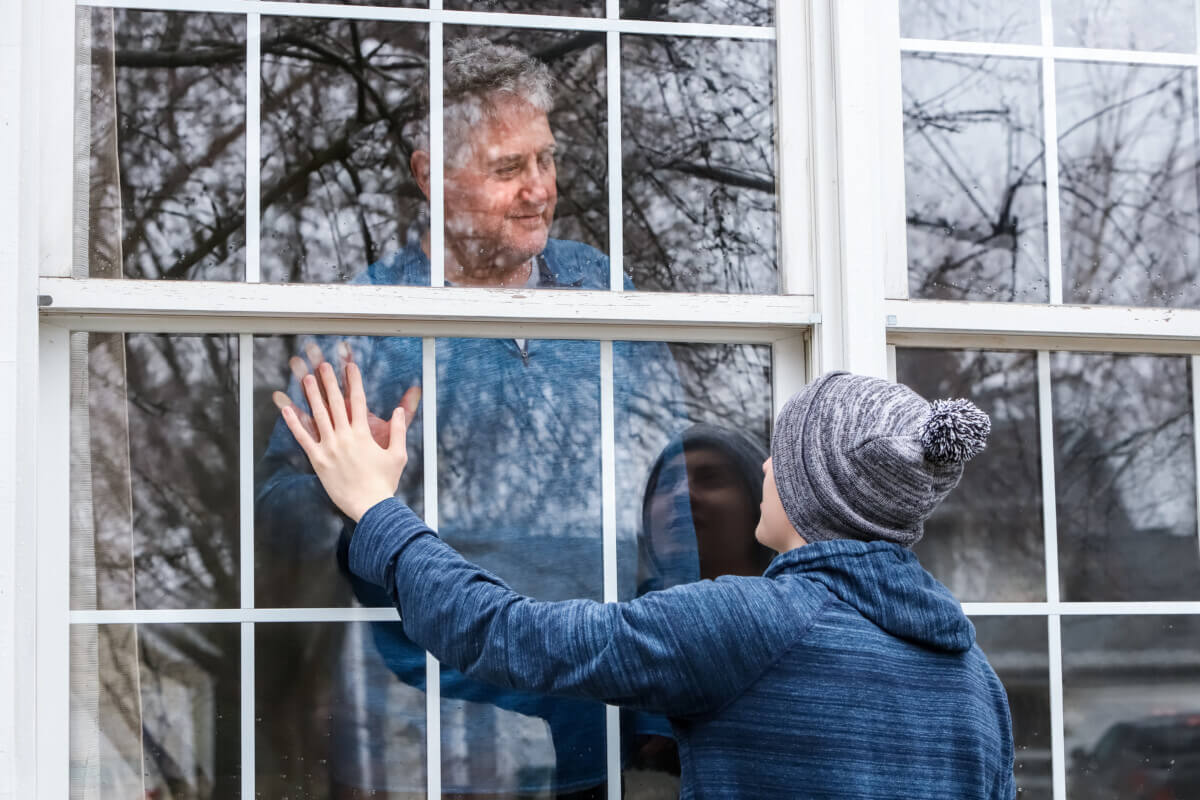
The study’s findings suggest that loneliness isn’t just about feeling sad or isolated – it could have serious implications for brain health. The researchers found that feeling dissatisfied with social relationships affects cognitive function regardless of a person’s age or gender. This impact extends beyond general cognitive decline to include specific forms of dementia, including Alzheimer’s disease.
“Dementia is spectrum, with neuropathological changes that start decades before clinical onset,” Luchetti explains. “It is important to continue studying the link of loneliness with different cognitive outcomes or symptoms across this spectrum. Loneliness – the dissatisfaction with social relationships – may impact how you are functioning cognitively, and in daily life.”
The research team conducted a meta-analysis, combining and analyzing data from multiple studies to identify patterns and trends. This approach allowed them to draw conclusions from a massive dataset of over half a million participants, though the researchers note that most data came from wealthy Western nations.
“We know there are rising cases of dementia in low-income countries,” Luchetti says. “Future studies need to gather more data from those countries to evaluate what are the effects of loneliness in different national and cultural contexts.”
The finding of a 31% increase in dementia risk could help shape future strategies for preventing severe cognitive decline.
“Now that there is solid evidence of an association, it is critical to identify the sources of loneliness to both prevent or manage loneliness and support the well-being and cognitive health of aging adults,” Luchetti concludes.
Paper Summary
Methodology
This study analyzed data from over 600,000 people to see if feeling lonely could increase the risk of dementia, a condition affecting memory and thinking. The researchers looked at data from large ongoing studies, using specific methods to measure loneliness and mental health. They grouped the data into categories based on loneliness levels and tracked participants’ health over time to see if they developed dementia. Advanced statistical techniques helped them control for other factors like depression or social isolation that could also affect dementia risk.
Key Results
The findings showed that people who reported feeling lonely had a higher risk of developing dementia. The risk was particularly high for certain types of dementia, including Alzheimer’s disease. For instance, lonely individuals were about 31% more likely to develop dementia than those who didn’t report feeling lonely. Even when considering other risk factors like depression or physical health, loneliness remained a significant predictor.
Study Limitations
One limitation is that the study combined different definitions and measures of loneliness across various countries, which may lead to variations in results. Also, some studies did not fully track other factors, like depression and physical health issues, which can interact with loneliness to impact dementia risk. The findings might not apply equally to all demographics, as most data were collected from high-income countries, leaving out regions like Africa and parts of Asia and South America.
Discussion & Takeaways
The study suggests that loneliness could be a risk factor for dementia, similar to how physical inactivity or smoking increases health risks. Since loneliness has become more common with the rise of social isolation, these findings emphasize the need for community support and mental health interventions. Addressing loneliness might help reduce dementia risk, especially in older adults who may have fewer social connections.
Funding & Disclosures
This study was supported by the National Institute on Aging of the National Institutes of Health (grants R01AG074573, RF1AG053297, and R01AG068093) and included data from several large cohort studies, such as the Health and Retirement Study (HRS), English Longitudinal Study of Ageing (ELSA), Survey of Health, Ageing and Retirement in Europe (SHARE), Irish Longitudinal Study on Ageing (TILDA), Mexican Health and Aging Study (MHAS), Korean Longitudinal Study of Aging (KLoSA), China Health and Retirement Longitudinal Study (CHARLS), and the Household, Income and Labour Dynamics in Australia Survey (HILDA).
Each study was funded and supported by various national and international agencies, including the U.S. National Institute on Aging, the European Commission, the Australian Government, and additional organizations throughout Asia and Europe. Data collection was conducted with participants’ informed consent and approved by each institution’s review board.
The funders did not influence the study’s design, analysis, publication decision, or manuscript preparation. The researchers disclosed no conflicts of interest, ensuring an objective and unbiased study approach.


My 88 year old mom was driving, going to church, buying her own groceries, paying her own bills, taking a great grandson to scouts, etc. When Covid hit and she was isolated in her apartment and social activities ceased, we all saw a huge cognitive decline during that lockdown. Without the human interactions, she stated that she was now so lonely. Phone conversations did not fill that gap. Within the next 2 years, she spiraled into full blown dementia, ended up in a memory care unit and passed with Alzheimers dementia. We have seen the similar decline with a friend who lives alone and frequently bemoans how lonely he is. His lack of short term memory also indicates a stage of dementia. I really appreciate this study giving us validity to what we see first hand.
Other studies have made similar observations about lack of friends and/or a social network in old people. It is as harmful as smoking a pack of cigarettes a day. You die sooner.
Longevity is over-emphasized in our society. If you’ve had to deal with elder care, you’d know that a large proportion of end-of-life scenarios are awful due to family insisting on extra-ordinary means to keep grandma alive despite her misery.
What comes first, the cart or the horse?
Is it possible that folks are struggling with cognitive issues and withdraw from friends and don’t possess the initiative to seek new ones long before the diagnosis of dementia becomes apparent.