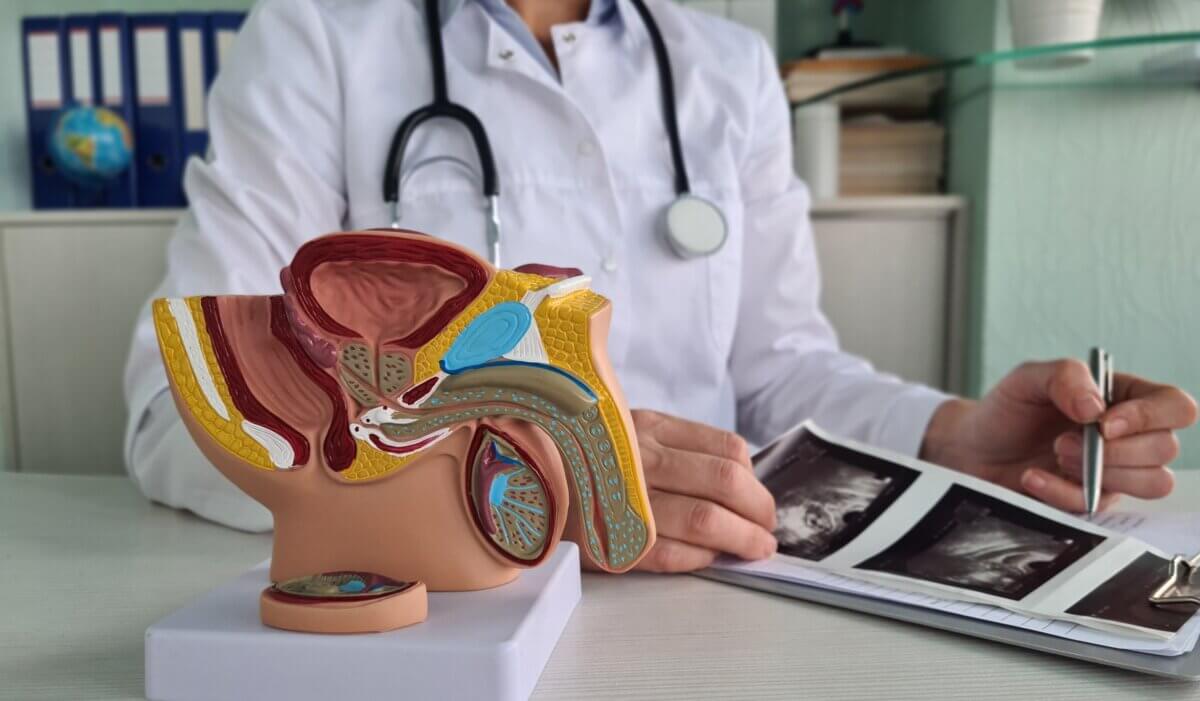
Male reproductive system model. (Photo by NMK-Studio on Shutterstock)
Do you really know what you look like on the inside? Most people do not, and usually it takes surgery or medical imaging to take a look while we are still alive.
A case study was published last week where researchers made the rare finding of a man with “triphallia.” Most people would say the man had three penises. But anatomists, like myself, who teach health professionals about the structure of the human body, prefer the term penes (plural of penis).
This finding emerged from the dissection of the body of a 78-year-old man who had donated his body to science. It is a case that has left many anatomists scratching their heads, and ignited discussions about typical human anatomy and anatomical variation.
I too have an extra organ – an extra spleen – plus other anatomical variations regarding two muscles. It is highly likely you might also have anatomical variations, and not necessarily know.
Back to this case
According to the latest study, only one penis was externally visible. But when his body was dissected, there were two extra, smaller penises inside the scrotum.
The main penis was 77mm long and 24mm wide, with the smaller ones about half the size. However, the images provided in the study don’t seem to match the written descriptions in all places. So the study does need clarification.
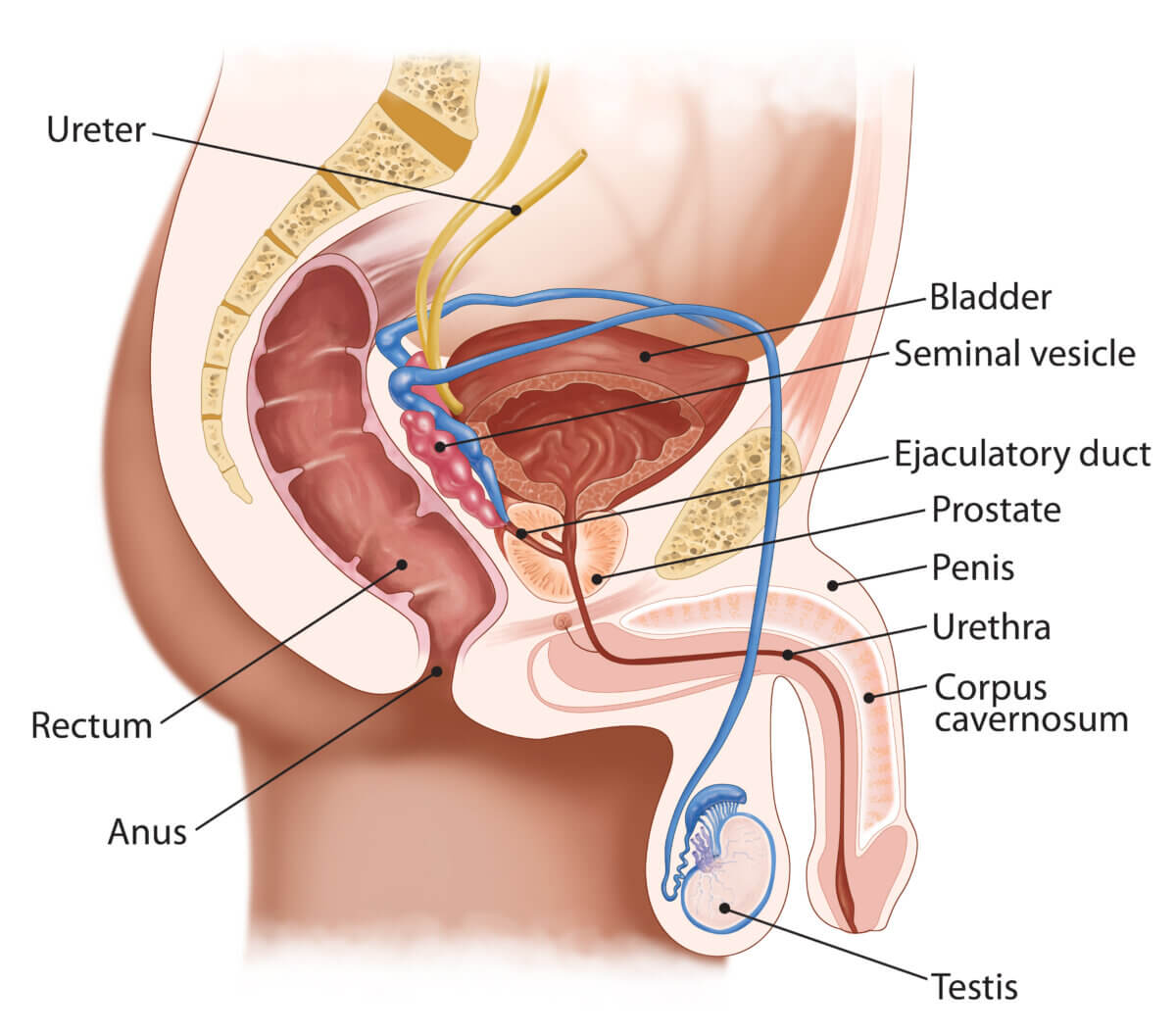
Intriguingly, researchers identified a single urethra – the hollow tube from the bladder that allows urine (and sperm from the testes) to leave the body. This urethra traveled from the bladder through part of one of the smaller penises and along the length of the main penis, leaving out the third penis entirely.
Was there a misunderstanding in identifying these anatomical structures? Could the second penis simply be a misidentified part of the main one? Is this actually a case of diphallia – two penises? In either case, the man’s anatomy was different to what you’d typically see in anatomy textbooks.
The study suggests all three penises contained erectile tissue capable of engorgement. But it remains unclear whether they worked independently or together. Unfortunately, the authors did not confirm structures by examining them under the microscope, or report tracing the nerves or blood vessels, to shed more light.
There was an earlier case in a baby
A separate case of someone with three penises, which was documented in 2020, involved a three-month-old infant.
In this instance, the main penis was in its typical position, but you could see the extra ones on the perineum (between the anus and the scrotum in males).
Neither of the extra penises had a urethra, making them incapable of functioning typically. Ultimately, these non-functional penises were safely removed.
Such cases are rare, with only these two examples reported in medical databases.
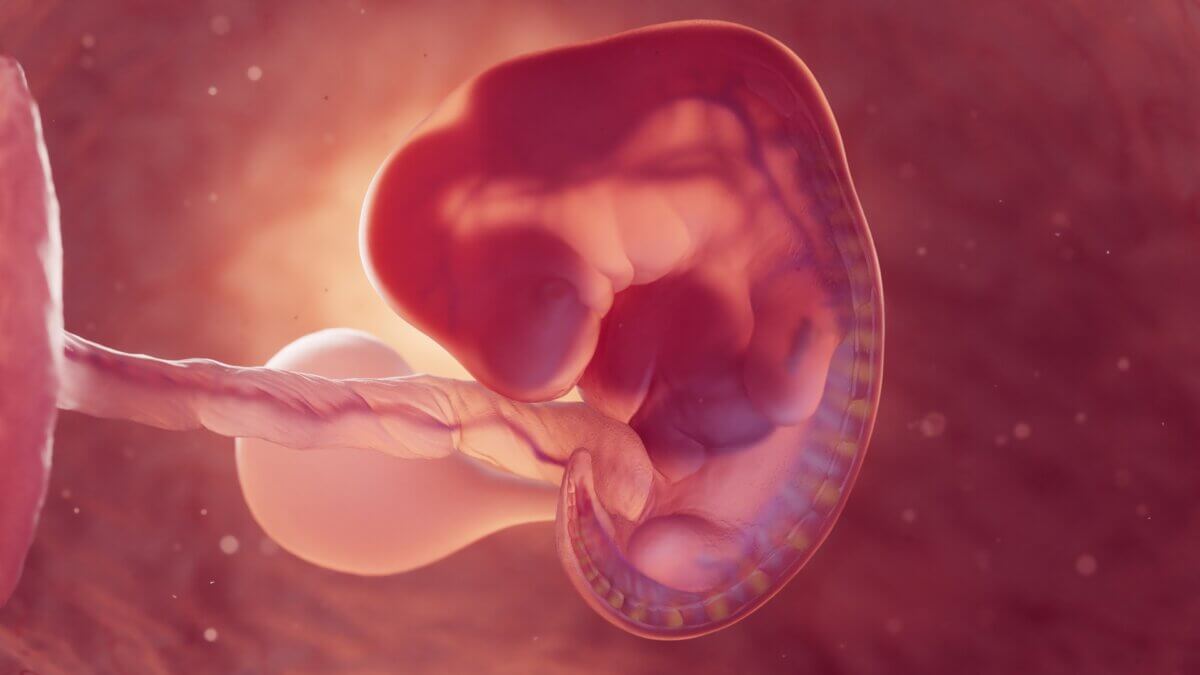
So how does this happen? The answer may lie in how embryos develop.
Early in development
The penis begins to develop early in the first trimester of a 40-week pregnancy, a time when a woman may not know she’s pregnant.
During this critical period, the embryo may be exposed to various influences. These include toxins passed through the bloodstream if the mother falls ill, takes certain drugs while pregnant or is exposed to certain chemicals. There are also genetic factors that shape how organs develop.
By the fifth week of pregnancy, cells migrate to the midline of the embryo, where they help form the precursor to the penis.
Problems in this migratory process, abnormalities in a developmental gene (called “sonic hedgehog”), or fluctuations in testosterone levels or receptors during early fetal development, could potentially lead to the formation of additional penises.
Humans are varied
While the appearance of triphallia may be startling, these rare cases highlight a broader point: our anatomy can vary significantly. Just as individuals differ in their external appearances, so too does our internal anatomy.
For example, there are anatomical variations in blood vessels, organs, muscles, nerves and even bones that may not be readily visible.
Indeed, incidental findings during my own medical examinations have found I have a supernumerary (or extra) spleen, called a splenunculus, an extra flexor digitorum longus muscle (in my leg), and I’m missing both palmaris longus muscles (in my forearms).
While my anatomical variations are internal, a common example of a visible external anatomical variation are extra nipples. These can be mistaken for moles and can also result from developmental issues in the early weeks of pregnancy.
Why is this important?
Cases like the man said to have three penises are important reminders of the complexities of human anatomy and the many factors that can influence our bodies from the very start of development.
Exploring these rare findings emphasizes the importance of continued research in anatomy and embryology.
These findings also highlight the importance of a healthy lifestyle for people intending to fall pregnant and who are already. This is so growing embryos can have the best chance of developing typical anatomy.
Dr. Amanda Meyer is a Senior Lecturer of Anatomy and Pathology at James Cook University
This article is republished from The Conversation under a Creative Commons license. Read the original article.


