
Researchers predict cases of dementia across the globe will triple by 2050. (© pathdoc - stock.adobe.com)
In A Nutshell
- Scientists identified FTL1, a ferritin light chain protein, as a driver of age-related memory decline in mice.
- Increasing FTL1 impaired memory in young mice, while lowering it restored memory and synaptic function in aged mice.
- FTL1 disrupts energy production in neurons; NADH supplementation mitigated these effects and improved cognition.
SAN FRANCISCO — A protein that builds up in aging brains may help explain why people forget where they put their keys or struggle to learn new names as they get older. Researchers from the University of California, San Francisco, have now figured out how to dial down this protein’s activity in mice. The result was a striking improvement in memory performance in older animals.
In a study published as a Letter in Nature Aging, scientists discovered the protein called ferritin light chain 1 (FTL1) accumulates in brain cells as mice age. The higher the FTL1 levels, the worse their memory performance became. When researchers artificially increased FTL1 levels in young mice, the animals became cognitively impaired on standard memory tasks. Even more remarkable, when they reduced FTL1 in older mice, the animals regained much of their youthful ability to remember and learn.
FTL1 is part of the system that stores iron in cells. The study notes that increased FTL1 in the hippocampus of aged mice likely reflects changes in brain iron metabolism during aging. Put simply, when this iron-handling system becomes unbalanced, it can interfere with the way brain cells function.
Millions of Americans face age-related memory decline, with experts estimating dementia cases to triple by 2050 across the globe. While normal aging doesn’t involve the widespread brain cell death seen in Alzheimer’s disease, it still brings frustrating changes in how quickly and effectively people can form new memories or recall information.
Pinpointing The Memory Loss Protein In Mice
Laura Remesal and Saul Villeda’s team began by comparing brain cells from young mice (3 months old, roughly equivalent to young adulthood in humans) with those from aged mice (18 months, similar to people in their 60s). Among all the genes and proteins that changed with age, FTL1 stood out: it increased in both gene expression analyses and protein-level measurements at synapses.
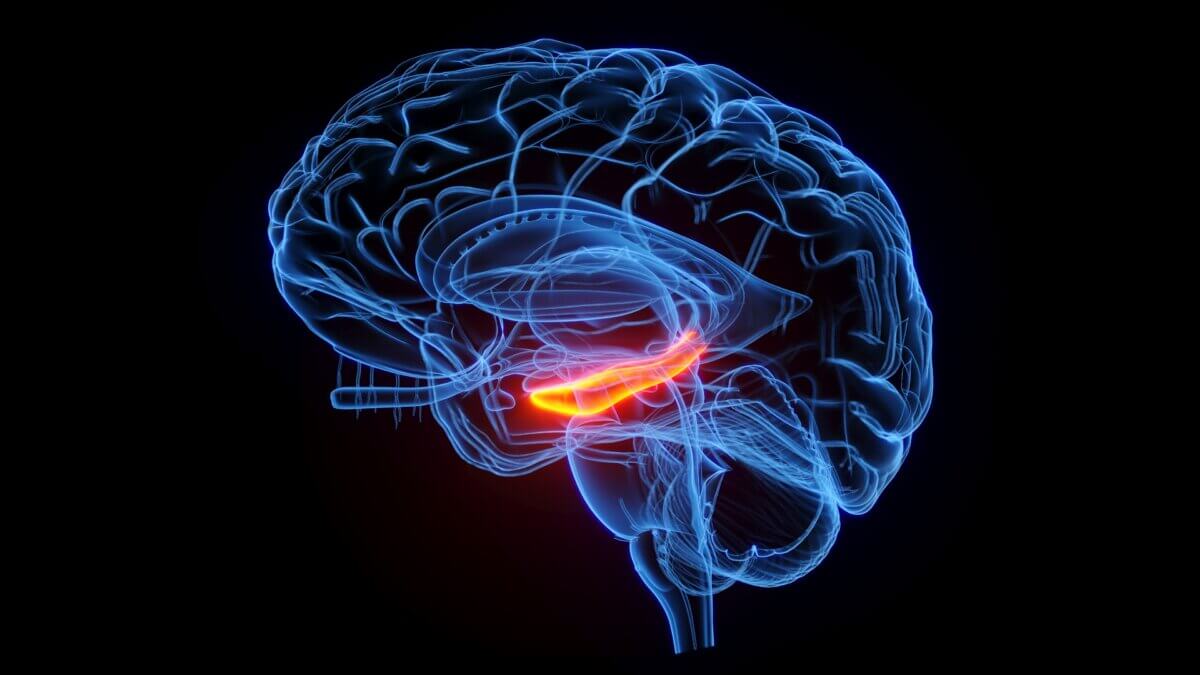
To test whether FTL1 directly caused memory decline, the researchers boosted FTL1 levels in the hippocampus (the brain’s memory hub) of young mice. Normally, healthy young mice perform well on learning and memory tests such as the Y maze and Novel Object Recognition (NOR). But after FTL1 levels were raised, the mice lost that advantage, showing no preference for new objects or novel arms in the maze. Brain analyses revealed changes typical of old age: fewer excitatory and inhibitory synapses and reduced ability to strengthen those connections, as measured by long-term potentiation (LTP).
FTL1 Reversal Shows Promise In Fighting Cognitive Decline
The scientists then flipped the experiment. Instead of adding more FTL1, they used genetic tools to lower FTL1 in the brains of aged mice. The results were dramatic: old mice that had previously performed poorly on memory tests now behaved much more like their younger counterparts. Their brain cells grew more connections, and the cellular machinery for learning and memory began working efficiently again.
These improvements weren’t a fluke. Multiple experiments, using different genetic approaches to reduce FTL1, consistently produced the same outcome: better performance on hippocampal-dependent memory tasks.
“It is truly a reversal of impairments,” said Villeda, the associate director of the UCSF Bakar Aging Research Institute, in a statement. “It’s much more than merely delaying or preventing symptoms.”
Energy Crisis Links Iron and Memory Loss
The researchers also discovered why excess FTL1 is so harmful. Brain cells are energy-hungry, relying on mitochondria (the cell’s “power plants”) to fuel thought and memory. When FTL1 piled up, it disrupted mitochondrial energy production. Essentially, the brain cells’ lights were dimmed, leaving them unable to maintain the connections needed for memory.
Measurements confirmed that brain cells with artificially high FTL1 levels produced significantly less energy. This shortage likely explains why their connections faltered. But there was good news: when researchers gave mice NADH, a molecule that helps boost energy production, it mitigated the memory problems caused by excess FTL1. Young mice with elevated FTL1 performed normally on memory tests if they also received NADH.
Previous studies in humans have shown that higher ferritin levels in spinal fluid predict faster cognitive decline and greater risk of Alzheimer’s disease. Although FTL1 specifically hasn’t been studied in depth in people, it is present in human brains and likely plays a similar role. The authors suggest their findings raise the possibility of new strategies to protect memory as people age.
Importantly, the study involved hundreds of mice but only males, leaving open the question of whether the same effects would hold true for females.
“Our data identify neuronal FTL1 as a key molecular mediator of cognitive rejuvenation,” the researchers wrote, pointing to FTL1 as a promising target for future therapies.
Disclaimer: This study was conducted in male mice and published as a Letter in Nature Aging. While results highlight FTL1 as a potential target for improving cognition, findings may not directly apply to humans. Further research, including studies in female mice and human subjects, is needed before any clinical applications can be considered.
Paper Summary
Methodology
Researchers used young (3-month-old) and aged (18-month-old) male mice. They analyzed gene expression patterns in hippocampal neurons, then used viral delivery systems to either increase or decrease FTL1 levels. Behavioral memory tests included the Y maze, Novel Object Recognition (NOR), and Radial Arm Water Maze (RAWM). They also measured synaptic connectivity, energy production, and iron regulation using microscopy, biochemical assays, and electrophysiology.
Results
FTL1 levels were higher in aged mouse brains and correlated with poorer memory. Artificially raising FTL1 in young mice impaired their memory and synaptic function. Lowering FTL1 in aged mice improved their memory performance and boosted synaptic connections. FTL1 disrupted energy production in neurons, but supplementation with NADH mitigated these deficits. Results were replicated across multiple experimental methods.
Limitations
The study used only male mice, limiting applicability to females. Findings may not directly translate to humans. Researchers focused on the hippocampus; effects in other brain regions remain unknown. Long-term safety of manipulating FTL1 was not evaluated. Human-specific data on FTL1 in aging and dementia is lacking.
Funding and Disclosures
Funded by the Simons Foundation, Bakar Family Foundation, National Science Foundation, Hillblom Foundation, Bakar Aging Research Institute, and National Institute on Aging. One author consulted for SV Health Investors and The Herrick Company, Inc. All other authors reported no competing interests. Animal experiments were approved by UCSF’s Institutional Animal Care and Use Committee.
Publication Information
“Targeting iron-associated protein Ftl1 in the brain of old mice improves age-related cognitive impairment” was published as a Letter in Nature Aging in August 2025. The study was led by Laura Remesal and Saul A. Villeda at UCSF, with collaborators from the University of Illinois at Urbana-Champaign, University of Texas at Austin, Stanford University, and others. DOI: 10.1038/s43587-025-00940-z


