
(© Love the wind - stock.adobe.com)
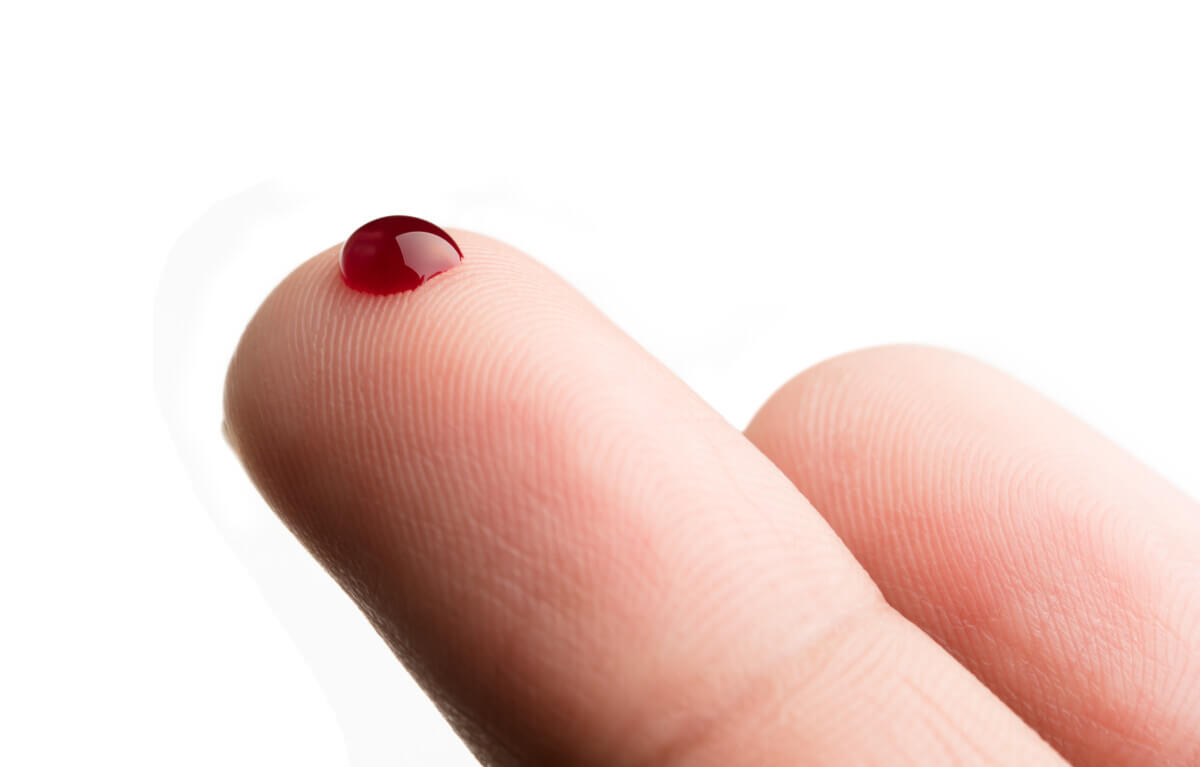
NEW BRUNSWICK, N.J. — A groundbreaking microchip that can measure stress hormones in real-time from a drop of blood has been developed. Researchers believe the innovation could drastically change the daily health of people without the need for cumbersome laboratory set-ups.
Cortisol, and other stress hormones, regulate many aspects of physical and mental health including sleep quality. High levels of cortisol can result in poor sleep, which increases stress that can contribute to panic attacks, heart attacks and other issues. Researchers used the same technology used to make computer chips to build sensors thinner than a human hair that can detect biomolecules at low levels.
The scientists were able to test the device on 65 blood samples from patients.
“The use of nanosensors allowed us to detect cortisol molecules directly without the need for any other molecules or particles to act as labels,” says Reza Mahmoodi, a postdoctoral scholar at Rutgers University, in a statement.
Mehdi Javanmard, an associate professor also with the university’s Department of Electrical and Computer Engineering, says patients can monitor their hormone levels and better manage chronic inflammation and stress at a lower cost. “Our new sensor produces an accurate and reliable response that allows a continuous readout of cortisol levels for real-time analysis,” he explains. “It has great potential to be adapted to non-invasive cortisol measurement in other fluids such as saliva and urine.
“The fact that molecular labels are not required eliminates the need for large bulky instruments like optical microscopes and plate readers, making the readout instrumentation something you can measure ultimately in a small pocket-sized box or even fit onto a wristband one day,” he adds.
Stress may have hit levels unseen for many Americans thanks to the COVID-19 pandemic. In one recent survey, half of Americans admit they don’t think they’ll ever fully recover from the stress they battled during the pandemic.
The research was published in the journal Science Advances.
SWNS writer Joe Morgan contributed to this report.


