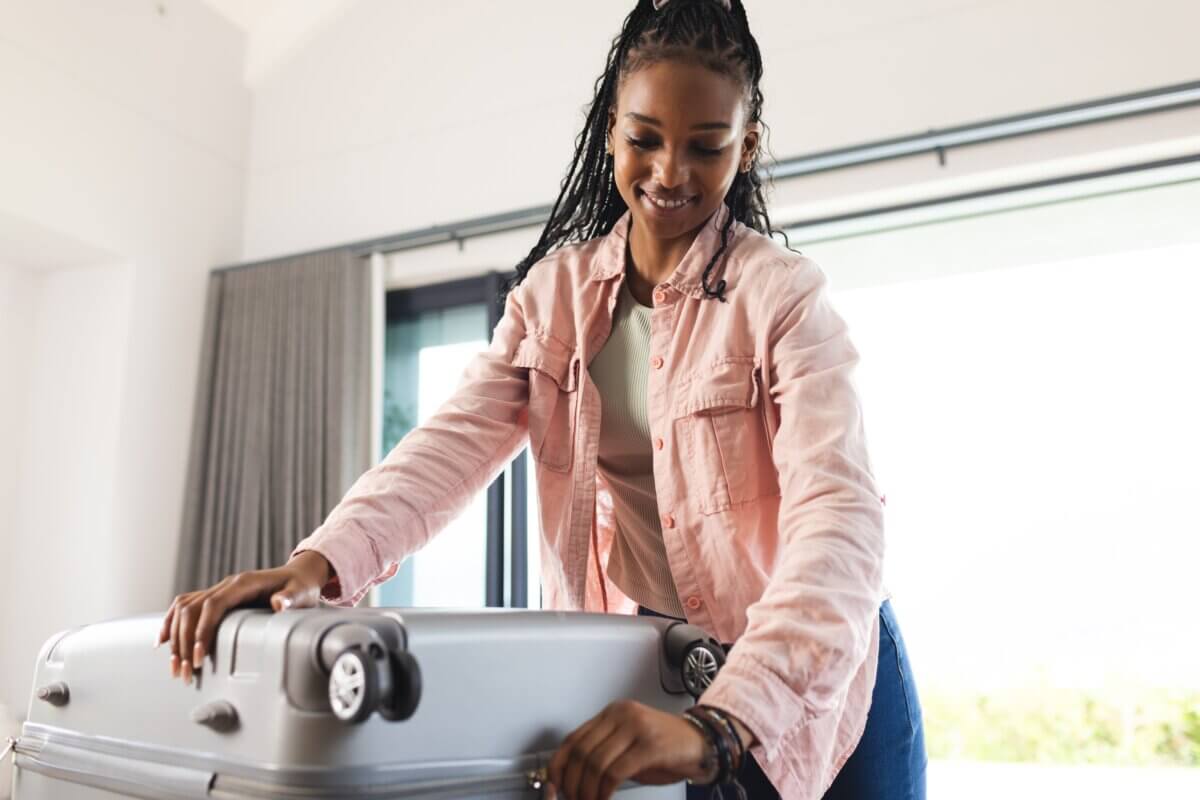
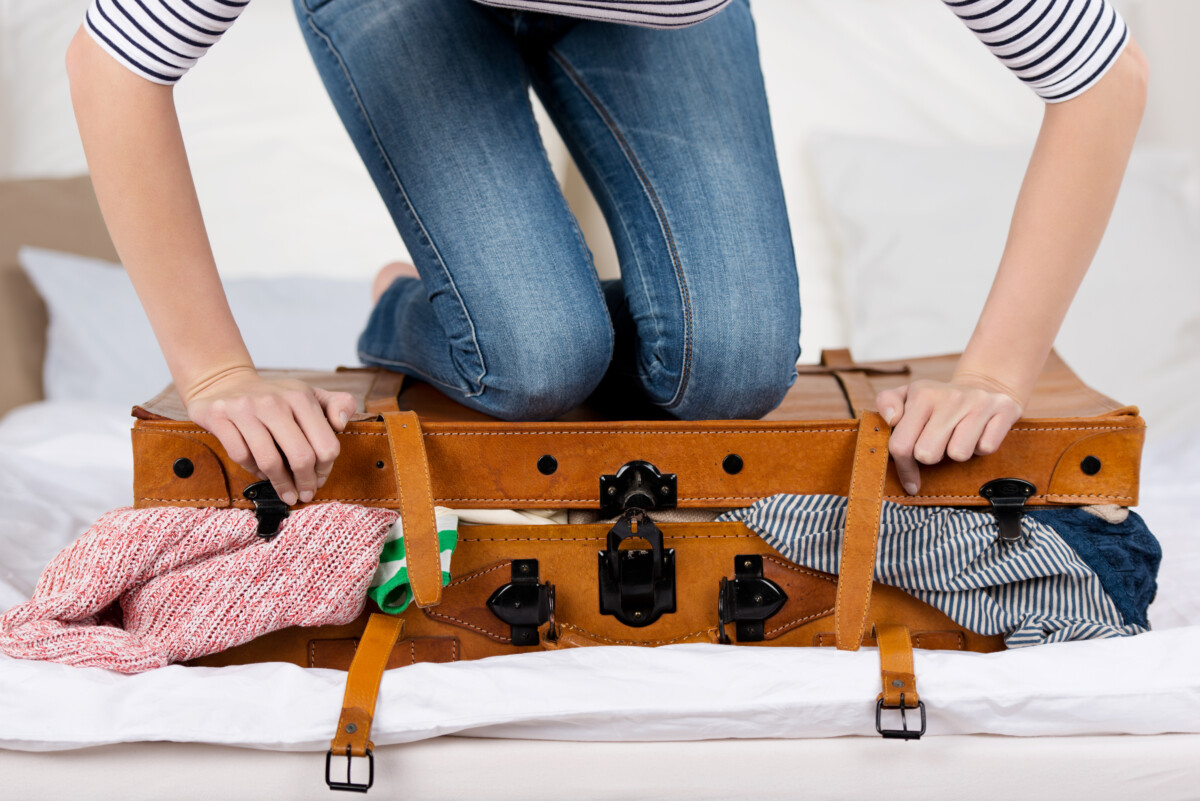
A woman packing a suitcase (wavebreakmedia/Shutterstock)
Minimalism is more than a lifestyle trend — it’s a movement about living with more intention. Many who embrace minimalism say they feel more freedom in their lives, along with fewer distractions, a sense of control and security, and an overall richer life experience. A study from the Journal of Positive Psychology found that over 80% of research shows a strong connection between minimalism and increased happiness.
This idea naturally extends to travel. Instead of lugging multiple bags, minimalist travelers focus on the adventure itself. By adopting a minimalist mindset, you can save time, money, and stress. With 81% of travelers looking to avoid checked bag fees according to recent research, more people are packing lighter and embracing the benefits of traveling with just a backpack or carry-on. While this may seem daunting for those accustomed to overpacking, once you master efficient packing and smarter travel habits, you’ll never be weighed down by excess luggage again.
Why ditch the checked bag?
Checked baggage fees are higher than ever, with most airlines charging between $30 and $50 for the first checked bag on domestic flights and even more for international trips. Avoiding these fees means more money in your pocket for experiences like sightseeing, dining, or souvenirs. Plus, traveling with only a carry-on allows you to skip the long wait at baggage claim and reduces the risk of lost or delayed luggage. Also, you can make a last-minute decision to change a flight or hop on a bus, without the extra weight.
Carry-on or backpack?
When deciding between a carry-on suitcase or a backpack for your trip, it often comes down to personal preference and the type of travel you’re planning. A carry-on offers convenience with easy rolling and ample space, while a backpack provides mobility and hands-free movement, especially in places with uneven terrain or busy streets.
Here’s a breakdown of the pros to consider for each:
Carry-on suitcase
- Easy to roll on smooth surfaces
- Ample space for larger items
- Less strain on your back and shoulders
- Quick access to items when standing still
- Ideal for organized, short trips
Backpack
- Hands-free for better mobility
- More flexible in tight spaces
- Comfortable with padded straps
- Easier to navigate public transport
- Better for active or longer travel
Packing hacks to maximize your carry-on space
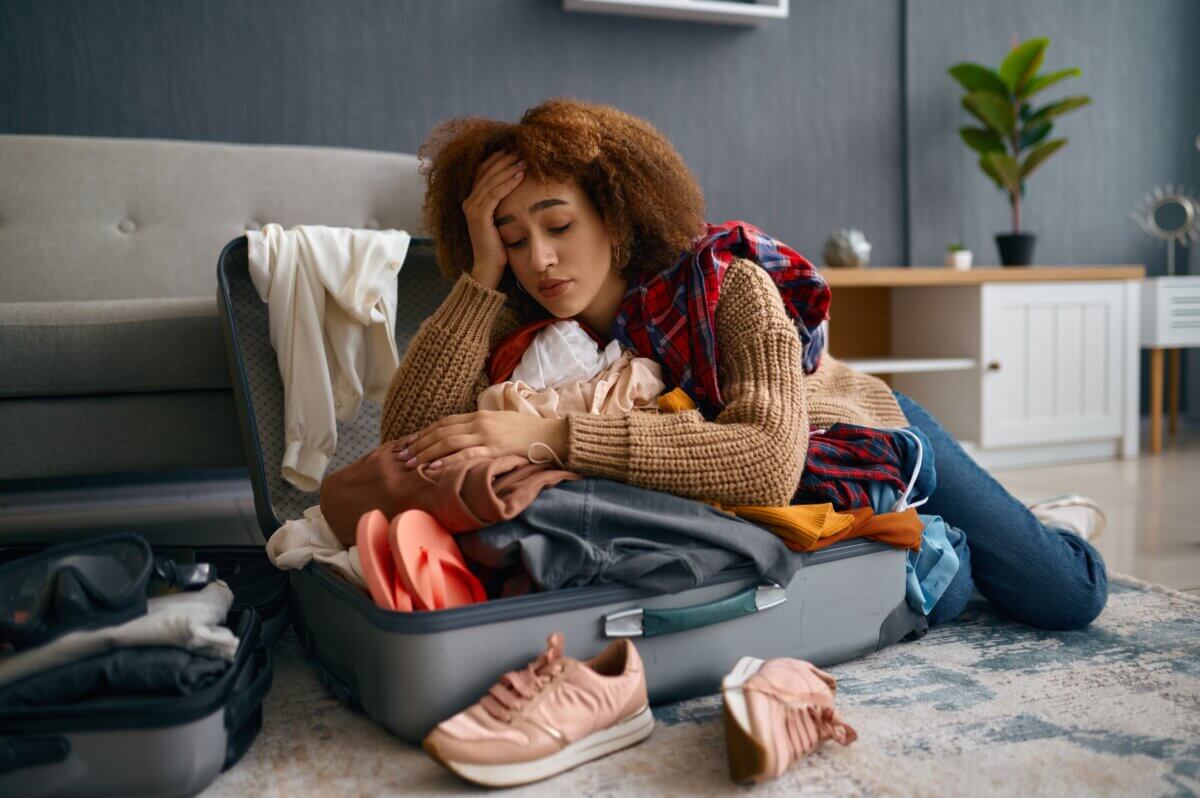
Whether you choose a rolling carry-on or a backpack, making the most of your space is essential. How can you maximize it while keeping everything organized and easy to access?
1. Use packing cubes
Once you start using packing cubes, your life will never be the same. They allow you to organize all your items and squeeze more into your bag. This method saves space and makes it easier to find what you need quickly without dumping everything out of your bag.
2. Roll your clothes
Rolling clothes instead of folding them is a well-known space-saving technique. This method compresses fabric, reducing wrinkles and creating more room in your bag. Rolled clothes can also be tucked into smaller spaces, such as corners or the sides of your carry-on.
3. Choose versatile clothing
Pack neutral, lightweight pieces that can be mixed and matched to create multiple outfits. A few key items, like a pair of pants that can be dressed up or down, will go a long way in cutting down how much clothing you need to pack. Aim for quick-drying, moisture-wicking fabrics that can be easily washed and dried during your trip.
4. Wear your bulkiest items
To save space, wear your heaviest or bulkiest items on travel days. Jackets, boots, and heavier layers take up a lot of room in your bag but are necessary for cooler climates. By wearing these items, you free up space in your carry-on for lighter, more flexible clothing.
5. Limit your shoes
Ladies, you probably don’t want to hear this, but shoes are one of the bulkiest items to pack, so aim to bring no more than two pairs—one for walking and a dressier option if needed.
6. Utilize all compartments
Take advantage of every nook and cranny in your carry-on. Small spaces are perfect for chargers, toiletries, and other small essentials. Tuck items like socks into shoes and use zippered pockets for accessories.
7. Opt for travel-sized toiletries
Instead of packing full-size toiletries, pour your liquids into travel-sized bottles. Solid toiletries, such as bar shampoo, conditioner, and soap, are TSA-friendly and take up far less space in your bag. If you’re traveling with someone, have one person bring the shampoo and other items that can be shared.
Essential packing list for any trip length
You don’t need a suitcase stuffed with clothes to look and feel great on vacation. Focus on versatile pieces when packing. Here’s a basic packing list that works for both short weekend trips and longer backpacking adventures:
Clothing
- 3-4 t-shirts or lightweight tops
- 1-2 long-sleeve shirts for layering
- 1 jacket or sweater (wear your heaviest one during travel)
- 2-3 pairs of pants or shorts
- 1 pair of comfortable walking shoes
- 1 pair of dressier shoes or sandals (optional)
- 5-7 pairs of socks and underwear
- Sleepwear
- Swimsuit (optional)
Toiletries
- Travel-sized shampoo, conditioner, and soap (or solid bars)
- Toothbrush and toothpaste
- Deodorant
- Razor
- Basic first aid kit (bandages, pain relievers, etc.)
Tech gear
- Smartphone and charger
- Portable power bank
- Universal adapter
- Kindle or e-reader (instead of carrying physical books)
Miscellaneous
- Packing cubes
- Reusable water bottle (Perhaps a collapsable one)
- Sunglasses
- Travel documents (passport, printed reservations, etc.)
- Lightweight daypack for daily excursions
Packing light doesn’t mean sacrificing comfort. A few well-chosen items can make all the difference on your journey. Start with a compact travel pillow to make sleeping easier on planes, trains, and buses. Pair it with noise-canceling headphones to block out distractions and create a peaceful bubble, wherever you are. Finally, stay connected no matter where your travels take you by using an international SIM card or eSIM, so you’re never far from loved ones or important updates.
The next time you plan a trip, think like a minimalist — less is more. With the right mindset and preparation, you can explore the world with nothing more than a carry-on or backpack and focus on what you’re seeing, instead of what you’re bringing. Safe travels!


