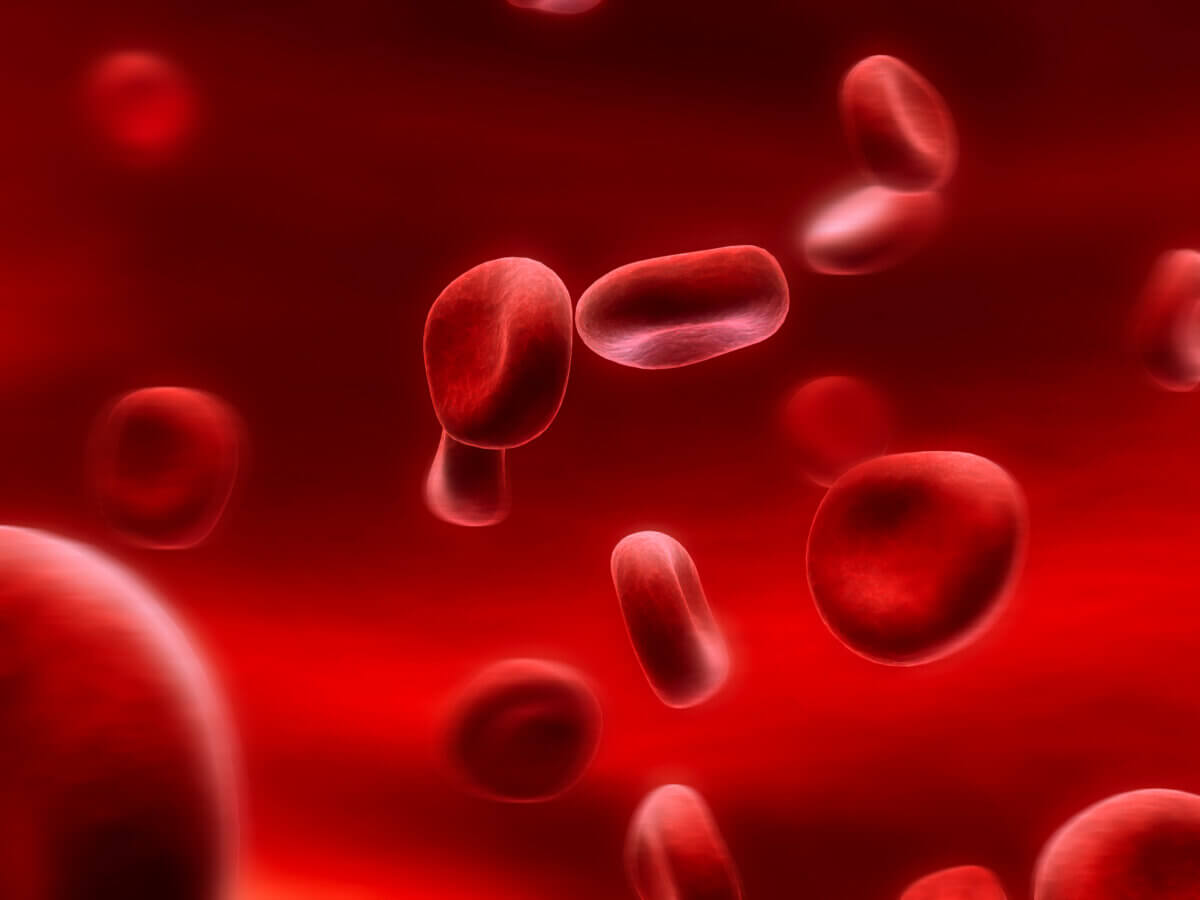
(Credit: Sebastian Kaulitzki/Shutterstock)
The existence of EndoMac progenitors has been theorized for over 100 years, but they remained elusive until now.
ADELAIDE, Australia — Researchers have uncovered a new type of cell with almost magical abilities to transform and heal. This discovery could revolutionize treatments for chronic wounds and usher in a new era of regenerative medicine.
A team of Australian scientists at the South Australian Health and Medical Research Institute (SAHMRI) has identified a previously unknown cell type that can morph into two distinct kinds of cells crucial for healing and blood vessel formation. Dubbed “EndoMac progenitors,” these cellular chameleons have the unique ability to become either endothelial cells, which form the lining of blood vessels, or macrophages, immune cells that play a vital role in tissue repair and defense.
“These cells have an important job, to help grow blood vessels when the body calls for it. They are activated by injury or poor blood flow, at which point they rapidly expand to aid in healing,” says Dr. Sanuri Liyange, a member of the research team, which published their work in the journal Nature Communications.
The existence of such versatile cells has been theorized for over a century, but they remained elusive until now. The SAHMRI team finally spotted these shapeshifters lurking in the outer layer of adult mouse aortas, the largest artery in the body. This discovery was no overnight success – it took the researchers, led by Professor Peter Psaltis, nine painstaking years to conclusively identify and characterize these cells.
What makes EndoMac progenitors particularly exciting is their potential for therapeutic use. Unlike many other cell types, they don’t display typical “self” markers on their surface. This stealthy quality could make them ideal candidates for stem cell transplantation, as they’re less likely to be rejected by a recipient’s immune system.
To test the healing prowess of these cells, the researchers isolated them from mice and grew them in the lab. They then transplanted the cells into diabetic mice with chronic wounds – a condition notoriously difficult to treat. The results were nothing short of remarkable.
“When we transplanted these progenitors into diabetic wounds, we saw a dramatic improvement in healing within days,” Dr. Liyange reveals. “In theory, this could become a game-changer for patients suffering from chronic wounds.”
This finding offers a glimmer of hope for millions of people worldwide who struggle with slow-healing or non-healing wounds, a common and debilitating complication of diabetes. The ability to jumpstart the healing process could significantly improve the quality of life and reduce the risk of severe complications like amputations.
The potential of EndoMac progenitors doesn’t stop at wound healing. The researchers believe these cells could have far-reaching implications for various conditions where tissue repair and blood vessel growth are impaired. Heart disease, stroke recovery, and even anti-aging treatments might one day benefit from therapies based on these shapeshifting cells.
The SAHMRI team is already exploring whether similar progenitor cells exist in other tissues, with ongoing studies focused on skin and muscle cells. Results from these investigations are expected within the next year. Perhaps most excitingly, the hunt is on to find these cells in human tissue, with early indications looking promising.
“We’re excited to continue exploring the potential of these cells. It’s early days, but the implications could be massive,” Dr. Liyanage said. “This represents a significant advancement in our understanding of blood vessel regeneration and holds promise for creating more effective treatments that support the body’s capacity to heal and maintain function over time.”
As research continues, one thing is clear: the discovery of EndoMac progenitors has opened up an exciting new frontier in medical science, one that could bring hope and healing to millions of patients around the world.
Paper Summary
Methodology
The researchers aimed to discover whether embryonically derived progenitor cells contribute to the creation of endothelial cells and macrophages after birth. To do this, they studied the aortas of mice at different stages of development. They used several advanced techniques, including flow cytometry, a method that helps identify and sort different types of cells, and colony-forming unit (CFU) assays, which reveal whether certain cells can renew and create colonies. By tracing the origins of these cells in both embryonic and postnatal tissues, they were able to establish that these progenitor cells, named EndoMac progenitors, were present in the aorta and could form both endothelial cells and macrophages. They also injected these cells into damaged tissue to observe how they contributed to healing.
Key Results
The study found that a special type of cell — called an EndoMac progenitor — was present in the walls of mouse aortas after birth. These cells are capable of turning into two different cell types: endothelial cells, which line blood vessels, and macrophages, which help the body’s immune system. The researchers showed that these cells played a role in repairing tissues after injury. They also discovered that a hormone called angiotensin II could stimulate the growth and activity of these progenitor cells. This means that the body has a built-in source of cells that help with blood vessel growth and repair after birth, and these cells come from an early stage of development.
Study Limitations
While this study uncovered a new type of progenitor cell in the postnatal aorta, there are some limitations. The research was primarily conducted on mice, which means that further studies are needed to confirm whether these findings apply to humans. Additionally, although the EndoMac progenitors show the ability to form endothelial cells and macrophages, the mechanisms behind this differentiation process are not fully understood. The long-term role of these cells in disease and aging, as well as how they interact with other parts of the body, requires further investigation.
Discussion & Takeaways
The discovery of EndoMac progenitors introduces a new understanding of how the body maintains and repairs blood vessels after birth. These cells are unique because they can form two different types of cells, making them a key component in tissue repair. One of the most exciting findings is that these progenitors are present from an early embryonic stage and continue to contribute to the health of the aorta into adulthood. The study also highlighted the role of angiotensin II in enhancing the activity of these cells, which could lead to new treatments for conditions like heart disease and tissue ischemia, where blood flow is restricted. Overall, the research suggests that targeting these progenitors could open new therapeutic possibilities for vascular diseases.
Funding & Disclosures
The study was funded by the National Health and Medical Research Council of Australia, the National Heart Foundation of Australia, and the Royal Australasian College of Physicians. The authors have disclosed no significant conflicts of interest that would have influenced the results of this study.


