
(© Prostock-studio - stock.adobe.com)
GUANGZHOU, China — Vision problems are becoming an issue of pandemic-like proportions. Concerningly, a new study finds nearly a billion children worldwide will have to grow with glasses.
Specifically, researchers in China have found that myopia, commonly known as nearsightedness, is on the rise globally among children and teens. The research, published in the British Journal of Ophthalmology, paints a concerning picture of the future, predicting that by 2050, nearly 740 million youngsters worldwide could be affected by this condition.
The study, led by researchers from Sun Yat-Sen University in China, analyzed data from 276 studies involving over 5.4 million participants across 50 countries. Their findings reveal that the global prevalence of nearsightedness among children and teens has increased significantly over the past three decades, from 24.32% in the 1990s to 35.81% in the early 2020s.
This surge in myopia rates is particularly pronounced in certain regions and demographics. East Asian countries, for instance, show the highest prevalence, with Japan topping the list at a staggering 85.95%. The study also found that girls are more likely to develop myopia than boys, especially during adolescence.
Interestingly, the research highlights a notable disparity between developed and developing countries. Contrary to what one might expect, developing or underdeveloped nations show a higher prevalence of myopia (31.89%) compared to developed countries (23.81%).
“The early implementation of formal education in certain East Asian nations could potentially serve as a contributing element,” the researchers suggest in a media release.
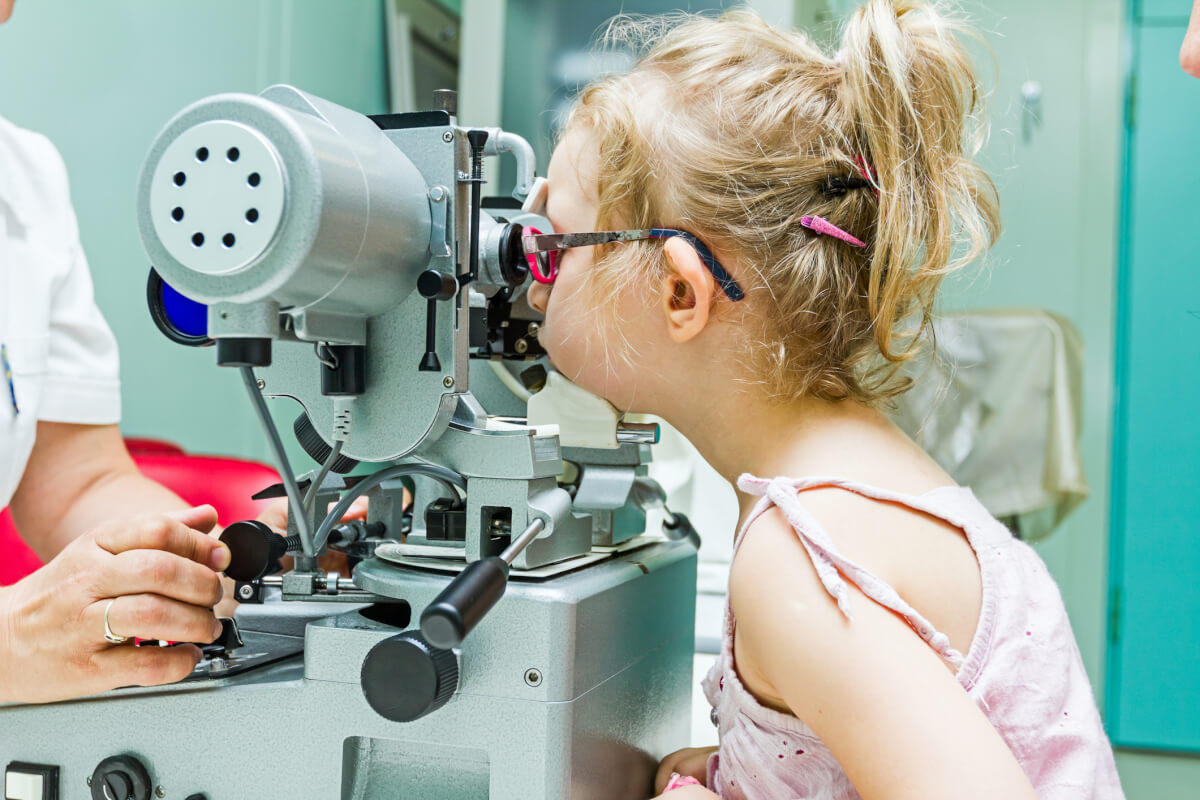
The study’s projections for the future are even more alarming. By 2050, it’s estimated that 39.80% of children and adolescents worldwide will be myopic. This translates to an astounding four in every 10 youths needing prescription glasses, potentially creating a significant public health challenge.
What’s driving this myopia epidemic?
The researchers point to several factors, including increased screen time, reduced outdoor activities, and early introduction to formal education in some cultures. For example, in countries like Singapore and Hong Kong, children as young as two or three years-old often engage in supplementary educational programs before starting formal schooling.
The gender disparity in myopia rates is particularly intriguing. The study suggests that girls may be more prone to myopia due to earlier physical development, less time spent outdoors, and potentially more time devoted to close-range activities like reading.
The study also emphasizes the importance of developing good eye habits early in life. This includes encouraging more outdoor activities, limiting screen time, and ensuring regular eye check-ups. At a broader level, the researchers suggest that governments should implement policies to reduce excessive homework and off-campus tutoring burdens on young students.
“Given the large sample size included, our estimates of the prevalence of myopia are considered to be close to the precise number,” the team writes. “It is crucial to recognize that myopia may become a global health burden in the future.”
Paper Summary
Methodology
The researchers conducted a comprehensive meta-analysis of 276 studies from inception to June 2023. They searched multiple databases for studies on myopia prevalence in children and adolescents between 5 and 19 years-old. The team used statistical methods to pool prevalence estimates and analyze trends over time, across regions, and among different demographic groups.
Key Results
The study found that the global prevalence of myopia among children and adolescents increased from 24.32% in 1990-2000 to 35.81% in 2020-2023. Asia showed the highest prevalence at 35.22%, while Latin America had the lowest at 3.75%. Girls had a higher prevalence (33.57%) compared to boys (30.49%). The study projects that by 2050, 39.80% of children and adolescents worldwide will be myopic, affecting an estimated 740 million individuals.
Study Limitations
The study acknowledges several limitations, including variations in study designs and methods among the included research. There was also potential for selection or measurement bias. The uneven distribution of data among countries within continents could have skewed some continental results. Additionally, the studies used various criteria and procedures for myopia assessment, which could impact the comparability of results.
Discussion & Takeaways
The research highlights the urgent need for global attention to the rising myopia rates among young people. It emphasizes the importance of early intervention, including promoting outdoor activities, limiting screen time, and regular eye check-ups. The study also suggests policy changes to reduce academic pressure on students. The findings underscore the need for region-specific approaches to address this growing epidemic effectively.
Funding & Disclosures
The study was supported by the National Natural Science Foundation of China (No. 82273650). The authors declared no competing interests.


