
(Credit: CI Photos/Shutterstock)
BARCELONA, Spain — In a groundbreaking study that could reshape our understanding of cancer, scientists have uncovered a treasure trove of potential new targets for cancer treatment. This discovery may end up doubling the number of genes doctors can focus on in the fight against this devastating disease.
Researchers at the Centre for Genomic Regulation (CRG) in Spain identified a staggering 813 genes that could be helping cancer cells grow and spread. However, these genes aren’t doing it through mutations, which is what we usually think of when we talk about cancer-causing genes.
Instead, these sneaky genes are using a different trick called “splicing” to help cancer thrive. It’s like they’ve found a backdoor way to cause trouble, and scientists are now hot on their trail.
What is Splicing?
Splicing is a normal process that happens in our cells all the time. Think of it like editing a movie. When cells make proteins (the workhorses of our body), they first make a rough draft from our DNA. Then, they use splicing to cut out the unnecessary bits (called introns) and stick together the important parts (called exons).
In cancer cells, however, this editing process goes haywire. The cells start including or excluding specific exons to create different versions of proteins. Some of these altered proteins can help cancer grow, survive, or even resist drugs. It’s like the cancer cells are creating their own director’s cut of the movie, but this version is dangerous for our health.
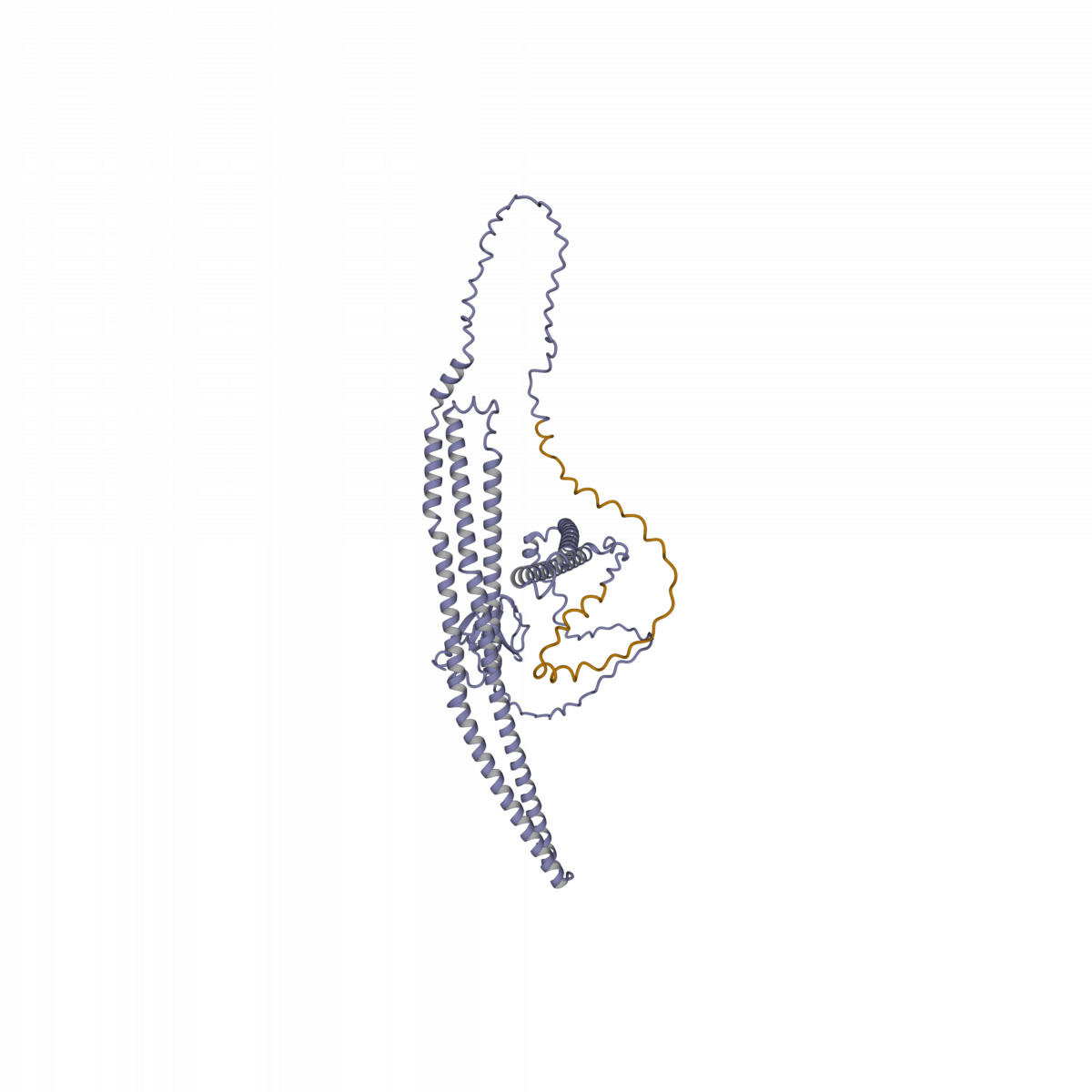
Up until now, cancer research has mainly focused on mutations – changes in the DNA sequence itself. Unfortunately, this new study suggests we’ve been missing half the picture.
“When taking non-mutational mechanisms like splicing into account, we think there could be double as many potential gene targets to control cancer. These are not classic oncogenes but rather represent an entire new class of potential cancer drivers which can be targeted in isolation or in synergy with existing strategies. It’s an incredibly exciting new frontier to explore,” explains Miquel Anglada-Girotto, a PhD student at the CRG and co-author of the study, in a media release.
Meet Spotter: The Cancer-Hunting Algorithm
To find these elusive splicing-related cancer drivers, the researchers created a clever algorithm called “spotter.” This digital detective combed through vast amounts of genetic data, looking for patterns in how cancer cells choose exons during splicing.
Spotter didn’t just identify potential cancer-driving exons; it also ranked them by importance.
“Not only can spotter identify potential cancer-driver exons, which we can then trace back to genes, but it can also rank which exons are more important than others in any given cancer sample. We can use this to validate each exon experimentally so that predictions made by the algorithm are confirmed,” Anglada-Girotto adds.
Of course, predictions are just the first step. The researchers put spotter’s findings to the test in real-world conditions. They analyzed nearly 7,000 patient samples across 13 different types of cancer.
Knowing that splicing plays a bigger role in aggressive, fast-growing cancers, the team used spotter to pinpoint eight specific exons that might be responsible. They then designed drugs to target the splicing of these exons in cancer cells growing in the lab. As hoped, the drugs were particularly effective against rapidly growing cancer cells.

The potential of this research goes beyond just finding new drug targets. The team also explored how spotter could help predict a cancer’s response to treatment.
By combining spotter’s predictions with data from large-scale experiments, they created models to forecast how a cancer cell might respond to a particular drug. When tested on data from 49 ovarian cancer patients, the model could reliably distinguish which patients were likely to be more resistant or sensitive to chemotherapy.
“This could be part of a complementary strategy to understand a patient’s cancer biology and help oncologists determine the best risk-benefit trade-off for cancer treatments and, ultimately, improve patient outcomes,” says Dr. Luis Serrano, Director of the Centre for Genomic Regulation and co-author of the study.
While these findings are incredibly promising, the researchers caution that there’s still a long road ahead before this work translates into new treatments. The predictions made by spotter need extensive validation across more cancer types and patient samples.
“Moving from computational predictions and cell line experiments to effective clinical treatments takes time and involves many challenges. However, because splicing has not been as extensively studied as mutations, there is still a vast amount of uncharted territory to explore which is ripe for new discoveries, some of which could change the way we think about and treat cancer,” concludes Dr. Serrano.
Paper Summary
Methodology
The study utilized an in silico RNA isoform screening approach to identify cancer driver exons, which have the potential to influence therapeutic applications. The researchers started by analyzing large datasets from gene knockdown viability screens, where the reduction of certain gene activity was correlated with changes in cell proliferation.
By combining this information with splicing profiles (which show how RNA is cut and rejoined in various ways to produce different proteins), the team built statistical models. These models predicted how altering splicing at specific exons could affect cancer cell growth. The study then validated their findings by experimenting on a variety of cancer cell lines to confirm whether the predictions matched real-world results. Importantly, the researchers used computational methods to simulate the effects of splicing changes, meaning much of the analysis was done using advanced computer programs rather than in the lab.
Key Results
The study identified 1,073 exons that could potentially influence cancer cell growth, many of which had not previously been associated with cancer. The most interesting discovery was that changing how these exons are spliced can either slow down or speed up cancer cell growth, depending on the specific exon and cancer type. For instance, the researchers found that manipulating the splicing of certain exons in genes like KRAS and SMNDC1, which are important for cell division, had a noticeable effect on cell proliferation.
Additionally, the study demonstrated that alternative splicing might make cancer cells more or less sensitive to drugs. These findings suggest that targeting specific exons could lead to new cancer treatments, especially in highly proliferative cancers.
Study Limitations
One limitation of the study is that it relies heavily on computational predictions, which, although validated by some experimental results, may not always reflect the complexity of real biological systems. The models are based on available data, which might not capture all possible splicing events or their consequences in different cancer types.
Additionally, the experimental validation was conducted in a limited number of cancer cell lines, meaning the results might not be applicable to all cancer types or to in vivo (within the body) conditions. Another limitation is that the study does not fully explore the mechanisms behind why certain exons are more critical in some cancers than others, leaving room for further investigation.
Discussion & Takeaways
The study highlights the importance of alternative splicing in cancer progression and the potential of targeting specific exons as a therapeutic strategy. The key takeaway is that splicing can offer a new avenue for cancer treatment, particularly by identifying exons that act as “drivers” of cancer cell proliferation. The researchers’ computational model, which predicts how changes in splicing might affect drug sensitivity, also opens up opportunities for personalized medicine, where treatments are tailored to a patient’s specific cancer profile.
This work paves the way for future studies to explore how different cancers might respond to splicing-targeted therapies and how these therapies could be integrated with existing treatments.
Funding & Disclosures
The research was conducted at the Centre for Genomic Regulation (CRG) in Barcelona and involved collaboration with ETH Zurich and the Universitat Pompeu Fabra. Funding for the study was provided by grants from the Plan Estatal de Investigación Científica y Técnica y de Innovación, with no significant conflicts of interest reported by the authors. The authors provided data and models through publicly accessible platforms, such as the spotter framework available on GitHub, ensuring transparency and facilitating further research in this area.


