
(Credit: Iryna Imago/Shutterstock)
The Endocrine Society’s new guidelines are calling for people to limit vitamin D supplementation beyond the daily recommended intake to specific risk groups only. The group also advises against routine 25-hydroxyvitamin D [25(OH)D] testing in healthy individuals.
The new guidelines advise people to limit their vitamin D supplementation to recommended daily doses.
If you’ve had a complete physical examination in the past few years, your healthcare provider probably checked the vitamin D level in your blood. It was becoming the standard of care. If your vitamin D level was normal – great. If your level was a little less than normal, your provider probably gave you a prescription for a daily dose of vitamin D.
With that in mind, I hope you asked your doctor what was risky about a slight vitamin D deficiency. However, the answer is no one knows, exactly.
So, what will a prescription for vitamin D treat? It will treat the lab number! We have a saying in medicine. We treat people, not lab values. That means it’s time for a change in managing vitamin D’s roles in health and diseases.
There is new data on the role of vitamin D in mortality among people older than 75 years, its benefit in children with respiratory illness, and the potential benefit of vitamin D during pregnancy.
The Endocrine Society presented the new guidelines at its annual meeting. They advise that the people who may benefit from Vitamin D supplementation are:
- Children 1-18 years-old, to prevent rickets and to potentially lower the risk for respiratory tract infections.
- Pregnant people, to decrease the risk for maternal, fetal, or neonatal complications.
- Adults older than 75, to lower the risk for mortality.
- Adults with prediabetes, to lower the risk for Type 2 diabetes.
In those groups, the recommendation is for daily vitamin D supplementation of more than what was recommended in 2011 by the National Academy of Medicine (NAM), which was then called the Institute of Medicine (IOM). That daily recommended dose was 600 IU/d for people 1 to 70 years-old and 800 IU/d for those older than 70. The society’s guidelines acknowledge that the ideal dose of vitamin D is still not known, but they’re providing the dose ranges that were used in the trials, which were cited as evidence for the recommendations.
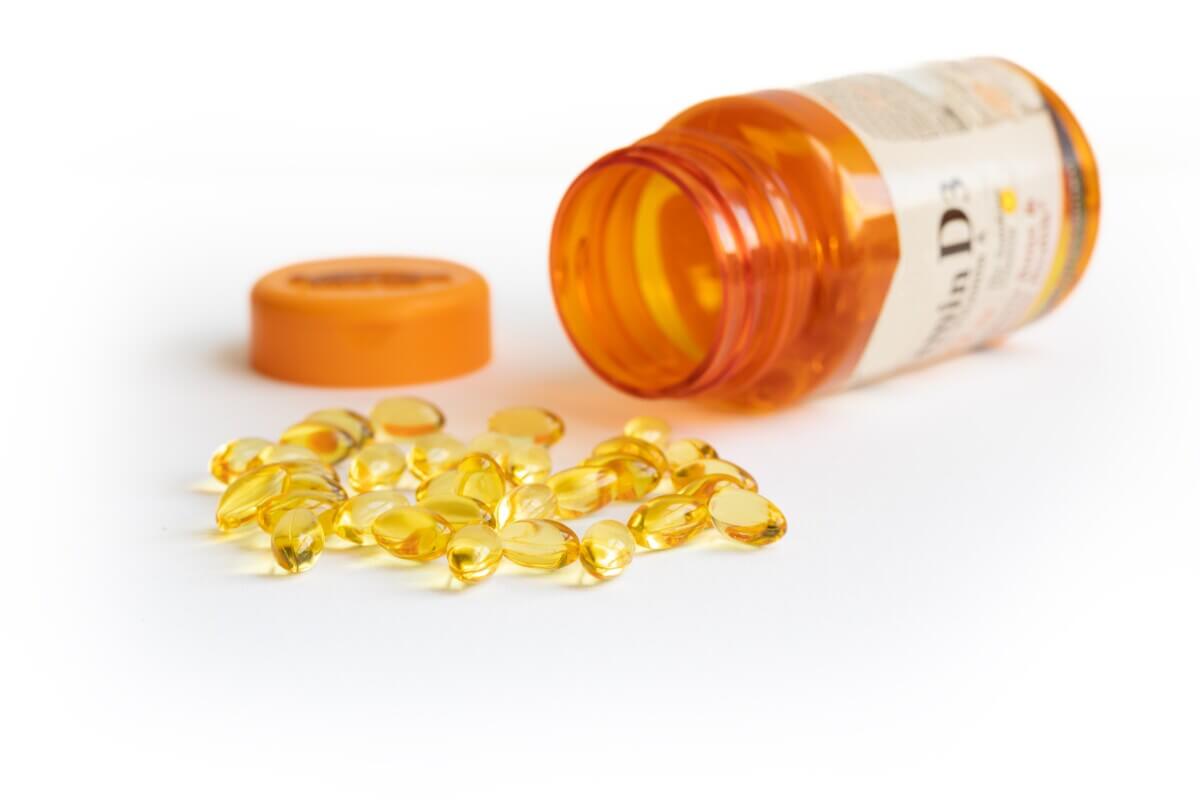
The guidelines advise against greater doses of vitamin D than the recommended daily intake for most healthy adults younger than 75 and recommends against testing for blood vitamin D levels among the general population.
This guideline refers to people who are otherwise healthy, and there is no clear indication for needing more vitamin D. Although screening for vitamin D is common in clinical practice, the recommendation against doing so makes sense. There is a lack of evidence from randomized clinical trials to answer many important questions. Without data from large scale clinical trials, healthy vitamin D levels and appropriate intake of vitamin D for health and disease prevention cannot be determined.
Some physicians were disappointed that the document was limited to healthy people. The new guidelines, they objected, do not provide sufficient guidance for practicing physicians about how to manage complex patients, such as those with chronic kidney disease or inflammatory bowel disease. There was also a lack of guidance for patients with osteoporosis or osteopenia. These insufficiencies support the need for large clinical trials on the many questions there are about the need for and role of vitamin D in health and disease.


Always good to see articles of this nature. But the one glaring issue is that supplement companies don’t seem to listen, with doses 1000IU or great in most all brands. My (70yo) wife use to take a MV that had 2k IU , a recent test should she had 25OHD levels above 150. WTF? So she had to stop the MV to get her readings back to normal. And NO doctor has been able to explain why an otherwise health 70yo woman 25ohd would be so high from just 2000 IU a day. Thanks medical system! Now I need a MV that has no Vit D. few and far between! Thanks for the article!
According to the Vitamin D Society 2011 IOM Guidelines on Vitamin D that were recently adopted by the Edocrine Society are out of date. ( https://www.vitamindsociety.org/ )
Key Points
Updated vitamin D guidelines just released by the Endocrine Society suggest that most adults should take no more than the recommended daily allowance (RDA) as set by the outdated (2011) Institute of Medicine (IOM) document; however, this recommendation has led to high rates of deficiency and associated diseases, harming the population worldwide
In addition, the new guidelines do not advise testing 25(OH)D levels among any population, even for the vulnerable, nor do they define a sufficiency level; this recommendation is short-sighted, dangerous, and confusing, and is a significant step backward from what the Endocrine Society previously recommended for vitamin D in 2011
GrassrootsHealth and leading vitamin D experts are now asking for support from others, especially asking those in the vitamin D scientific field to acknowledge this Call to Action and join the effort to counter the information set in these outdated guidelines for vitamin D
https://www.grassrootshealth.net/update-vitamin-d-guidelines-leads-confusion-urgent-call-action/