
(Credit: oleschwander/Shutterstock)
BELLEVUE, Wash. — In the ongoing battle against obesity, two contenders have emerged as powerful allies: semaglutide and tirzepatide. These injectable medications, part of a class called GLP-1 receptor agonists, have shown impressive results in helping people shed pounds. So, which one is more effective? A new study published in JAMA Internal Medicine set out to answer this question, comparing the two drugs head-to-head in a real-world setting.
Obesity is a major health concern affecting millions of people worldwide. It increases the risk of various health problems, including heart disease, diabetes, and certain cancers. While diet and exercise remain the cornerstone of weight management, for many individuals, these lifestyle changes alone aren’t enough. That’s where medications like semaglutide and tirzepatide come in.
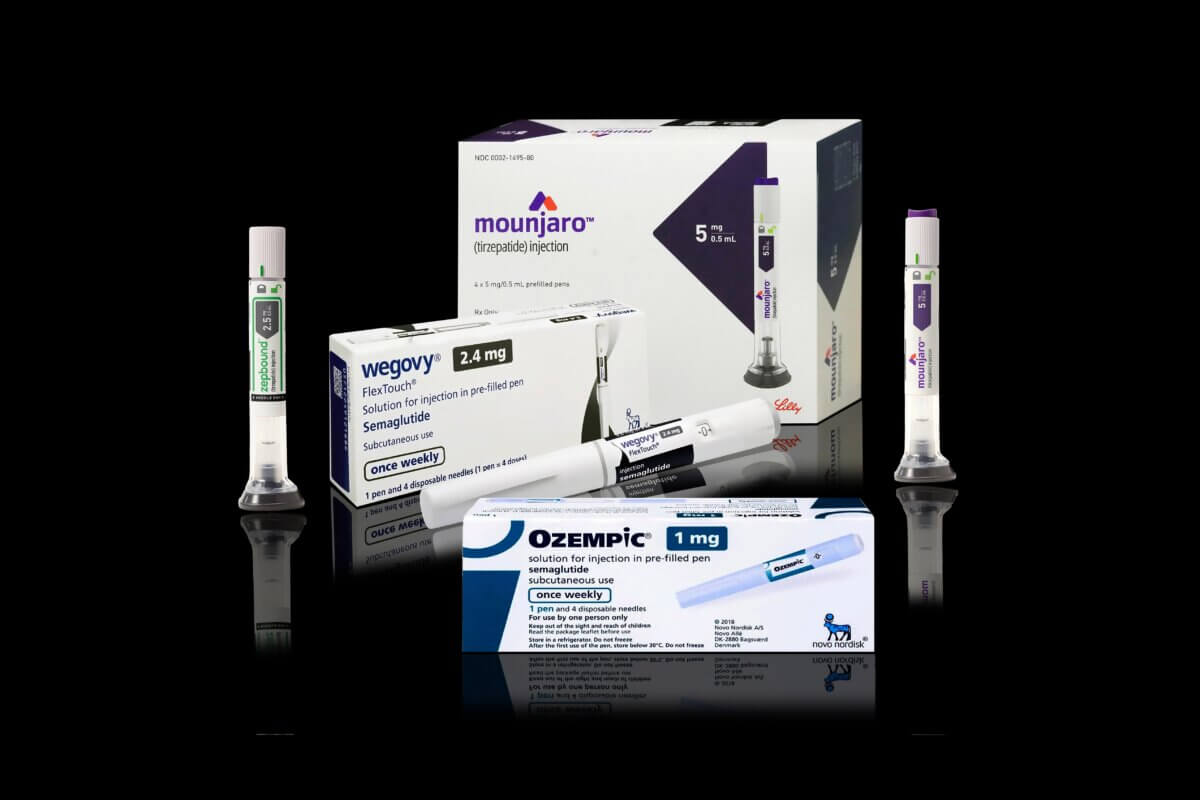
These drugs work by mimicking hormones in our body that regulate appetite and metabolism. They help people feel fuller for longer and can also affect how the body processes sugar and fat. Semaglutide, sold under the brand name Ozempic for diabetes and Wegovy for weight loss, has been making headlines for its effectiveness. Tirzepatide, marketed as Mounjaro, is a newer drug that acts on an additional hormone receptor, potentially offering even greater benefits.
The study, led by researchers from Truveta Inc. and Providence Health System, looked at over 40,000 adults with overweight or obesity who started taking either semaglutide or tirzepatide between May 2022 and September 2023. After matching patients to ensure a fair comparison, they ended up with two groups of about 9,200 people each.
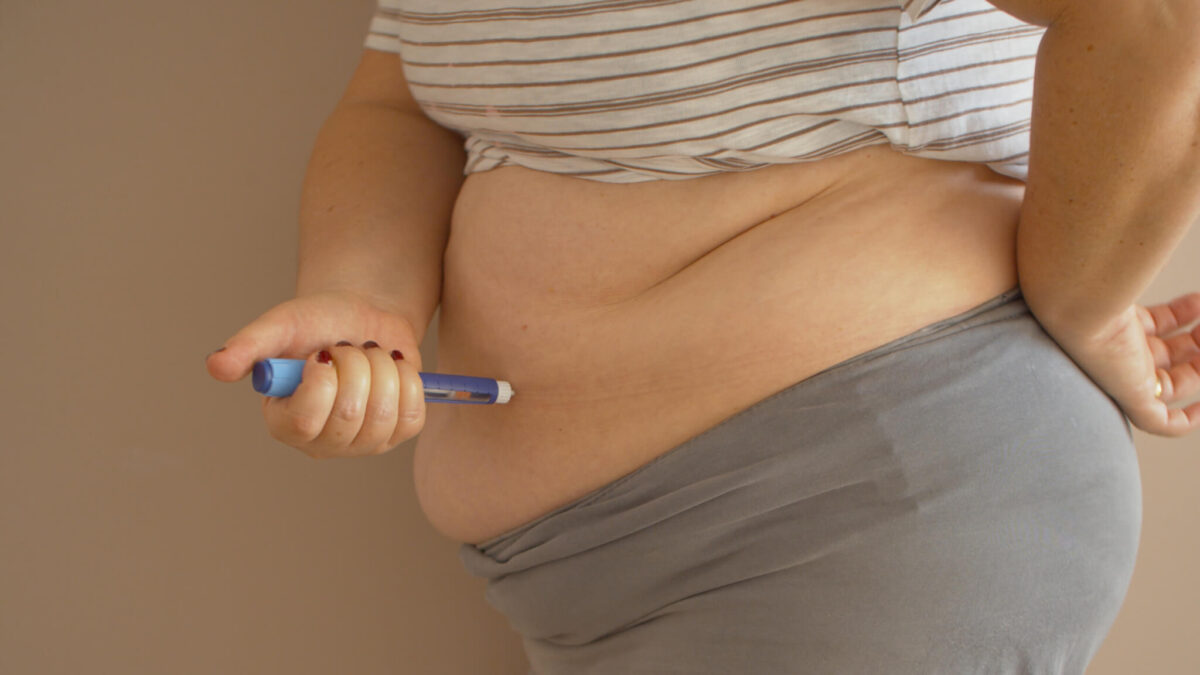
So, what did they find? In short, both medications led to significant weight loss, but tirzepatide came out on top. After one year of treatment, 81.8% of people taking tirzepatide lost at least 5% of their body weight, compared to 66.5% of those on semaglutide. Even more impressively, 42.3% of the tirzepatide group lost 15% or more of their body weight versus 18.1% in the semaglutide group.
To put this in perspective, for someone weighing 200 pounds, a 15% weight loss would mean shedding 30 pounds. That’s a substantial amount that can lead to meaningful health improvements, such as better blood sugar control, lower blood pressure, and reduced joint pain.
The average weight loss after a year was also noteworthy: 15.3% for tirzepatide and 8.3% for semaglutide. This means tirzepatide users lost nearly twice as much weight on average.
Interestingly, the study found that people without Type 2 diabetes tended to lose more weight than those with the condition, regardless of which drug they were taking. This could be due to various factors, including differences in metabolism or medication dosing.
One concern with weight loss medications is side-effects, particularly gastrointestinal issues like nausea or constipation. However, this study found no significant differences in the rates of these side effects between the two drugs.
While these results are promising, it’s important to note that neither drug is a magic solution. Many people in the study stopped taking the medications before the year was up, highlighting the challenges of long-term use. Additionally, these drugs can be expensive and may not be covered by insurance for weight loss, especially for those without diabetes.
As obesity rates continue to climb, having effective medical treatments is crucial. This study suggests that both semaglutide and tirzepatide can be valuable tools in weight management, with tirzepatide potentially offering an edge in effectiveness. However, as with any medical treatment, the choice between these drugs should be made in consultation with a healthcare provider, considering individual health needs and circumstances.
Paper Summary
Methodology
The researchers used electronic health records and medication dispensing information to identify adults with overweight or obesity who started taking either semaglutide or tirzepatide. To ensure a fair comparison, they used a technique called propensity score matching, which is like creating “twin pairs” of patients who are similar in all respects except for which drug they’re taking. They then tracked these patients’ weight changes over time, looking at how many achieved certain weight loss milestones and the average weight loss at three, six, and 12 months.
Key Results
The study found that tirzepatide users were more likely to achieve significant weight loss milestones:
- 5% or more weight loss: 81.8% (tirzepatide) vs 66.5% (semaglutide)
- 10% or more weight loss: 62.1% vs 37.1%
- 15% or more weight loss: 42.3% vs 18.1%
Average weight loss at 12 months was 15.3% for tirzepatide and 8.3% for semaglutide. These differences were consistent across various subgroups and analysis methods.
Study Limitations
The study was observational, not a randomized trial, so there could be unmeasured factors influencing the results. Also, many patients discontinued treatment before the end of the study period.
Researchers note the study relied on clinical data, which may not capture all relevant information. The geographic distribution of patients wasn’t representative of the entire U.S. population.
Discussion & Takeaways
Both medications led to significant weight loss, but tirzepatide appeared more effective. The results were consistent with previous clinical trials but showed the drugs’ effectiveness in a real-world setting. People without Type 2 diabetes tended to lose more weight than those with the condition.
More research is necessary to understand long-term effects, reasons for discontinuation, and impacts on other health outcomes. While these drugs show promise, they should be used as part of a comprehensive weight management plan, including lifestyle changes.


