
Are plastic bag bans actually making a difference? (WESTOCK PRODUCTIONS/Shutterstock)
In a nutshell
- Plastic bag laws significantly reduce litter: Areas with bans or fees saw a 25 to 47 percent drop in plastic bag litter on shorelines compared to places without such policies.
- Fees may be more effective than bans: While all policy types helped, bag fees appeared to reduce litter more than bans, especially compared to partial bans that allow thicker “reusable” bags.
- The biggest improvements happened where they were most needed: Places with high levels of plastic bag litter before policy implementation saw the strongest reductions, and the benefits lasted for at least five years.
NEWARK, Del. — When California banned plastic bags in 2016, critics said it wouldn’t make a real difference. Turns out they were wrong. A massive new study tracking nearly half a century of beach cleanups across America shows that plastic bag bans and fees reduce the amount of plastic bag litter washing up on our shores.
Researchers analyzed data from 45,067 shoreline cleanups conducted by volunteers between 2016 and 2023, creating the largest-ever study of how plastic bag policies affect environmental pollution. Their findings, published in Science, reveal that areas with plastic bag bans or fees saw plastic bag litter drop by 25 to 47 percent compared to places without such policies.
Plastic bags rank as the fifth most common item found during U.S. beach cleanups, trailing only cigarette butts, food wrappers, bottle caps, and plastic bottles. Over the course of the study, plastic bags made up an average of 4.5 percent of items collected during shoreline cleanups, though that number jumped to 6.7 percent in 2023.
More than 100 countries have implemented some form of plastic bag regulation, but 17 U.S. states have passed laws that actually prohibit local communities from regulating plastic bags. Meanwhile, 175 countries are currently negotiating the world’s first global treaty to address plastic pollution.
Do Plastic Bag Bans Work?

To understand whether plastic bag policies actually reduce environmental litter, researchers from Columbia University and the University of Delaware took advantage of America’s fragmented approach to plastic bag regulation. Between 2008 and 2023, 611 different state, county, and local governments implemented various types of plastic bag policies, creating what researchers describe as a useful testing ground for comparing different approaches.
Bag policies generally fall into three categories. These include complete bans that prohibit retailers from distributing any plastic bags; partial bans that only restrict thin disposable bags while allowing thicker “reusable” ones; and fees that charge customers 5 to 25 cents per bag. As of December 2023, about one in three Americans (116 million people) lived in areas with some type of plastic bag law.
The researchers matched cleanup locations with local plastic bag policies, tracking how litter patterns changed before and after regulations took effect. They focused on 182 policies implemented between 2017 and 2023 that occurred in areas where beach cleanups were conducted.
The study didn’t just compare areas with and without policies at a single point in time. Instead, researchers tracked the same locations over multiple years, observing how plastic bag litter changed as policies were implemented. This approach helps rule out the possibility that certain types of communities were simply more environmentally conscious to begin with.
Fees Beat Bans, State Laws Work Best
Fees appeared to work better than bans at reducing litter, though the researchers note that fee-based policies were less common, making the comparison less certain. Partial bans, which allow thicker plastic bags, showed the smallest effects, likely because many stores simply switched to offering thicker bags that customers often still treat as disposable.
State-level policies were the most effective, followed by county and local ordinances. The researchers found similar effects along ocean coasts and rivers, with some evidence that lake shorelines saw even larger reductions in plastic bag litter.
The policies also worked best in places that needed them most. Areas with high levels of plastic bag litter before implementing policies saw the biggest improvements, while places that already had low plastic bag litter showed minimal change. In high-litter areas, plastic bags made up about 13.2 percent of collected items before policies took effect.
Benefits appeared to grow stronger over time, with no evidence that people simply returned to old habits after the initial adjustment period. The positive effects lasted at least five years without any rebound.
How Wildlife is Affected
Plastic bag policies may also be helping wildlife, though the evidence isn’t as concrete. The study found a 30 to 37 percent reduction in reports of entangled animals found during beach cleanups in areas with plastic bag policies, though researchers say this finding is imprecise because plastic bags aren’t the only cause of animal entanglement.
Plastic pollution has become a global crisis, with plastic debris now found everywhere from the deepest ocean trenches to the summit of Mount Everest. Marine animals suffer when they ingest plastic, leading to fatal digestive blockages, or become entangled in plastic debris.
Economic costs add up too. Some estimates put the global social costs of marine plastic pollution at more than $100 billion annually, affecting everything from tourism to fishing industries to waterfront property values.
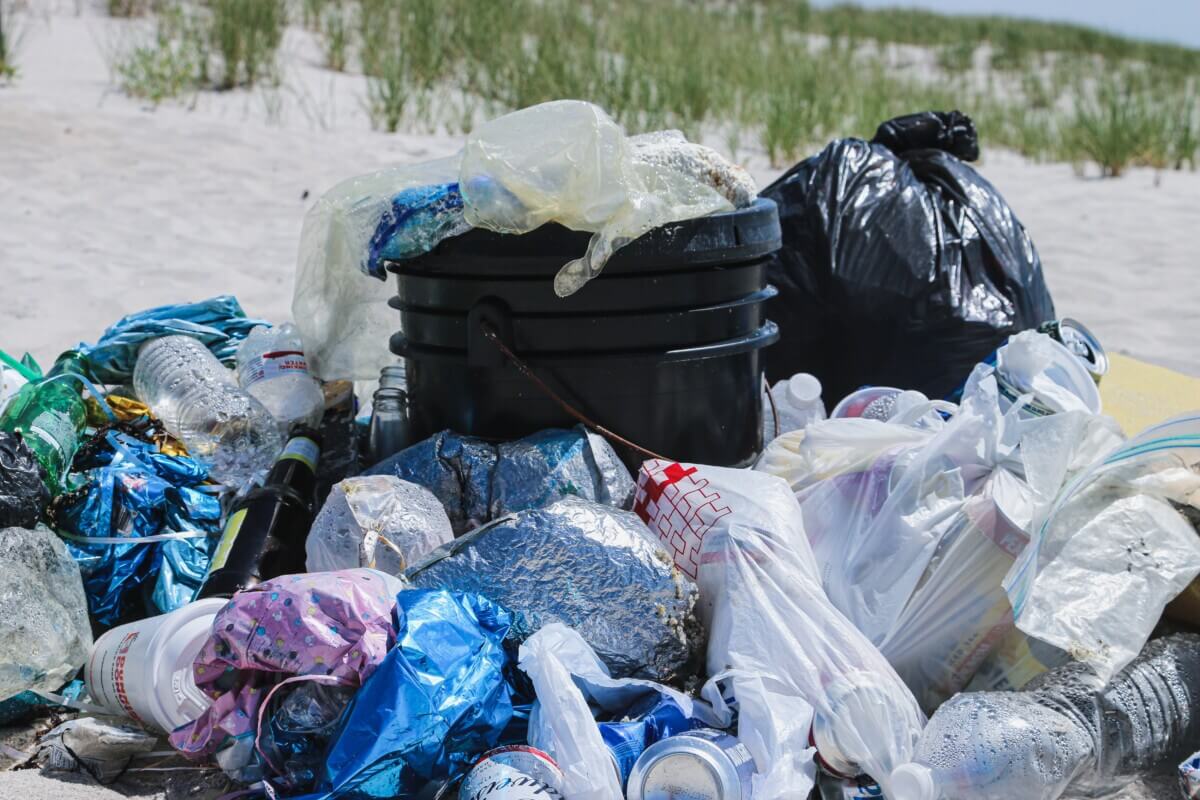
Rather than relying on computer models or laboratory experiments, the researchers analyzed actual litter data collected by tens of thousands of volunteers across the United States. These citizen scientists picked up trash along coastlines, rivers, and lakes, carefully cataloging what they found.
This discovery would be impossible to achieve through traditional research methods. While beach cleanups don’t capture all aquatic litter, they can be used as a reasonable way to measure the overall reduction in plastic bag pollution that these policies achieve.
The researchers also conducted several tests to ensure their findings weren’t influenced by other factors. They looked at whether plastic bag policies affected other types of litter; they didn’t. They checked whether COVID-19 pandemic changes might have skewed results; they found no evidence of this either.
A Policy That Works
Environmental policies often face criticism for being ineffective or purely symbolic, but this study provides concrete evidence that well-designed plastic bag regulations deliver actual environmental benefits. Expanding plastic bag bans and fees could continue reducing plastic pollution, particularly in areas where such litter is common.
Paper Summary
Methodology
Researchers analyzed data from 45,067 shoreline cleanups conducted between 2016 and 2023, combined with information on 611 plastic bag policies implemented across the United States. They used citizen science data from the Ocean Conservancy’s cleanup program, where volunteers count and categorize litter items. The study employed difference-in-differences statistical methods to compare plastic bag litter before and after policy implementation, controlling for trends in areas without policies. Data was aggregated to grid cells of approximately 11 kilometers and analyzed by year to match policy timing.
Results
Areas with plastic bag policies saw 25-47% reductions in plastic bags as a share of total cleanup items compared to areas without policies. Fee-based policies appeared more effective than bans, while partial bans showed the smallest effects. State-level policies were most robust, and effects were strongest in areas with initially high plastic bag litter. The benefits grew over time with no evidence of rebound effects within five years. The study also found suggestive evidence of 30-37% reductions in animal entanglement, though this finding was less precise.
Limitations
The study relies on shoreline cleanup data as a proxy for overall plastic pollution, which may not capture all environmental litter. Animal entanglement findings were imprecise because plastic bags aren’t the only cause of entanglement. The research focused only on the United States, limiting global applicability. Some policy types, particularly fees, had smaller sample sizes making comparisons less precise. The study couldn’t definitively determine why fee-based policies appeared more effective than bans.
Funding and Disclosures
Anna Papp acknowledges financial support from the Property and Environment Research Center (PERC). The authors declare no competing interests. The research was conducted at Columbia University’s School of International and Public Affairs and the University of Delaware’s School of Marine Science and Policy.
Publication Information
The study, “Plastic bag bans and fees reduce harmful bag litter on shorelines,” is authored by Anna Papp and Kimberly L. Oremus. It was published in Science on June 19, 2025. Data and code are available through the Inter-university Consortium for Political and Social Research (ICPSR).


Nice study, but without wind/weather history comparison, I would think it’s very difficult to definitively state success. An outright ban across the country/world is perhaps the best option.