
(Photo by oneinchpunch on Shutterstock)
Study shows why optimistic realists may be best equipped to handle adversity
CORVALLIS, Ore. — When life hands you lemons, make lemonade – but how exactly do you turn sour circumstances into something sweeter? It turns out that being youthfully imaginative could be the key. A new study suggests that playful people demonstrate an enhanced ability when it comes to resilience, finding silver linings and creative solutions even in difficult situations.
Researchers from Oregon State University and Vanderbilt University examined how adults with different levels of playfulness responded during one of modern history’s most challenging periods – the COVID-19 pandemic. Their findings, published in Frontiers in Psychology, reveal that playful people don’t just wear rose-colored glasses; they wield what the researchers call a “color spotlight,” which selectively highlights opportunities for growth and enjoyment while maintaining realism about difficult situations.
“Playfulness doesn’t distort reality – it enhances it,” explains lead researcher Dr. Xiangyou “Sharon” Shen, an assistant professor in the OSU College of Forestry and the director of the Health, Environment and Leisure Research Lab (HEAL), in a statement. Instead of naively believing everything will work out, playful individuals actively reframe their circumstances in ways that make life more engaging, regardless of how tough a situation might be for them.
While previous research has linked playfulness to better health outcomes and greater happiness, this study is one of the first systematic investigations into how playful people perceive and respond to their environment differently than their less playful counterparts. The results describe a phenomenon the authors refer to as “lemonading” – acknowledging life’s hardships while actively creating positive experiences within constraints.
Lemonading In Challenging Times
Drawing from a nationwide sample of 503 American adults during the peak of the second COVID-19 wave in early 2021, researchers identified patterns in how playful individuals navigated pandemic challenges compared to their less playful peers. Study participants spanned ages 20 to 79, with diverse representation across gender, race, and education levels.
One of the most notable findings was that playful people assessed current risks and challenges similarly to their less playful counterparts. They weren’t delusional optimists – they recognized the seriousness of infection risks and the burden of preventative measures just as clearly as others. However, their outlook on the future was significantly more optimistic, suggesting that playfulness is associated with a stronger tendency to anticipate positive future outcomes.
More playful individuals demonstrated significantly higher levels of “resilient coping” – actively adjusting to difficult situations, finding creative solutions, and viewing challenges as opportunities for growth. While they experienced similar feelings of vulnerability and isolation as others during lockdowns, they were significantly better at adapting their behaviors to stay engaged, whether through exploring new outdoor locations or modifying how they pursued their interests.
“Highly playful people were just as realistic about COVID-19 risks and challenges as others, but they excelled at lemonading,” says Dr. Shen. “They actively altered challenging situations, found creative substitutes for what was lost, viewed obstacles as opportunities for growth, and maintained a strong sense of control over their responses.”
This adaptive approach extended to leisure activities. Although playful people didn’t necessarily engage in a higher quantity or broader variety of activities than others, they reported substantially higher-quality experiences, characterized by greater immersion, increased energy, and more positive emotions.
Not Exactly Rosy
The researchers liken this pattern to wielding a “color spotlight” rather than wearing “rose-tinted glasses.” Instead of viewing everything in a universally positive way, playful people selectively looked for ways to make situations more tolerable without losing sight of what made them challenging.
“While rose-tinted glasses would color everything positively, potentially distorting reality, the ‘color spotlight’ effect we observed is more selective,” Shen explained. “Playful individuals didn’t minimize COVID-19 risks or overestimate the effectiveness of protective measures. They directed their ‘spotlight’ toward possibilities for positive change and growth, illuminating potential paths forward even in dark times.”
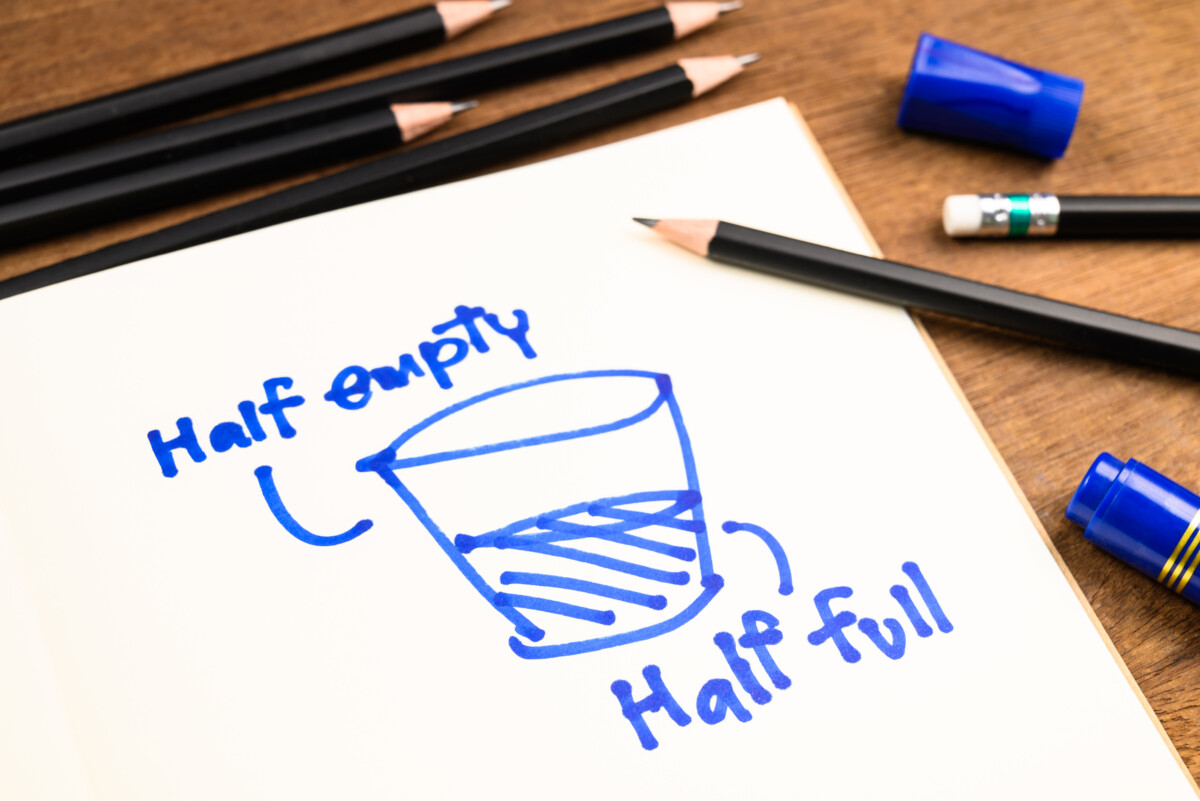
This selective attention was particularly evident in future outlooks. While clear-eyed about present difficulties, playful individuals showed a stronger tendency toward optimism about eventual improvements and a return to normalcy. This future-focused optimism, combined with a capacity for creative coping strategies, appears to be a key factor in their resilience.
But what drives these differences? The study suggests that playful people possess a distinct combination of “fun-seeking motivation” and “uninhibitedness” – they are both intrinsically drawn to enjoyment and less constrained by conventional thinking about how to achieve it. This cognitive flexibility enables them to identify and generate positive experiences even in difficult circumstances.
Using Playfulness To Build Resilience
Critically, this isn’t about denial or toxic positivity. Playful individuals did not differ from others in their assessment of risks or challenges – they were simply more adept at working within those realities to maintain well-being. They exemplified the ability to create positive experiences without disregarding hardships.
These findings suggest that playfulness really can be a stepping stone to building resilience, influencing both cognitive and behavioral strategies for coping with adversity. While the study does not claim that playfulness is an easily teachable skill, understanding how it operates could inform interventions aimed at enhancing well-being during difficult times.
After all, life will always serve up lemons. The question isn’t whether we can avoid them, but how effectively we respond. “Understanding how playful individuals navigate adversity can inform strategies to help people cope with stress and uncertainty,” says Dr. Shen. “This is particularly relevant as we face increasing global challenges that require both realistic assessment and creative adaptation.”
Paper Summary
Methodology
Researchers used an online survey distributed through the Prolific platform to collect data from 503 U.S. adults during the first two weeks of February 2021. Participants completed the Adult Playfulness Trait Scale (APTS) to measure their baseline playfulness levels. The researchers then created two groups – high playfulness and low playfulness – based on participants’ scores, and compared their responses across 19 different variables measuring perceptions, emotions, and behaviors during the pandemic.
Results
The study found three key patterns: 1) Playful people shared similar perceptions of current risks but maintained more optimistic future outlooks, 2) They experienced similar levels of vulnerability and isolation but showed higher resilience and adaptive coping, and 3) They participated in similar activities but reported higher quality experiences marked by greater immersion and positive emotions.
Limitations
The research was conducted during the unique circumstances of the COVID-19 pandemic, so findings might not fully generalize to less challenging periods. Additionally, while researchers controlled for demographic variables, they acknowledge that other mediating factors might influence the observed differences between more and less playful individuals.
Key Takeaways
The study advances our understanding of how playfulness influences perception and behavior, suggesting it operates as a selective spotlight rather than a blanket positive bias. The findings highlight playfulness as a potential tool for building resilience and maintaining well-being during adversity, operating through both cognitive reframing and behavioral adaptation.
Funding and Disclosures
The study was supported by the Hallie E. Ford Center for Healthy Children and Families at Oregon State University. The authors declared no conflicts of interest.
Publication Information
Published in Frontiers in Psychology on February 10, 2025, titled “How does playfulness (re)frame the world? Evidence for selective cognitive and behavioral redirecting in times of adversity” by Xiangyou Shen and Zoe Crawley. DOI: 10.3389/fpsyg.2024.1462980


