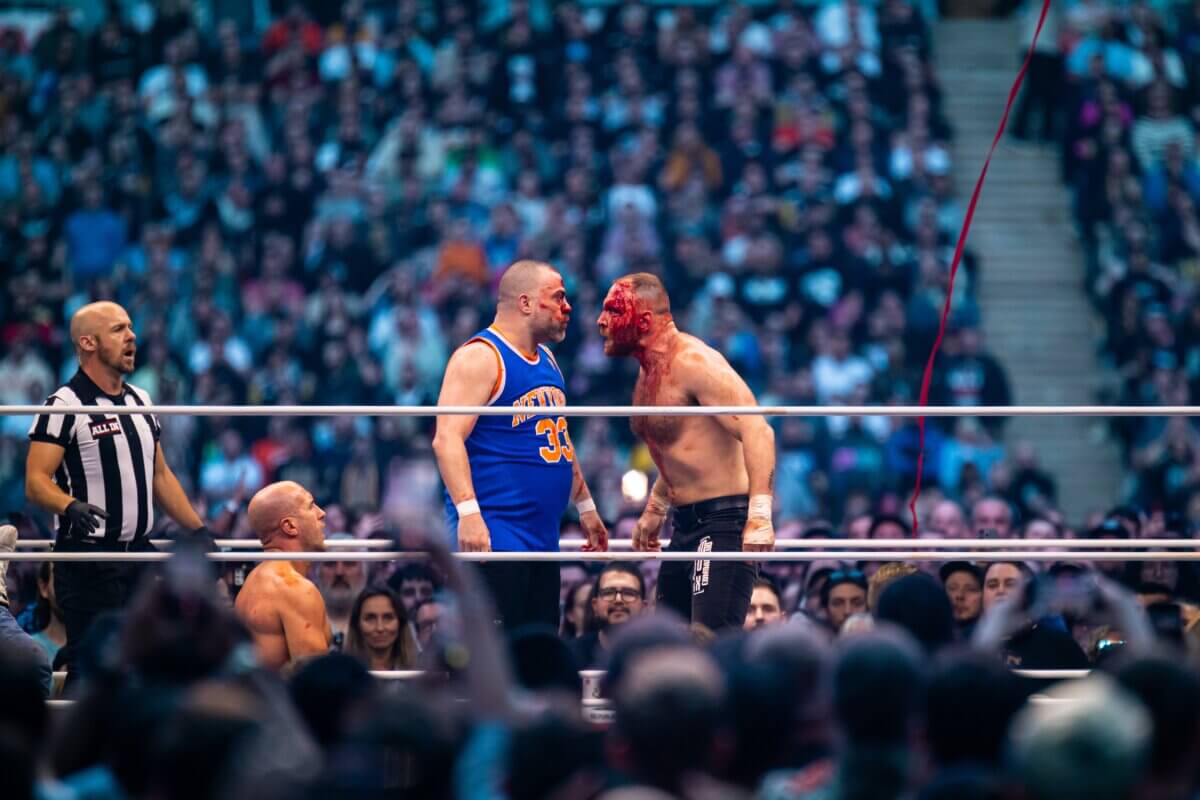
London, England - August 27 2023: A bloody Jon Moxley faces off with Eddie Kingston at AEW All In at Wembley Stadium. (Photo by Arthur Cauty on Shutterstock)
In the recent Netflix docuseries “Mr. McMahon” (2024), former wrestler and bodybuilder Tony Atlas claimed: “We would have been looked upon, in today’s society, as some of the worst human beings walking the face of the Earth.”
Abusive behavior, violent risk-taking, scandals, drug use, misogyny, homophobia and racism have characterized professional wrestling since its inception from the 19th-century fairground onwards. Even during the filming of Mr. McMahon, which explored the controversial career of the professional wrestling promoter Vince McMahon, allegations of real-life misdemeanors hit the news.
For all its performativity and spectacle, wrestling is decidedly dangerous. The risks of wrestling have been captured on the big screen by movies such as “The Wrestler” (2008) and, most recently, “Iron Claw” (2024). While it is one of the biggest entertainment industries in the world, its troubled history remains difficult to reconcile for both fans and wrestlers.
As Atlas’s rather sheepish comment might suggest, there is no doubt that professional wrestling is safer and more equitable today than it was in the 1990s. And yet, as the 2020 #SpeakingOut movement showed in graphic detail, there is much more to be done. Several wrestlers took the brave step of sharing their experiences of “locker room” culture and widespread sexual harassment as part of the online campaign.
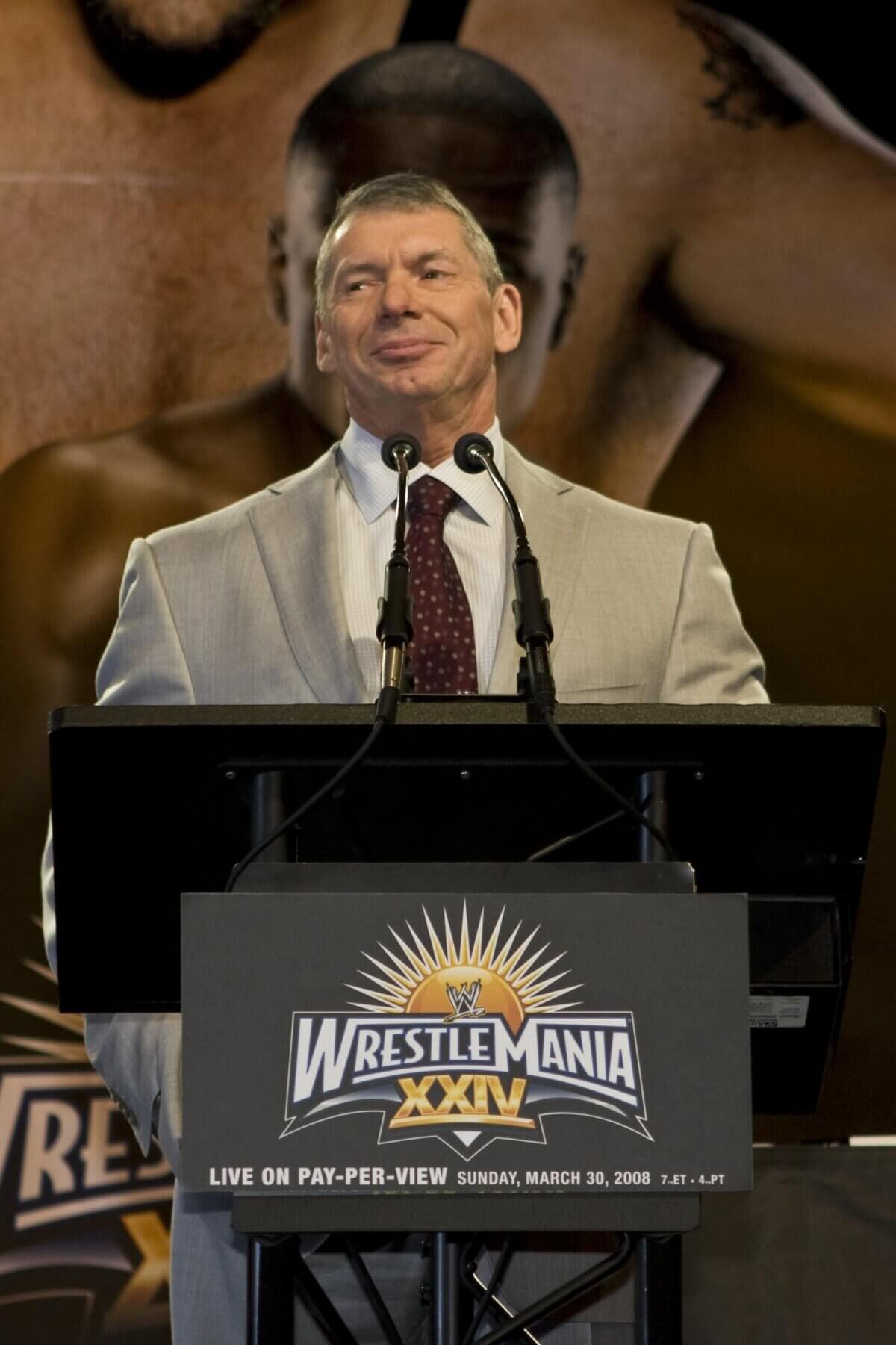
There are, however, some barriers to making improvements. As I have explored in my research, wrestling’s unusual identity as not-quite-a-sport, not-quite-an-art but probably-both-and-neither, means it does not come under typical jurisdictions or guidelines.
Because wrestling is difficult to define it is, therefore, difficult to legislate and virtually impossible to govern in any meaningful way. This allows things to unintentionally (or sometimes intentionally) fall through regulatory gaps.
Set up a rugby club tomorrow and the Rugby Football Union would soon be knocking on your door to ask about concussion protocol or safeguarding. Set up a wrestling school or promotion and, well, no-one will demand anything.
In 2024, as part of our health and wellbeing in professional wrestling project, fellow researchers Dominic Malcolm, Anthony Papathomas and I spoke to many involved in the wrestling community. We asked them about challenges and opportunities in the sector.
Some comments could be as true for rugby as for wrestling: downplaying injury to secure that important spot on the card, performing a macho-masculine sense of resilience, acknowledging that there are always physical risks associated with contact sports. However, other reflections illustrated wrestling’s particular challenges.
In a world where performers play at injury all the time for effect, it is difficult for referees and promoters to know if a real injury has occurred. Wrestlers (like many sportspeople) typically refuse to end a match prematurely in the case of an injury.
But, whereas rugby has coaches to drag a player off and other players on the sideline keen to enter the fray, choosing to end a wrestling match has real financial and personal repercussions. Not to mention the way that a real injury immediately punctures the edifice of the fictional wrestling world.
Couple all this with a serious lack of concussion protocols, spotty healthcare provision and economic precarity (even at the very top, wrestlers are independent contractors) and it is clear that professional wrestling still has issues.
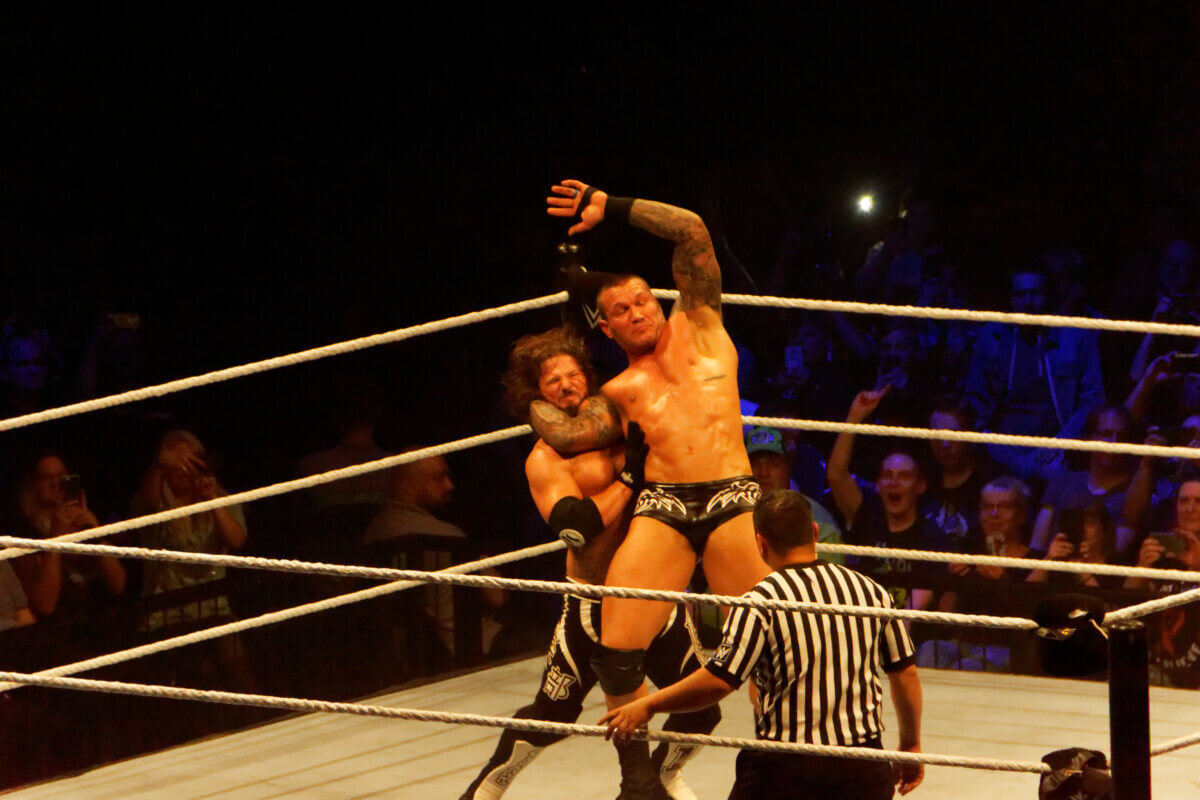
Is there a way of truly initiating change here? As a wrestling scholar, fan and co-founder (with Sam West and John Kirby) of Wrestling Resurgence, an arts organization dedicated to celebrating contemporary wrestling culture, I am hopeful without being naive.
I have been encouraged by my work with the all party parliamentary group for professional wrestling, an equitable collective who truly want to help. There are trainers developing a grading system, MPs trying to push through policy and promoters genuinely trying to work together to advocate for equitable pay. Established wrestlers are assisting emerging talent and Equity, the actor’s union, is fighting for better contracts.
Ultimately I believe change will come through a combination of wrestler and fan pressure, rather than a top-down approach. When wrestlers demand safe work environments, equitable payment and clean changing rooms and fans take their money to companies who care for the wrestlers they support, then good practices will begin to financially – and morally – make sense.
Claire Warden, Professor of Performance and Physical Culture, Loughborough University
This article is republished from The Conversation under a Creative Commons license. Read the original article.


