
Chronic fatigue syndrome is akin to always feeling like your battery is low. (Image by Single Line on Shutterstock)
Breakthrough study identifies molecular patterns in blood that could help distinguish ME/CFS patients from healthy individuals
In A Nutshell
- Researchers analyzed blood plasma from 93 ME/CFS patients and 75 matched healthy controls, focusing on cell-free RNA.
- Machine learning models identified a 21-gene signature that distinguished patients from controls with up to 77% accuracy in a test set.
- ME/CFS patients showed immune differences, including more plasmacytoid dendritic cell- and monocyte-derived RNA and less platelet-derived RNA.
- No significant differences were found in viral RNA levels, and the test is still in early research stages, therefore not ready for clinical use.
ITHACA, N.Y. — After decades of medical skepticism and patients being told their debilitating symptoms were “all in their head,” scientists have unveiled a promising blood test approach that could one day help diagnose myalgic encephalomyelitis/chronic fatigue syndrome (ME/CFS).
A study published in the Proceedings of the National Academy of Sciences reports that researchers identified specific molecular patterns in blood that distinguished ME/CFS patients from healthy individuals with up to 77% accuracy. While not yet ready for clinical use, the findings mark an important step toward objective diagnosis and greater medical recognition for the estimated 1.3% of Americans living with this poorly understood condition. Based on current U.S. population data, this prevalence translates to roughly 4.3 million people.
Myalgic encephalomyelitis/chronic fatigue syndrome is a complex, chronic illness marked by extreme fatigue that doesn’t improve with rest, post-exertional malaise (when symptoms worsen after even mild activity), sleep problems, cognitive issues known as “brain fog,” and difficulty standing for extended periods. Patients often face years-long delays in diagnosis because doctors must currently rely on symptom reports and exclusion of other illnesses.
The authors note that “currently, there are no clinically validated biomarkers for objective diagnosis nor are there any standardized therapeutic strategies.” This lack of measurable markers has contributed to patients feeling dismissed and struggling to access proper care and benefits.
How The New Blood Test Would Work
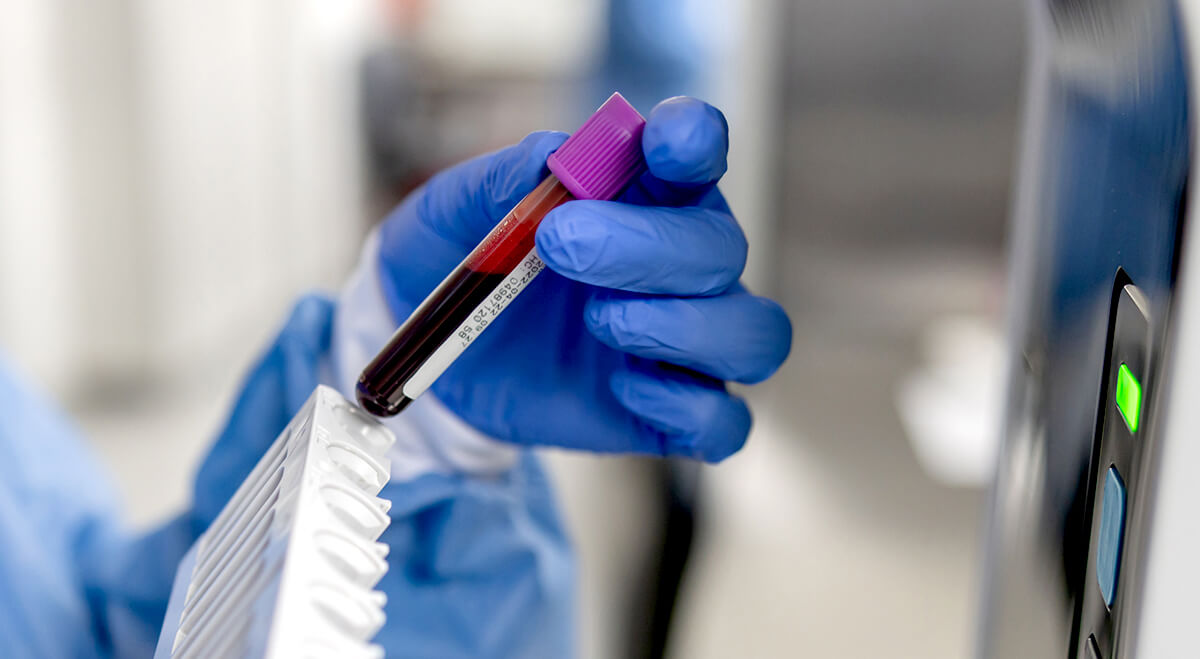
Cornell University researchers, led by doctoral student Anne Gardella, analyzed cell-free RNA in blood plasma samples from 93 people with confirmed ME/CFS and 75 healthy, sedentary controls matched for age, sex, and fitness levels. Cell-free RNA consists of fragments of genetic material naturally released by cells into the bloodstream, a kind of molecular snapshot of what’s happening inside the body.
When cells are stressed, damaged, or not functioning properly, they can release altered patterns of these RNA fragments. By studying these patterns, scientists can sometimes detect health problems invisible in standard blood work.

Plasma samples came from three locations: Ithaca, New York City, and Los Angeles. All ME/CFS participants were diagnosed before the COVID-19 pandemic, so the results weren’t influenced by long COVID cases.
The team tested 15 different machine learning approaches to see which could best separate ME/CFS patients from healthy individuals. Their most accurate model, using 21 specific genes, reached 77% accuracy in an independent test set, meaning it correctly classified most patients and controls. Importantly, this figure represents performance within the study’s testing framework, not a final accuracy rate for a fully validated diagnostic test.
Among the 743 genes showing different activity between groups, many were linked to immune function, inflammation, and energy production in cells, including those involved in mitochondrial function, the cell’s “power plants.”
Immune System Clues In ME/CFS Patients
The study also found evidence of immune system differences in ME/CFS patients. Using computational analysis, the researchers estimated the proportion of cell-free RNA coming from different types of immune cells. ME/CFS patients had a higher proportion from plasmacytoid dendritic cells (which produce antiviral interferons), monocytes, and certain T cell subsets — and a lower proportion from platelets.
Plasmacytoid dendritic cells are key players in the body’s antiviral defenses. Their elevated signal here suggests the immune system may be persistently activated, as if fighting a lingering infection that isn’t present. The lower platelet-derived RNA signal could reflect platelet function changes, which have been reported in other ME/CFS studies.
The researchers also found signs of disrupted pathways related to immune cell exhaustion, a state where immune cells become less effective after chronic activation. This may help explain why patients often feel both “run down” and plagued by ongoing symptoms.
No Viral Smoking Gun For Chronic Fatigue Syndrome
Given theories that viruses may trigger ME/CFS, the team also looked for traces of viral RNA in the blood. While they detected fragments from common viral families, such as herpesviruses and retroviruses, the levels were similar in both patients and healthy controls. This suggests active viral infection is unlikely to explain the immune differences seen in the study.
The researchers caution that their analysis was based on samples taken when patients were at rest, not during post-exertional malaise, one of the hallmarks of ME/CFS. Studying how these RNA patterns change after exertion could yield even more diagnostic clues.
The study’s 77% accuracy rate means some patients would still be misclassified. The test also performed better for some individuals than others, suggesting variability in how strongly the disease’s molecular signature shows up.
The participant group was mostly female, which matches known ME/CFS demographics but leaves questions about possible differences in male patients. And because only pre-COVID cases were included, the results might not fully apply to post-COVID ME/CFS cases.
Looking Ahead
While not a ready-to-use diagnostic test, this work shows a clear biological signal in ME/CFS and a plausible path toward turning that signal into a reliable clinical tool. Beyond diagnosis, the findings could help researchers develop targeted treatments, especially those aimed at calming immune dysfunction or improving cellular energy production.
For patients long told their illness was “all in their head,” this research offers hard evidence that ME/CFS is rooted in measurable biology. It’s one more step toward turning that proof into practical help.
Disclaimer: This study does not establish a clinically available blood test for ME/CFS. The 77% accuracy refers to the performance of the best model tested in this research and may change with further validation.
Paper Summary
Methodology
Researchers collected blood plasma samples from 168 participants (93 ME/CFS patients and 75 healthy controls) across three locations. They extracted cell-free RNA from the plasma and used RNA sequencing to analyze genetic expression patterns. Machine learning algorithms were then applied to identify molecular signatures that could distinguish between patients and controls. The study used a rigorous approach of repeatedly splitting data into training and testing sets to validate the diagnostic model’s accuracy.
Results
The study identified 743 genes with different activity levels between ME/CFS patients and controls. A machine learning model using 21 specific genes achieved 77% accuracy in distinguishing patients from healthy individuals. The research revealed evidence of immune system dysfunction, including altered levels of various immune cell types and disrupted inflammatory pathways. Notably, no consistent viral signatures were found that could explain the condition.
Limitations
The study examined patients only at baseline rest conditions, not during post-exertional malaise episodes. The diagnostic accuracy of 77%, while promising, still misses about one in four patients. The cohort was predominantly female, limiting understanding of sex-based differences. Additionally, the research focused on pre-COVID ME/CFS cases, so applicability to long COVID-related ME/CFS remains unclear.
Funding and Disclosures
This research was supported by multiple National Institutes of Health grants, including awards from the National Institute of Neurological Disorders and Stroke, Office of the Director, and several other NIH institutes. Additional funding came from the WE&ME Foundation. Some authors declared potential conflicts of interest related to patents and advisory board positions with biotechnology companies.
Publication Information
“Circulating cell-free RNA signatures for the characterization and diagnosis of myalgic encephalomyelitis/chronic fatigue syndrome” was published in the Proceedings of the National Academy of Sciences (PNAS) on August 11, 2025, Volume 122, Number 33. The study was conducted by researchers from Cornell University’s Department of Molecular Biology and Genetics and Meinig School of Biomedical Engineering.


