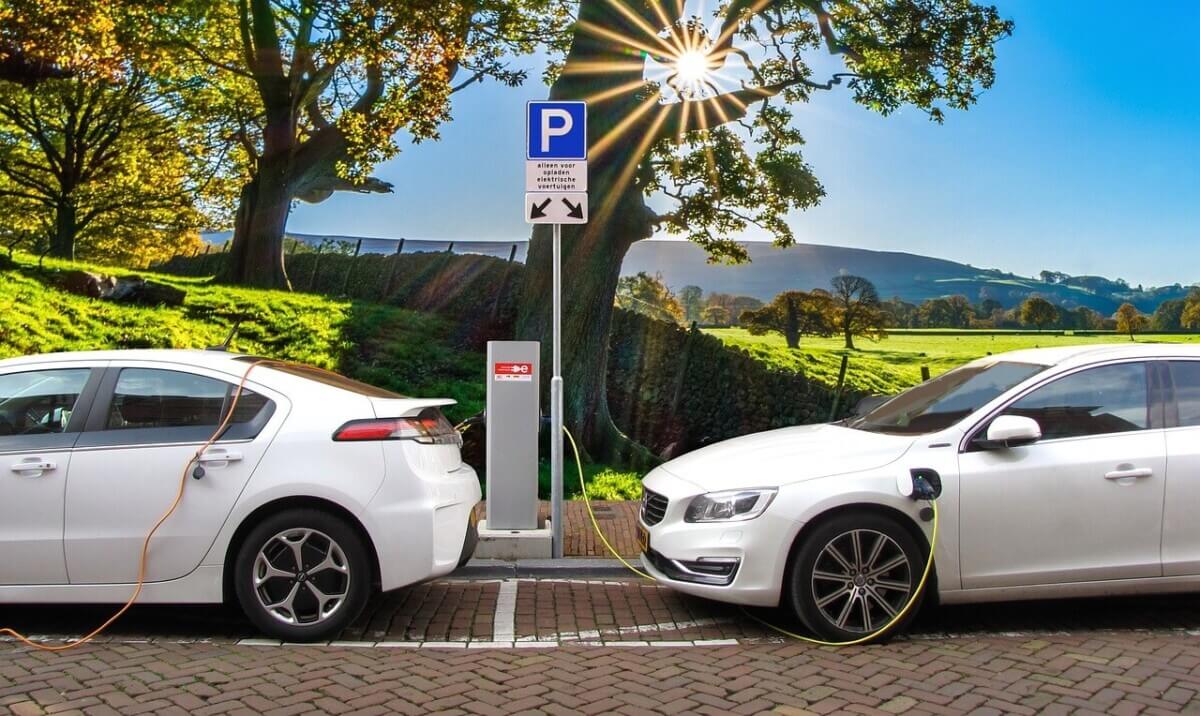
(Image by (Joenomias) Menno de Jong from Pixabay)
New study shows that the used car market just changed, with electric vehicles now the cheapest option over time.
In A Nutshell
The Bottom Line: Used electric vehicles now cost less to own than gas cars over time, creating major savings opportunities for the 70% of Americans who buy used rather than new.
- Big savings on 3-year-old EVs: Buying a three-year-old electric SUV typically saves about $13,000 over seven years compared to buying new, while a gas SUV saves only $3,000
- Cheaper than gas even when used: A used electric vehicle costs less overall than a used gas vehicle thanks to lower maintenance costs (no oil changes, fewer moving parts) and cheaper fuel
- Works without home charging: Even buyers who rely entirely on public charging stations save money with used EVs in most cities, despite public charging costing 2-4 times more than home charging
- The sweet spot is 3 years old: Electric vehicles lose value faster initially, then stabilize—making slightly used EVs a bargain while they’re often still under warranty
Most people in the market for a used vehicle probably don’t know that electric cars now cost significantly less to own than gas-powered ones.
A University of Michigan study analyzing over 260,000 vehicle listings found that in typical cases, buying a three-year-old electric SUV saves about $13,000 over seven years compared to buying that same vehicle new. A three-year-old gas SUV? You’d only save about $3,000 by buying used instead of new. Moreover, the used electric SUV costs less overall than the used gas version.
This matters because 70% of Americans buy used cars, not new ones. Yet most EV cost research has focused on new car buyers, leaving used buyers out, until now.
Maxwell Woody, lead author of the study at the University of Michigan’s Center for Sustainable Systems, found that used electric vehicles represent “a large opportunity to minimize” household vehicle spending while reducing greenhouse gas emissions. The economics of electric vehicles flip completely once they enter the used market.
The research, published in Environmental Research Letters, looked at what it actually costs to own and operate a vehicle. The analysis included the purchase price, insurance, gas or electricity, maintenance, repairs, taxes and fees, minus profits once the vehicle is sold. They examined compact cars, sedans, SUVs, and pickup trucks across 17 U.S. cities.
Why Used EVs Are So Much Cheaper Than New Ones
Electric vehicles lose value faster than gas cars in their first few years. A three-year-old electric vehicle retains about 58% to 67% of its original price, while a gas vehicle holds onto 70% to 84%.
That sounds bad for the first owner, but it’s great news for used car buyers. Buyers essentially purchase a nearly-new electric vehicle at a steep discount. In many cases the used EVs are still under the original warranty.
The savings keep coming. Electric vehicles have fewer moving parts than gas cars. No oil changes. No transmission fluid. No spark plugs or timing belts. Brakes last longer because the electric motor does most of the stopping. Over seven years, owners spend about $9,600 on maintenance and repairs for a used electric SUV versus $14,200 for a comparable gas model.

Where You Live Can Change The Cost Of Owning An Electric Car
The study found electric vehicles cost less than gas alternatives in nearly every city examined. Cleveland emerged as the cheapest place to own any vehicle. New York City proved most expensive for gas and hybrid cars, while San Francisco topped the list for electrics.
The reasons vary by location. San Francisco has high electricity costs. Los Angeles has expensive gas. New York City charges steep insurance rates. Chicago tacks on large annual fees for electric vehicles.
Only in Boston and San Francisco did electric and hybrid vehicles cost about the same to own.
You Don’t Need a Home Charger
What about charging EVs at home? Many renters and apartment dwellers lack access to a garage or dedicated parking spot.
The study found that even people who rely entirely on public charging stations still save money with a used electric vehicle in most cities. Yes, public charging costs two to four times more than home charging during off-peak hours. But the lower purchase price and maintenance costs more than make up the difference.
The biggest savings come from charging at home overnight when electricity rates are lowest. Cities with large gaps between peak and off-peak rates offer the most potential savings.
The cost advantage holds across vehicle types, from compact sedans to pickup trucks. The sweet spot for buyers is often a vehicle that’s already about three years old, when steep initial depreciation has passed but the car remains relatively new.
Buyers looking at vehicles older than 10 years won’t find much difference in total costs across any powertrain type. At that age, the lower purchase price gets eaten up by higher repair bills.
How Long Electric Car Batteries Really Last
Many shoppers worry about battery replacement costs. Most manufacturers warrant EV batteries for eight years or 100,000 miles, with some covering 10 years or 175,000 miles. If a battery fails during the warranty period, replacement costs the owner nothing.
Still, that concern affects resale values, which creates the very discount that makes used electric vehicles such a good deal for the next buyer.

M. Woody et al. Environ. Res. Lett. 2026 DOI: 10.1088/1748-9326/ae38f8)
EVs FTW!
These findings flip the script on electric vehicle costs. For years, the conversation focused on high sticker prices for new EVs. But the reality is that most Americans don’t buy new cars.
Policymakers might consider extending battery warranties or creating battery health certificates for used vehicles to ease buyer concerns. More charging stations at apartment buildings and condos could help renters access the same savings as homeowners.
For now, the data tells a clear story. If you’re shopping for a used car, the electric option will likely save you money.
Disclaimer: The cost savings discussed in this article are based on research modeling typical vehicle ownership scenarios. Actual costs will vary based on individual driving habits, local electricity and gas prices, insurance rates, available incentives, and other factors. Readers should research costs specific to their situation before making purchase decisions.
Paper Summary
Limitations
The depreciation patterns reflect 2024 market conditions and may change, particularly after removal of federal EV incentives. Sample sizes were limited for some vehicle types like electric pickup trucks. The analysis did not account for vehicle range or manufacturer, both of which influence resale values. Researchers used asking prices rather than actual sale prices. Faster electric vehicle depreciation may result from increasing availability of new EVs, falling new EV prices, or consumer concerns about used EV reliability. Whether these trends continue as the market matures remains uncertain.
Funding and Disclosures
This work was sponsored by the Responsible Battery Coalition (Grant No. AWD021363) and the State of Michigan Department of Labor and Economic Opportunity and the University of Michigan Electric Vehicle Center (498865-Sub of N034069).
Publication Details
Authors: Maxwell Woody, Sally Yin, Antara Green, Christian Hitt, Alexander Liu, Sabina Tomkins, and Gregory A Keoleian from the Center for Sustainable Systems, School for Environment and Sustainability, and the School of Information at the University of Michigan, Ann Arbor, MI, United States. Journal Citation: Woody M et al, January 27, 2026 Environmental Research Letters. 21 024022. DOI: 10.1088/1748-9326/ae38f8.


