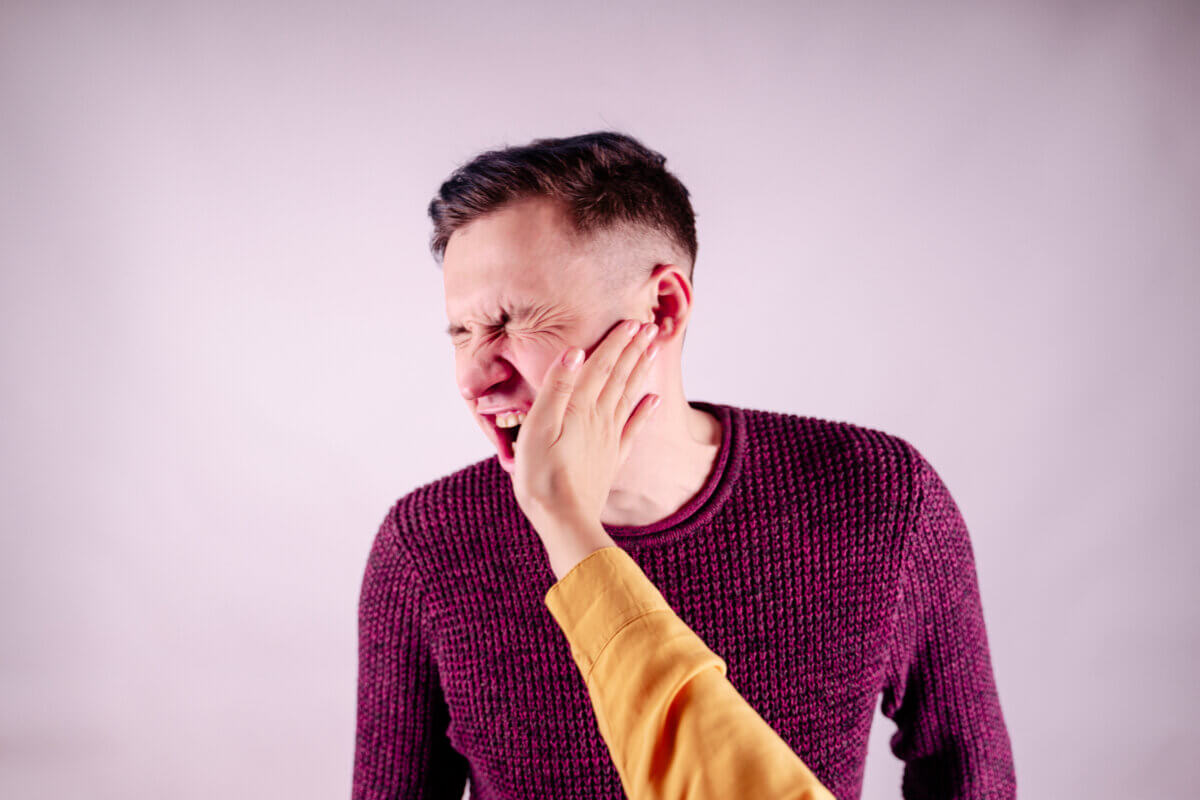
Person slapping man in the face. (© Anton Dios - stock.adobe.com)
PITTSBURGH — Combat sports have become wildly popular in recent years — including some of the more startling competitions, like slap fighting. While many may have been shocked or appalled by these violent contests when they first started, slap fighting has actually broken into the mainstream and is even televised regularly.
This fast-paced sport, where competitors take turns delivering open-handed strikes to each other’s faces, has gained millions of viewers online. However, as its popularity soars, so do concerns about the potential for severe brain trauma among participants.
A new study published in JAMA Surgery is now shedding light on the alarming frequency of concussion symptoms in professional slap fighting competitions. Researchers from the University of Pittsburgh School of Medicine conducted the first academic analysis of this controversial sport, exposing injuries that may give pause to even the most ardent fans.
“Slap fighting may be entertaining to watch as a lay viewer, but, as medical professionals, we found some aspects of the competitions to be quite concerning. Our end goal is to make all professional sports safer for the neurologic health of the athletes,” says lead author Dr. Raj Swaroop Lavadi, a postdoctoral research fellow in the Department of Neurosurgery, in a media release.
The study’s results are nothing short of alarming. After analyzing 333 slaps across 78 fights, the researchers found that more than half of the slap sequences resulted in participants showing visible signs of concussion. These signs ranged from poor motor coordination and blank stares to delayed reactions in getting up after a knockout blow.
Perhaps most concerning is that nearly 80% of fighters demonstrated at least one visible sign of concussion during their matches. This high prevalence raises serious questions about the long-term neurological health of participants in this emerging sport.
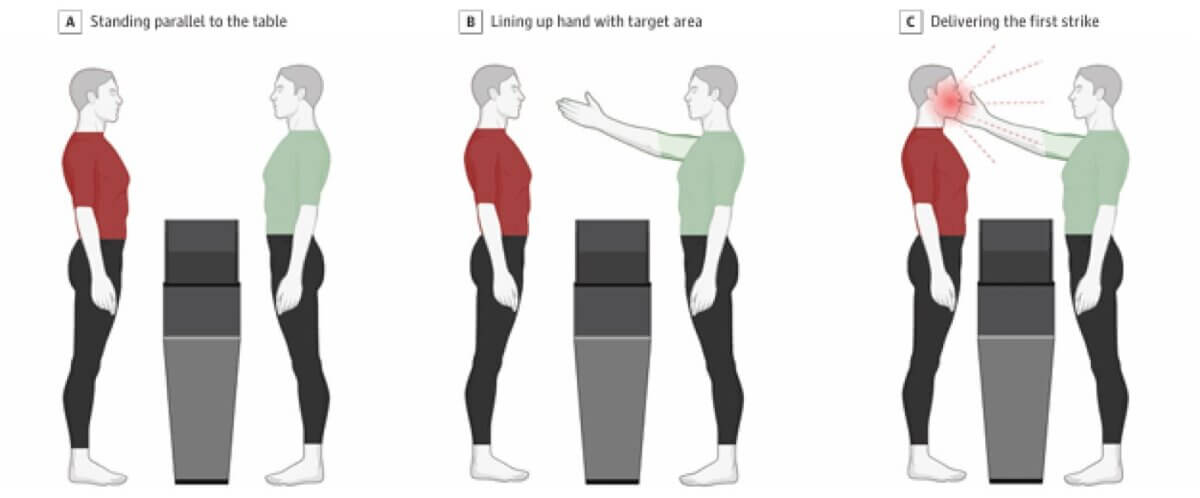
The format of slap fighting itself seems designed to maximize the potential for head trauma. Competitors stand facing each other across a waist-high podium, taking turns to deliver unblocked, open-handed strikes to their opponent’s face. The rules allow for brief recovery periods between slaps, but the fight continues until one participant is knocked out or judges declare a winner.
“Clinically, concussion can show up in different ways, but each can result in short- or long-term disability and socioeconomic distress. As a physician who has a background in martial arts and is passionate about combat sports, I remain concerned regarding the frequency of overt signs of concussion among slap fighters,” notes Dr. Nitin Agarwal, the study’s senior author and associate professor of neurological surgery.
The study’s findings paint a worrying picture of a sport that, until now, has operated with little scientific scrutiny. As slap fighting continues to gain mainstream attention, with events like “Power Slap” being televised since January 2023, the need for informed regulation becomes increasingly urgent.
The research team isn’t stopping at video analysis. They’re now working on measuring the physical impact of an average slap using mouthpieces similar to those used by professional football players. This data, combined with their video analysis, could provide crucial insights for participants, officials, and ringside physicians, potentially leading to improved safety measures.
The question now is whether the entertainment value of slap fighting can be balanced with the clear need to protect participants from potentially life-altering brain injuries.
Paper Summary
Methodology
The researchers conducted a cross-sectional study by reviewing online videos of slap fighting events, including season 1 and main events 2 to 5 of Power Slap. Four reviewers observed for visible signs of concussion, using previously defined criteria modified to suit the slap fighting environment. They analyzed 78 fights, comprising 333 slaps and 139 sequences among 56 contestants. The team used Cohen κ statistics to assess interrater reliability, requiring agreement between reviewers to account for a visible sign of concussion.
Key Results
The study found that concussive signs were observed after 97 slaps (29.1%) and 72 sequences (51.8%). Of the 56 contestants, 44 (78.6%) had at least one concussive sign. The researchers observed 20 instances of “second impact,” where a contestant showed signs of concussion after already displaying signs from a previous slap. The most common signs included motor incoordination, slow to get up, and a blank and vacant look.
Study Limitations
The study has some limitations, including a relatively small sample size and the subjective nature of using video analysis to identify concussion signs. To mitigate individual bias, agreement was required between reviewers to confirm a visible sign of concussion.
Discussion & Takeaways
The findings suggest that slap fighting may induce traumatic brain injury in contestants, with potential long-term consequences. The risk is heightened because contestants must stand defenseless, allowing opponents to achieve complete and precise contact with their heads during each offensive blow. The researchers emphasize the need for high surveillance when evaluating such athletes both acutely and in long-term follow-up.
Funding & Disclosures
This research received no external funding. Dr. Joseph Maroon, one of the study authors, reported serving as a neurosurgical consultant to the Pittsburgh Steelers, a member of the National Football League Head and Spine Committee, and medical consultant to the World Wrestling Entertainment Corp. Dr. Nitin Agarwal reported receiving personal fees from Thieme Medical Publishers and Springer International Publishing outside the submitted work.


