
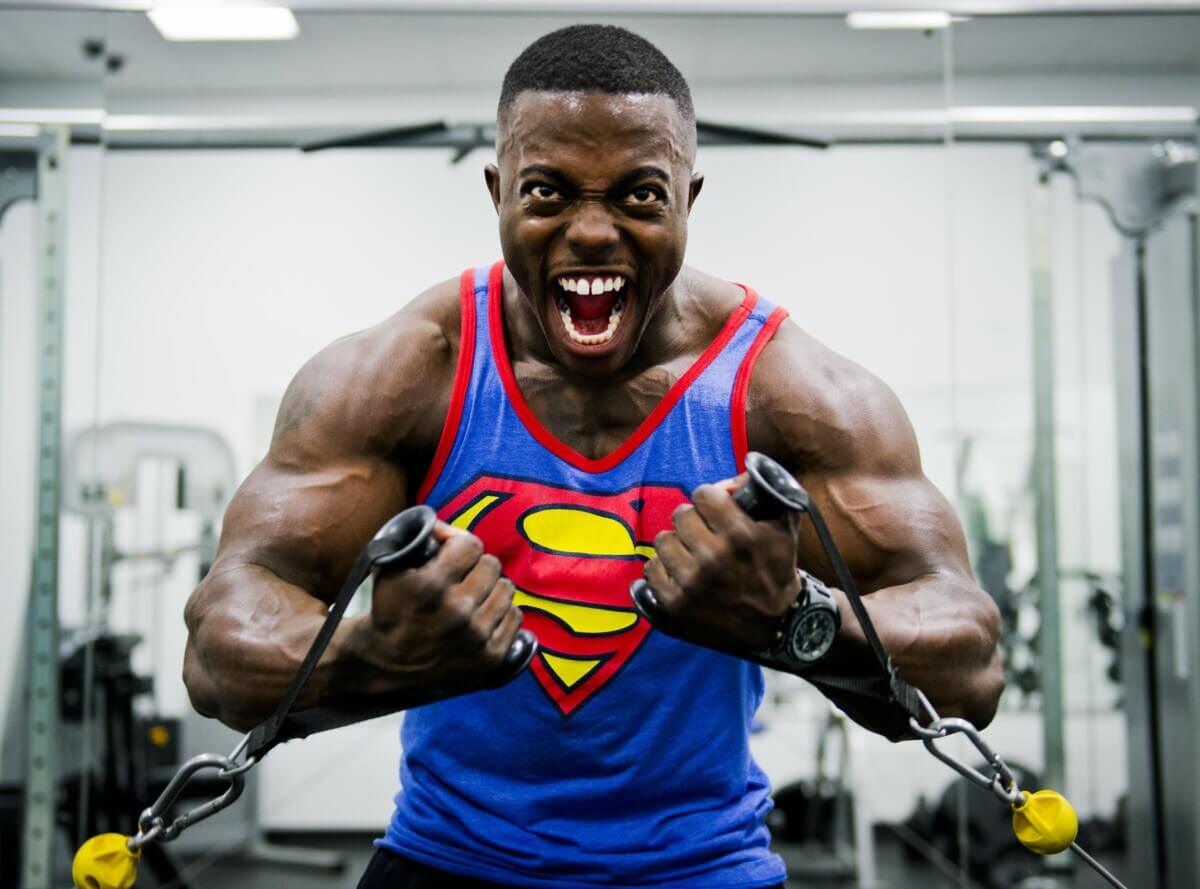
Young men are especially affected by this phenomenon. (Elkhophoto/Shutterstock)
From celebrities and influencers to everyday people, social media is full of content that showcases perfectly toned, muscular bodies – and how to achieve them. Having a muscular physique is no longer confined to elite athletes and body builders – it has become a widely popular aspiration.
But alongside the rising popularity of this kind of content has been an increase in the pressure that both men and women are feeling to achieve a more athletic, muscular physique. This seemingly healthy trend has coincided with the detection of a new form of disordered eating.
Muscularity oriented disordered eating (Mode) refers to a set of disordered eating habits driven by an excessive focus on lean muscle gain. This includes excessive consumption of protein supplements and drinks, rigid diet patterns, meticulous tracking of macronutrients (protein, carbs and fat in food) and frequent muscle checking.
Unlike eating disorders such as anorexia and bulimia, Mode is specifically related to muscularity and predominantly affects young men. But, as with other forms of disordered eating, Mode can disrupt daily life, harm social relationships and diminish emotional wellbeing.
Social media plays a significant and multifaceted role in Mode. While social media can sometimes offer helpful health and fitness information, social media algorithms also amplify content of extreme or visually striking bodies that garner attention.
Platforms such as Instagram and TikTok are saturated with “fitspiration” content. Posed shots and before and after photos suggest that “fitspiration” content may be about appearance rather than health. These highly curated depictions of idealized, muscular bodies not only reinforce unrealistic body ideals, they can also foster dissatisfaction with body image, increase muscle fixation and lead to disordered forms of eating.
Many social media influencers also promote unattainable body standards, unsustainable lifestyles and extreme eating habits. These include the daily use of protein supplements, rigorous tracking of macronutrients, extreme workouts and the use of drugs (including anabolic steroids) to enhance performance.
Some influencers even partner with fitness supplement companies, becoming the image for a specific brand or food product. This can incentivize social media users to purchase those products and follow similar dietary habits without seeking professional advice or examining the risks.
While not every fitness enthusiast is at risk of developing Mode, this intense preoccupation with muscle growth is growing. According to one 2019 study, 22% of males and 5% of females aged 18–20 reported engaging in behavior consistent with Mode.
College students may be particularly at risk of Mode due to their high use of social media and because they’re often in control of their diet for the first time.
Mode has been closely associated with preoccupation with body image, which is known to be linked with unhealthy, body-changing behaviors.

Several other factors have also been associated with Mode. These include exercising specifically to gain weight, perceiving oneself as underweight, having a lower body mass index (BMI), practicing weightlifting and using anabolic steroids. Among males, alcohol consumption is linked to Mode, while depressive symptoms were a notable factor for females.
Mode has also been reported at comparable rates in many countries around the world – including the United States, Canada and Iran.
Risk Of Harm
There are many physical and mental harms that may be associated with Mode.
For instance, the condition is associated with a variety of disordered eating patterns. Fixation on muscle development can trigger or exacerbate eating disorders, notably binge eating. Orthorexia nervosa – a pathological and potentially harmful focus on “healthy eating” – is also frequently recorded in fitness communities.
While women were once the main audience for the health food market, health supplements and protein products are increasingly targeted at men.
According to a US study, more than 80% of male college students reported using whey protein powders or shakes, and more than 50% used the supplement creatine monohydrate to increase muscle mass and strength. Alarmingly, 82% of anabolic-androgenic steroid users in the study were also from this demographic. Steroid use is associated with serious side effects, including mood swings and sexual dysfunction.
Over-consumption of protein products can be harmful to health. While it’s true your body needs more protein when you are more active, not all muscle-building products are necessarily healthy. Protein shakes, for example, can be highly processed.
Some products contain artificial sweeteners and thickeners. They may also contain potentially harmful chemicals such as heavy metals (including lead and aluminium).
Over-consumption of protein products has also been linked to gut and metabolic disturbances. It’s important that protein shakes and bars aren’t used as replacements for natural protein sources, such as pulses, meat, fish or dairy foods.
On a social and emotional level, Mode is associated with disruptions to daily life and social isolation, with the person prioritizing diet and fitness plans over work, school and relationships. In one study, male bodybuilders who followed an extreme, muscle-focused diet reported they felt guilty and disappointed in themselves if they deviated from their lifestyle – with their dietary needs affecting their work.
Women with Mode have reported significant levels of depression and anxiety, and were more likely to feel socially isolated.
Recognizing Mode as a legitimate public health concern is essential for cultivating a more inclusive and healthy fitness culture. While continuing to support efforts to exercise more and stay healthy, schools, colleges, gyms and fitness instructors should be mindful of the potential for Mode among people who are excessively focused on their physical appearance or over-frequenting the gym.
More work needs to be done to identify Mode risk factors and prevent further escalation. The fitness industry should also be held to greater account for the products and lifestyles they promote.
Alison Fixsen, Senior Lecturer Psychology, University of Westminster. She does not work for, consult, own shares in or receive funding from any company or organization that would benefit from this article, and has disclosed no relevant affiliations beyond their academic appointment.
This article is republished from The Conversation under a Creative Commons license. Read the original article.


