
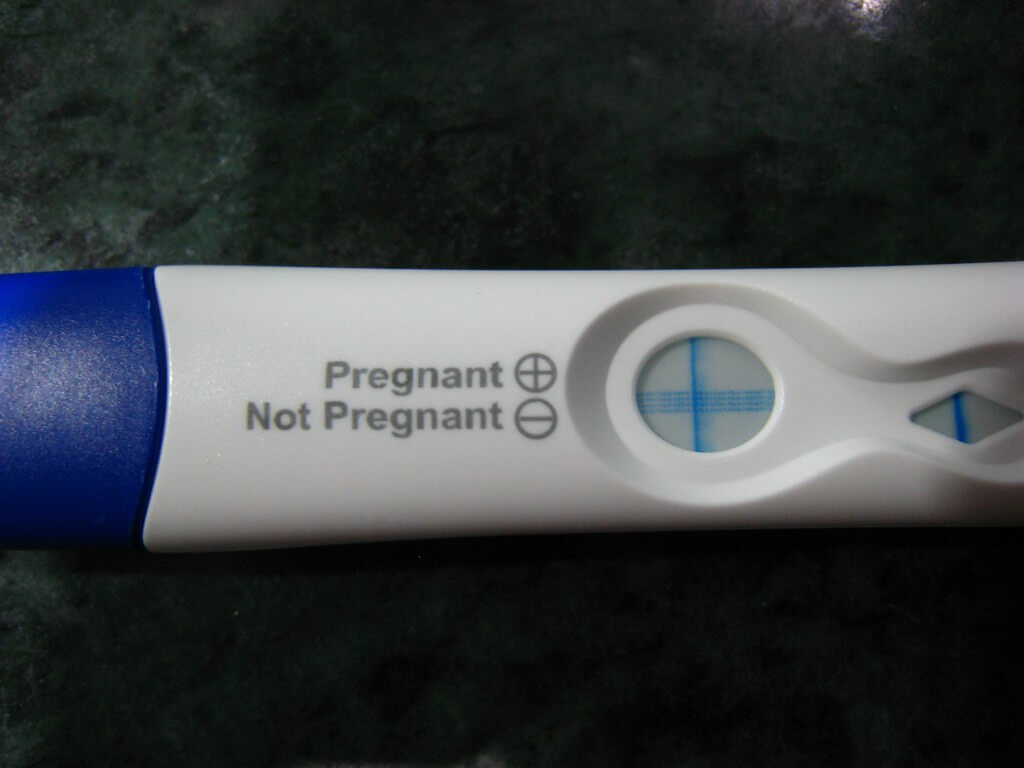
pregnancy test (Credit: Openverse)
SAN FRANCISCO — Contrary to popular belief, getting your tubes tied does not guarantee you won’t get pregnant. Researchers in California made the startling discovery that the rate of unplanned pregnancy after tubal sterilization in the United States was still 2.9 to 5.2%. Other birth control options, like an intrauterine device (IUD) and an arm implant, were more effective than the supposedly “permanent” tubal surgery.
The interest and demand for tubal sterilization has soared after the U.S. Supreme Court reversed Roe V. Wade, which had protected women’s rights to an abortion on a national level. Ending the federal constitutional right to an abortion meant the decision lies in the woman’s state of residence. Multiple states have banned or placed severe restrictions on abortions.
“Since the Dobbs’ decision, many more people are worried about how pregnancy may impact their health and family life,” says Eleanor Bimla Schwarz, MD, the chief of the University of California San Francisco Division of General Internal Medicine at Zuckerberg San Francisco General, in a media release. “This is especially true for patients with medical conditions like diabetes and high blood pressure that can complicate pregnancy.”
Roughly 65% of women between 15 and 49 use birth control. Getting your tubes tied is often considered a more extreme route for contraception. This abdominal surgery involves clamping, cutting, or removing the fallopian tubes because it is regarded as a “permanent” solution for preventing pregnancy. Over 21% of women between 30 and 39 and 39% of women over 40 choose to get their tubes tied. It’s a decision often taken among people who are low-income and who have chronic medical conditions.
While tubal ligation is not a permanent solution to ending fertility, it has always appeared to be the best option. Past studies had previously estimated less than 1% of women get pregnant after sterilization. The current study, published in NEJM Evidence, finds the rates are much higher and more significant than if women chose a different contraceptive option.
“People using a contraceptive arm implant or an IUD are less likely to become pregnant than those who have their tubes tied,” explains Schwarz.
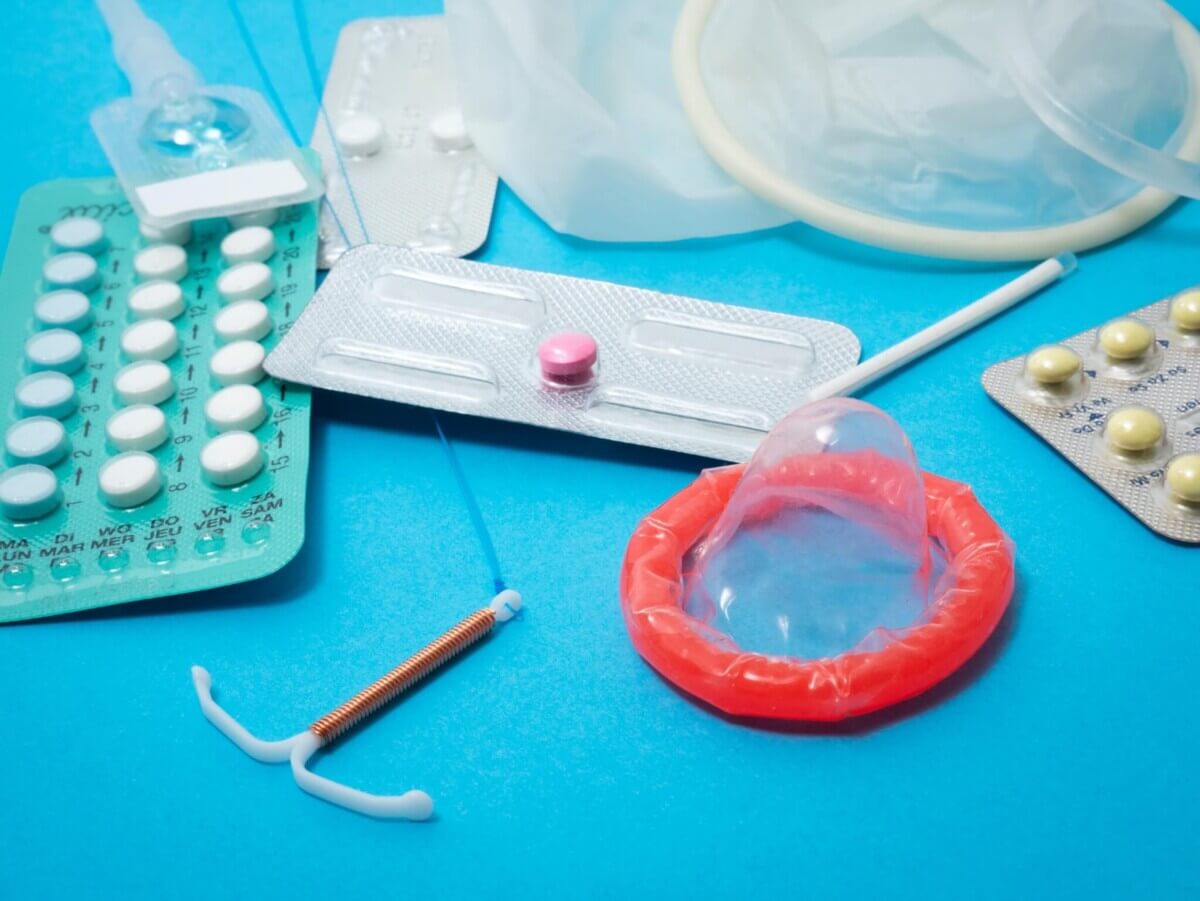
The study’s authors examined four independent rounds of the National Survey of Family Growth from 2002 to 2015. Data included 31,000 women, 4,184 of whom had their tubes tied. After the first year of tubal sterilization in women who had their tubes tied between 2013 and 2015, the chances of pregnancy were 2.9%. The chances of pregnancy grew the younger the people were at the time of the surgery.
Procedures being funded by public versus private insurance didn’t play a factor in whether a woman got pregnant. However, the researchers noticed the number of Medicaid-sponsored tubal sterilizations increased from 18% in 2002 to 36% from 2013 to 2015.
“When choosing what birth control will work best for them, people consider many different things, including safety, convenience, and how fast they can start to use the method,” Schwarz concludes. “For people who have chosen a ‘permanent’ method, learning they got pregnant can be very distressing. It turns out this is, unfortunately, a fairly common experience.”
Paper Summary
Methodology
The researchers used data from the National Survey of Family Growth (NSFG), a nationally representative survey of U.S. women between the ages of 15 and 44. They looked at four waves of the NSFG collected between 2002 and 2015. The researchers identified women who reported having a tubal sterilization procedure and then tracked whether they had any pregnancies after the procedure. They used statistical techniques like survival analysis to estimate the rates of pregnancy over time.
Key Results
The study found that a notable percentage of women reported becoming pregnant after their tubal sterilization procedures. In the most recent survey data from 2013-2015, an estimated 2.9% of women had a pregnancy within the first 12 months after their tubal sterilization, and by 10 years after the procedure, the estimated pregnancy rate was 8.4%. The researchers also found that pregnancy rates were generally lower for women who had the sterilization procedure done shortly after giving birth (postpartum) compared to those who had it done at another time (interval).
Study Limitations
The study relied on self-reported data from the NSFG, which could be subject to recall bias or underreporting, particularly for sensitive topics like abortions. The NSFG data also did not distinguish between different surgical techniques for tubal sterilization, such as salpingectomy versus tubal occlusion. Additionally, the most recent NSFG data used in this analysis was from 2013-2015, so the findings may not fully reflect more recent trends.
Discussion & Takeaways
These findings challenge the commonly held belief that tubal sterilization is an extremely effective permanent form of contraception. The researchers note that the pregnancy rates reported in this study are notably higher than previous estimates, such as from the CREST study in the 1970s-1980s. The authors suggest that ongoing monitoring of tubal sterilization outcomes is needed, especially as surgical techniques continue to evolve. They also emphasize the importance of providing patients with accurate information about the relative effectiveness of different permanent and long-acting reversible contraceptive options to support informed decision-making.
Funding & Disclosures
This study was designed by M.R. and E.S. Data were analyzed by C.L. and A.Y.C. E.S. wrote the first draft of the manuscript. All authors critically revised the manuscript and decided to publish the article. The study was determined exempt by the Institutional Review Board of the University of California-San Francisco.


