
(© Antonio Diaz - stock.adobe.com)
New research shows Tai Chi, walking, and even jogging can help people with insomnia symptoms improve their sleep quality
In A Nutshell
- Yoga, Tai Chi, and walking or jogging can meaningfully improve sleep for people with insomnia.
- Yoga boosted total sleep time by an average of 110 minutes per night, outperforming other exercise types.
- Walking/jogging most effectively reduced insomnia severity scores, helping people feel better during the day.
- Exercise may be a low-cost, accessible alternative to sleeping pills and therapy, but more high-quality research is needed.
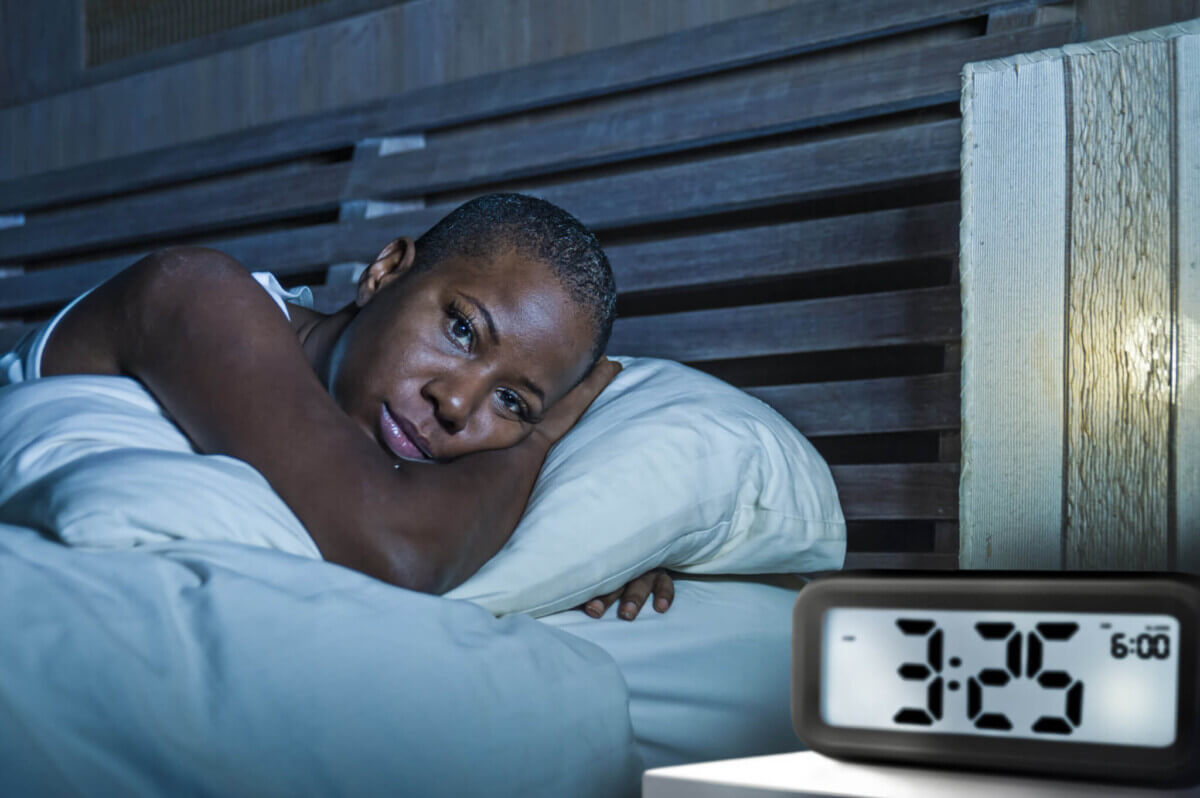
BEIJING — Millions of Americans toss and turn each night, struggling with insomnia that leaves them groggy, irritable, and desperate for relief. While many reach for sleeping pills or expensive therapy, a promising new study suggests the answer might be as simple as unrolling a yoga mat.
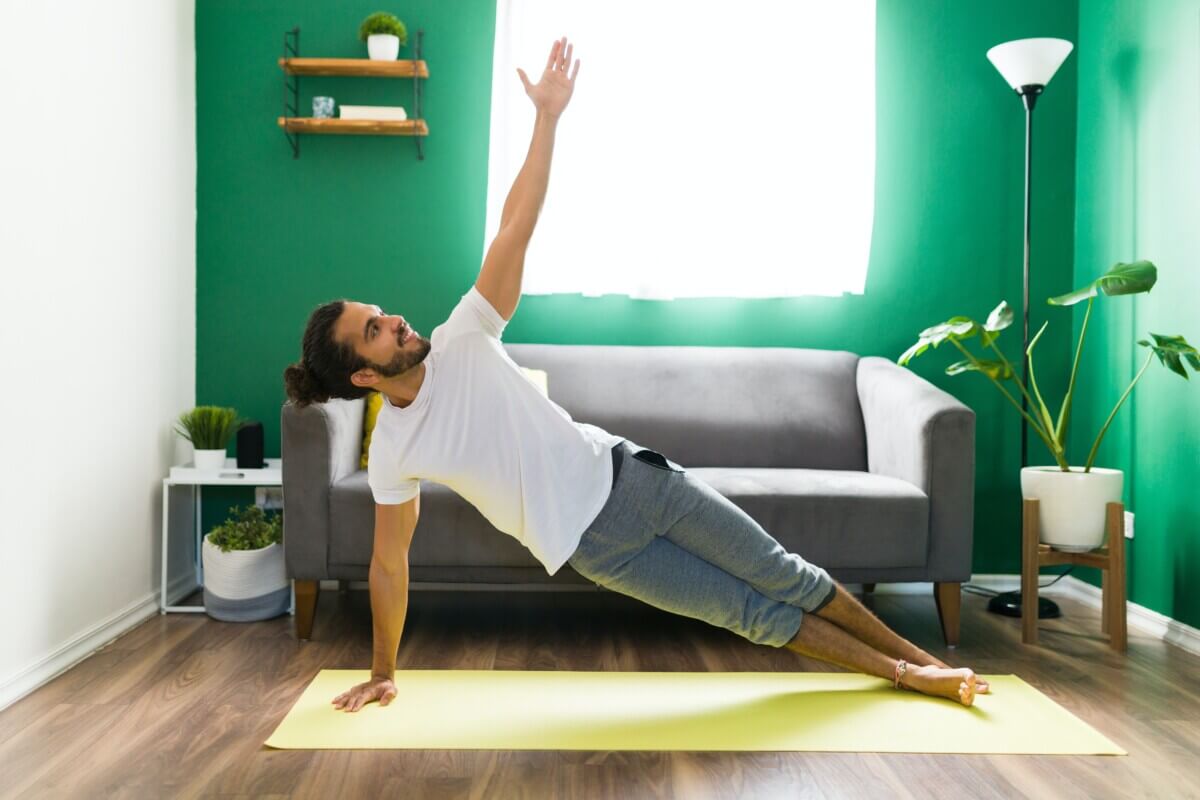
Research published in BMJ Evidence-Based Medicine analyzed data from 22 studies involving nearly 1,350 people with insomnia and found that certain types of exercise can dramatically improve sleep quality. The most striking finding? Yoga emerged as a sleep superstar, adding about 1 hour and 50 minutes of sleep per night for participants compared to standard care approaches like lifestyle advice or stretching.
Rather than vigorous cardio workouts being the best path to better sleep, gentler mind-body practices like yoga and Tai Chi showed the most impressive benefits. Simple walking or jogging proved most effective at reducing the daytime grogginess and dysfunction that plague insomnia sufferers.
“Exercise is an effective treatment for improving sleep in patients with insomnia,” the researchers concluded, noting that yoga, Tai Chi, and walking or jogging were more effective than other exercise types studied.
At a time where insomnia affects anywhere from 3.9% to 22% of adults, these findings offer hope for a low-cost, accessible treatment option. Unlike sleeping medications, which can carry risks of dependency and side effects, exercise interventions showed benefits without pharmaceutical downsides.
Yoga Emerges as Sleep Champion
The research team, led by scientists from Beijing University of Chinese Medicine, conducted what’s called a network meta-analysis. This is a sophisticated method that allows researchers to compare multiple treatments at once, even when they haven’t been directly tested against each other in the same study.
Yoga participants saw the most dramatic improvements in total sleep time, gaining an average of 110 minutes per night compared to people receiving standard care. They also fell asleep about 29 minutes faster and woke up less frequently during the night. These benefits were measured using sleep diaries, where participants tracked their own sleep patterns.
Tai Chi, the slow-moving martial art that emphasizes breathing and mindfulness, showed more modest but still significant improvements. Practitioners gained about 52 minutes of sleep per night and also fell asleep faster than those receiving standard care. Importantly, some of Tai Chi’s benefits persisted even during long-term follow-up periods of one to two years.
Walking or jogging took a different approach to the sleep problem. While these activities didn’t necessarily help people sleep longer, they proved most effective at reducing scores on the Insomnia Severity Index – a measure that captures how much sleep problems interfere with daily functioning. Participants who walked or jogged saw their insomnia severity scores drop by nearly 10 points, representing a large improvement.
The study also included cognitive behavioral therapy for insomnia (CBT-I), currently considered the gold standard treatment. While CBT-I generally ranked highest across multiple measures in the analysis, several exercise interventions showed comparable benefits in specific areas – a significant finding given that CBT-I requires specialized therapists and can be expensive and time-consuming.
How Exercise for Sleep Compares to Traditional Insomnia Treatments
Current treatment options present significant barriers for many people. Cognitive behavioral therapy for insomnia faces implementation challenges including therapist shortages, high costs, and complex insurance reimbursement systems. Sleeping medications, while providing short-term relief, raise concerns about long-term dependency and potential health risks.
Exercise interventions offer several advantages. They’re generally low-cost, widely accessible, and come with additional health benefits beyond improved sleep. The study found that exercise interventions typically lasted between 4 and 26 weeks, suggesting that relatively short-term commitments could yield meaningful results.
In the United States, insomnia creates substantial economic burdens through increased healthcare costs and decreased workplace productivity. The condition also significantly raises the risk of developing depression, cardiovascular disease, and even Alzheimer’s disease.
READ: The 5 Best Cooling Pillows To Ensure A Comfortable Summer Sleep
The research revealed interesting patterns in how quickly different exercises showed benefits. In short-term interventions lasting three months or less, Tai Chi demonstrated significant improvements across virtually all sleep measures. Both cognitive behavioral therapy and mixed aerobic exercises also showed consistent benefits across multiple sleep diary parameters during shorter time frames.
Different types of exercise target different aspects of sleep problems, potentially allowing treatment to be tailored to individual needs – yoga for people who struggle to get enough total sleep, Tai Chi for those seeking long-term benefits, and walking or jogging for those primarily dealing with daytime dysfunction from poor sleep.
Limitations To Consider
The research included randomized controlled trials from multiple countries, though most exercise-based studies were conducted in Asian countries. The 1,348 participants represented a substantial sample size for this type of analysis.
However, the study faced several important limitations. Because it’s virtually impossible to blind people to whether they’re exercising, most participants knew what treatment they were receiving, which could influence how they reported their sleep quality. Additionally, many of the individual studies were rated as having “some concerns” or “high risk” for bias, with only four of the 22 studies receiving low-risk ratings.
The research also couldn’t establish standardized exercise “doses” – specific recommendations for how often, how long, or how intensely people should exercise for optimal sleep benefits. Many studies relied on participant self-reports through sleep diaries rather than objective sleep measurements like those from sleep lab studies.
The concentration of exercise studies in Asian countries also raises questions about how well these results might apply to other populations with different cultural backgrounds and exercise traditions.
Despite these limitations, the study provides compelling evidence that exercise can serve as a viable primary treatment for insomnia, not just a supplementary approach. For Americans currently struggling with insomnia, these results point toward a path to better sleep that doesn’t require a prescription or therapist’s office. The combination of potential sleep benefits, low cost, and overall health improvements makes exercise an attractive first-line approach for tackling one of America’s most common health complaints.
Disclaimer: This article is for informational purposes only and is not intended as medical advice. If you are experiencing persistent sleep problems or insomnia, consult with your healthcare provider before starting any new exercise program or making changes to your current treatment plan. Your doctor can help determine the most appropriate approach for your individual situation and ensure that exercise is safe for your specific health conditions.
Paper Summary
Methodology
Researchers conducted a network meta-analysis, which combines data from multiple studies to compare different treatments. They searched six major medical databases for randomized controlled trials involving adults with insomnia who received exercise-based interventions. The analysis included 22 studies with 1,348 participants, examining 13 different interventions including seven exercise types (yoga, Tai Chi, walking/jogging, aerobic plus strength training, strength training alone, aerobic exercise with therapy, and mixed aerobic exercises) compared against six control conditions. Sleep outcomes were measured using validated scales like the Pittsburgh Sleep Quality Index, sleep diaries, and objective measures such as polysomnography and actigraphy.
Results
Yoga showed the largest improvements in total sleep time, adding 110.88 minutes per night compared to active controls, along with better sleep efficiency and reduced time to fall asleep. Tai Chi demonstrated improvements across multiple sleep measures and showed sustained benefits during long-term follow-up. Walking or jogging was most effective at reducing insomnia severity scores. Cognitive behavioral therapy performed well across multiple outcomes. The study found that different exercise types targeted different aspects of sleep problems, suggesting potential for personalized treatment approaches.
Limitations
The study faced several important limitations including the inability to blind participants to their treatment (since people knew whether they were exercising), with only four of 22 studies rated as low risk for bias. Most studies relied on self-reported sleep measures rather than objective monitoring. The research couldn’t establish standardized exercise prescriptions due to variation in protocols across studies. Limited representation of certain interventions across specific outcomes reduced comprehensiveness of some effect estimates. Some outcomes showed statistical inconsistency between direct and indirect evidence comparisons.
Funding and Disclosures
The study was supported by grants from the National Natural Science Foundation of China, the Beijing University of Chinese Medicine Discipline Backbone Successor Support Program, and the High-Level Traditional Chinese Medicine Key Subject Construction Project. The authors declared no competing interests, and patients were not involved in the study design, conduct, or dissemination planning.
Publication Information
The study “Effects of various exercise interventions in insomnia patients: a systematic review and network meta-analysis” was published in BMJ Evidence-Based Medicine on July 15, 2025. Led by Zhi-jun Bu, Dr. Zhao-lan Liu, and colleagues from Beijing University of Chinese Medicine and other institutions. The research protocol was registered with PROSPERO under registration number CRD42024541899.


