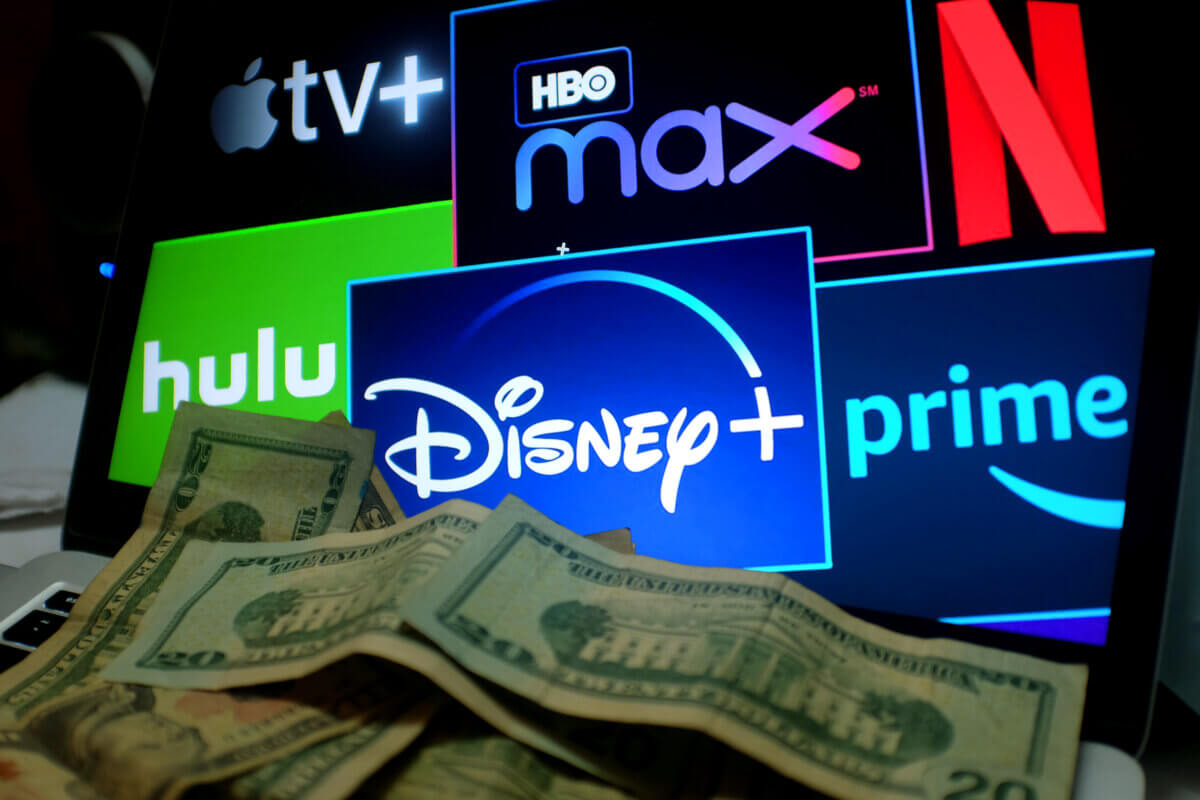
(Credit: DANIEL CONSTANTE/Shutterstock)
Consumers Wasting Over $120 Annually In Unused Services, Leading Many To Cut Back Dramatically
In A Nutshell
- The average U.S. household cut subscriptions from 4.1 in 2024 to 2.8 in 2025.
- Nearly half of subscribers say they won’t tolerate any price increases.
- Password sharing crackdowns may be driving more piracy, not more paying customers.
- Unused subscriptions still cost people about $127 a year on average.
AUSTIN, Texas — The subscription boom is cooling fast. After years of signing up for streaming services, food delivery perks, and digital extras, Americans are now cutting back. New survey data from Self Financial shows the average household has trimmed its paid subscriptions from 4.1 in 2024 to just 2.8 in 2025. That’s a steep 32% drop in a single year.
This isn’t a small dip. It marks the end of the “subscribe to everything” era that fueled the streaming wars. Consumers are drawing the line, and the numbers point to frustration with relentless price hikes and mounting subscription fatigue.
Household spending on subscriptions slipped from $40.39 to $37 a month, an 8.4% decrease. But the sharper signal comes from attitudes. Nearly half of subscribers (49.7%) now say that any further price increase would be unacceptable.
Why Americans Are Canceling Now
The main driver is cost. Disney+ jumped from $7.99 to $9.99 per month. Hulu made the same leap. Paramount+ climbed from $5.99 to $7.99, a 33% hike. Apple TV+ rose from $9.99 to $12.99. One or two dollars may not sound like much, but multiplied across multiple services, it adds up quickly.
When asked why they canceled subscriptions, the top answers were all financial. About 34.6% cited the high cost of living. Another 32.9% said prices had risen too much, and 26.3% said they were simply cutting expenses.
Convenience remains the main reason people keep subscriptions (58.4%), but even convenience has its limits. Perceptions of value are slipping. In 2024, 51.8% of people said subscription services offered quality content. This year, only 40.9% agreed.
Password Sharing Crackdowns Backfire
Password sharing rules are also changing behavior. In 2024, the average household shared subscriptions with 3.2 people. By 2025, that number had dropped to 2.3, thanks to crackdowns by Netflix, Disney+, and Max.
The strategy hasn’t had the effect companies hoped for. Instead of converting sharers into paying subscribers, many people are turning away altogether. Almost half (45.7%) of respondents said they are now more likely to stream content illegally because of rising costs.
Login sharing itself remains widespread. Nearly two-thirds (64.4%) of subscribers share their accounts to save money. Half (52%) said they share because price increases made subscriptions less affordable. The message is clear: push people too far, and they’ll find workarounds.
The Services Most at Risk
Survey data shows which subscriptions people are ignoring or planning to cancel.
- Streaming: ESPN+ leads the unused list, with 25.8% of subscribers not using it in the past month. Hulu is nearly tied at 25.7%. Apple TV+ subscribers are most likely to cancel, with 42% planning to drop it, followed by Starz (40.8%) and Paramount+ (29.6%).
- Food delivery: Caviar tops the unused list at 58.9%, followed by Grubhub (54.1%) and Postmates (52%). Even though these subscriptions offer savings, high markups on delivery orders (an average of 68.8% without a plan) mean many customers see little benefit.
The $127 Annual Waste
Even with cutbacks, many people are still paying for subscriptions they don’t use. On average, each person has 0.8 unused subscriptions, costing $10.57 a month. That’s about $127 a year going to waste, less than in 2024 but still significant.
Free trials that quietly convert into paid plans are part of the problem. Nearly two-thirds (64.8%) of respondents admitted forgetting to cancel a trial before being billed. It’s the digital version of unused gym memberships, except these charges renew automatically.
Most people prefer monthly payments (72.8%), even though annual plans often cost less. Disney+ Premium, for example, is $15.99 monthly or $159.99 yearly, a savings of nearly $32. But flexibility wins out. People want the option to cancel quickly if money gets tight or content disappoints.
Toward Subscription Discipline
This shift isn’t just about saving money. It signals a new mindset. The pandemic-era approach of “subscribe first, think later” has given way to more deliberate choices.
Survey results show 40.8% of people canceled at least one subscription in the past year, and another 31.2% plan to cancel more. That means nearly three-quarters of subscribers are actively trimming their digital expenses.
The subscription model was built on the idea that small charges would fly under the radar. That assumption no longer holds. Consumers are tracking every dollar, weighing value more carefully, and cutting what doesn’t measure up.
The subscription purge of 2025 may be the start of a longer-term adjustment. Instead of endless growth, services may face a market where quality and affordability matter more than novelty.
Survey Summary
Methodology
Self Financial commissioned a survey of 1,138 Americans conducted on June 13, 2025, focusing specifically on households that pay for at least one subscription service. Respondents could select multiple answers for many questions, so results don’t always total 100%. The survey defined “unused” subscriptions as services paid for but not accessed in the past 30 days, aligning with typical monthly billing cycles. Researchers compared current data with previous surveys from 2023 and 2024 to track trends over time.
Results
Americans reduced their active paid subscriptions from 4.1 in 2024 to 2.8 in 2025, while average monthly spending decreased from $40.39 to $37. Despite this reduction, 54.9% of respondents still maintain unused subscriptions costing an average of $10.57 monthly. Nearly half (49.7%) of subscribers consider any price increase unacceptable. Password sharing decreased from 3.2 to 2.3 people per household, while 45.7% of respondents indicated increased willingness to stream content illegally due to rising subscription costs. ESPN+ had the highest rate of unused subscriptions at 25.8%, while convenience remained the top reason for maintaining subscriptions at 58.4%.
Limitations
The survey only included households that currently pay for subscriptions, potentially excluding consumers who have abandoned subscription services entirely. The 30-day definition of “unused” may not capture seasonal or irregular usage patterns for some services. Self-reported data on illegal streaming and password sharing may be subject to social desirability bias. The survey doesn’t account for regional price variations or different subscription tiers within the same service.
Funding and Disclosures
The survey was conducted on behalf of Self Financial, a financial services company that offers credit-building products. While Self Financial commissioned the research, the survey focused on subscription spending habits rather than promoting specific financial products.


