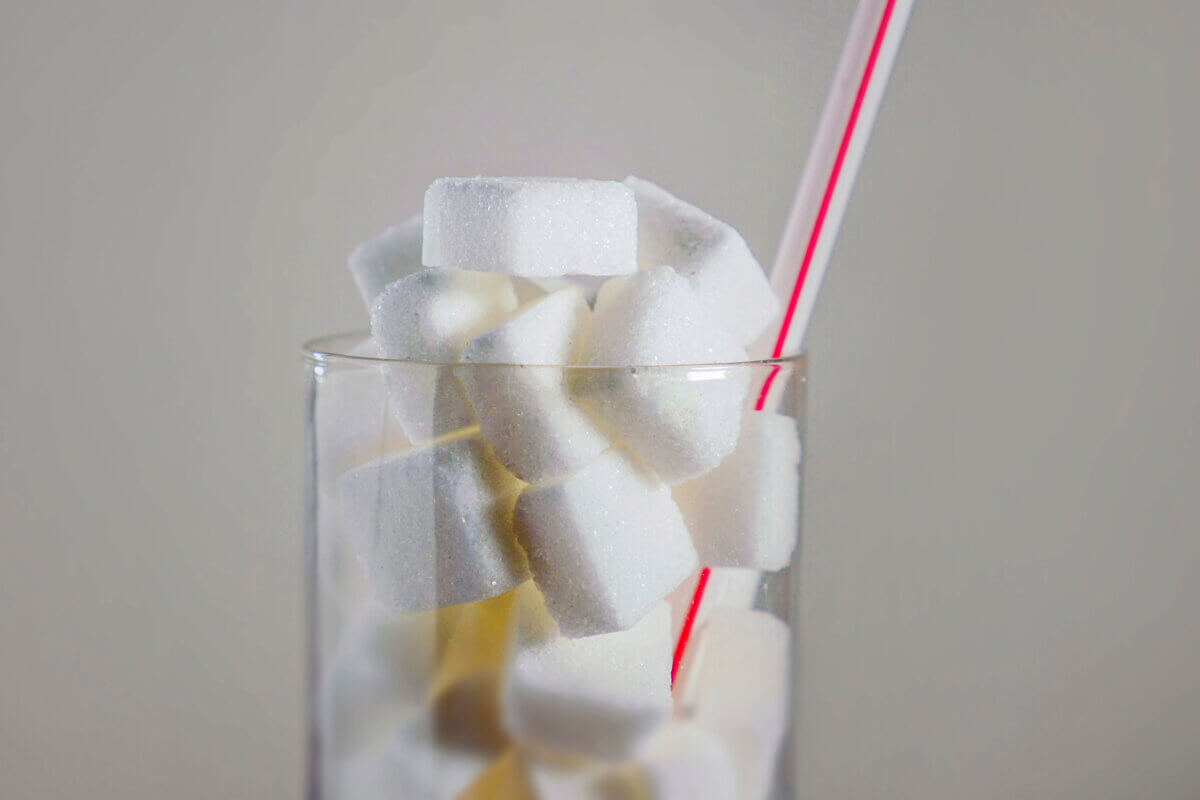
(Image by TheVisualsYouNeed on Shutterstock)
Scientists show that the sugar mix in sodas and fruit juices can make colorectal cancer cells more likely to spread, at least in lab and animal studies.
In A Nutshell
- Sugary drinks with glucose and fructose helped colorectal cancer spread in mice, without making tumors bigger.
- The enzyme SORD shifts cell energy balance, giving cancer cells more power to move and invade.
- SORD levels were higher in human colorectal tumors, hinting at clinical relevance.
- Statins blocked this pathway in mice, pointing to possible future treatments.
- Cutting back on sodas and fruit juices may reduce cancer’s ability to spread.
HOUSTON — That afternoon Coke or morning orange juice may do more than add calories. A new study suggests sugary beverages can directly boost cancer’s ability to spread.
Researchers at The University of Texas MD Anderson Cancer Center and partner institutions found that the combination of glucose and fructose, typically found in soda, fruit juice, or sports drinks, activates a pathway that makes colorectal cancer cells more mobile. Published in Nature Metabolism, the findings show this process happens without changes in body weight or tumor size.
Led by Jihye Yun, an assistant professor of genetics, the study suggests that colorectal cancer cells are using the sugars as fuel to enhance their ability to migrate and invade.
How Sugary Drinks Fuel Cancer Spread
In mouse models, researchers tested sugar solutions similar to those found in high-fructose corn syrup or table sugar, which both contain glucose and fructose in roughly equal parts. Mice with colorectal cancer tumors that drank these mixtures developed more liver metastases than mice drinking plain water or glucose alone.
The critical player is an enzyme called sorbitol dehydrogenase (SORD). When glucose and fructose are consumed together, SORD triggers a chemical shift that raises the NAD⁺/NADH ratio in cells. This ratio is like a cellular “fuel gauge” that tracks how efficiently cells can make and use energy. By tilting the balance, the cancer cells gain a surplus of usable energy that powers glycolysis (sugar breakdown) and activates the pathway that boosts their ability to move and spread.
In simple terms, the cancer cells not only get extra fuel but also a stronger engine for spreading from the original tumor to other organs.

Why Both Sugars Together Spell Trouble
Most earlier studies looked at glucose or fructose in isolation. But in real diets, these sugars almost always arrive together in popular sweetened drinks. The new research shows that only the combination produces the metastasis-boosting effect.
The team tested 13 different colorectal cancer cell lines. Growth did not increase when glucose and fructose were combined, but migration and invasion did. That means the sugars did not make tumors grow bigger; they made them better at spreading.
Colorectal cancer rates have been increasing among younger adults since the 1980s. At the same time, sugary drink consumption has surged. In the U.S., more than half of adults and nearly two-thirds of young people consume sugar-sweetened beverages daily.
One large study of nearly 100,000 women found that drinking two or more sugary drinks per week doubled the risk of developing colorectal cancer before age 50. This aligns with the mechanistic findings in the new animal research.
The study also highlights a clinical gap: many people continue drinking sugary beverages after diagnosis. Some patients even receive recommendations to consume fruit juice or energy drinks during treatment to maintain calorie intake.
But these drinks contain the same glucose/fructose mix that was shown to drive metastasis in lab models. According to the authors, dietary changes may need to become part of cancer care discussions.
Possible Treatment Avenues
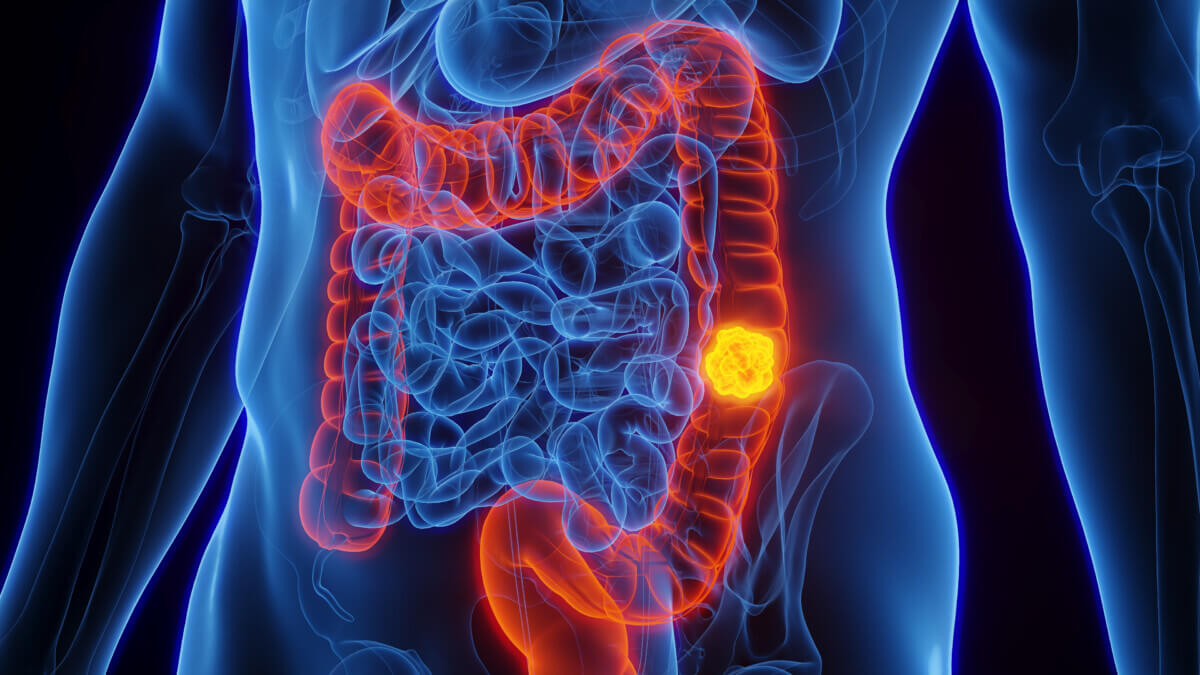
The research also points to new strategies for slowing metastasis. SORD levels were found to be higher in human colorectal tumors compared to healthy tissue. In some patient data, metastatic tumors showed even greater expression than primary ones.
Blocking the SORD pathway in mice stopped the spread-enhancing effects of sugary drinks. Statins, common cholesterol-lowering drugs, also reduced metastasis in animal experiments by disrupting the same downstream pathway.
While these results are preliminary and limited to lab and animal studies, they suggest SORD could be a promising target for future therapies. Most cancer deaths result from metastasis, not primary tumors. Strategies that prevent spread—even without shrinking the original tumor—could save lives.
What Comes Next
The researchers are now studying whether the glucose/fructose pathway plays a role in other cancer types. They are also exploring whether dietary interventions could complement standard treatments.
For now, the simplest takeaway is that cutting back on sugary beverages may lower not only the risk of developing colorectal cancer, but also its ability to spread once present.
Disclaimer: This article is for general informational purposes only and is not a substitute for professional medical advice. Patients should consult their healthcare providers before making dietary or treatment changes.
Paper Summary
Methodology
Researchers used both laboratory cell culture studies and animal models to investigate how sugar-sweetened beverages affect colorectal cancer progression. They tested 13 different human colorectal cancer cell lines under three conditions: glucose alone, fructose alone, and glucose plus fructose combined (mimicking real-world sugar consumption). The team used several mouse models, including orthotopic cecum injection, intrasplenic injection, and colonic injection to assess local tumor growth, invasion, and metastasis. They also analyzed human tumor samples and conducted metabolomics studies to identify the specific biological pathways involved.
Results
The combination of glucose and fructose significantly enhanced cancer cell migration, invasion, and metastasis compared to either sugar alone. In mouse studies, the glucose-fructose combination increased liver metastases by approximately 2-3 fold without affecting primary tumor size. The researchers identified sorbitol dehydrogenase (SORD) as the key enzyme mediating these effects. This enzyme was highly expressed in human colorectal tumors and stem-like cancer cells. The sugar combination activated the SORD reverse reaction, increasing cellular NAD+/NADH ratios, which enhanced glycolysis and activated the mevalonate pathway, ultimately promoting cancer cell motility.
Limitations
The study was conducted primarily in mouse models, which may not fully replicate human metabolism and cancer progression. The research focused specifically on colorectal cancer, so results may not apply to other cancer types. The mouse studies used relatively high concentrations of sugars that, while equivalent to human consumption, were administered continuously. Long-term effects and the minimum threshold doses for these effects were not established. Additionally, the study did not investigate how other dietary factors might modify these effects.
Funding and Disclosures
This research was supported by multiple grants including NIH R01CA262437, R21CA258134, CPRIT RR170039, a Pew-Stewart Scholar for Cancer Research Award, a V Scholar Award, and an Andrew Sabin Family Fellows Award to Dr. Yun. Additional funding came from NIH grants 5P01CA120964 and 5P30CA006516 supporting metabolomics work, and CPRIT RP180734 for bioinformatics analysis. The authors declared no competing financial interests.
Publication Information
“Fructose and glucose from sugary drinks enhance colorectal cancer metastasis via SORD” was published in Nature Metabolism on September 19, 2025. The study was conducted by researchers from The University of Texas MD Anderson Cancer Center, Baylor College of Medicine, Beth Israel Deaconess Medical Center and Harvard Medical School, and The University of Texas Health Science Center at Houston. The corresponding author is Dr. Jihye Yun from the Department of Genetics at MD Anderson Cancer Center.


