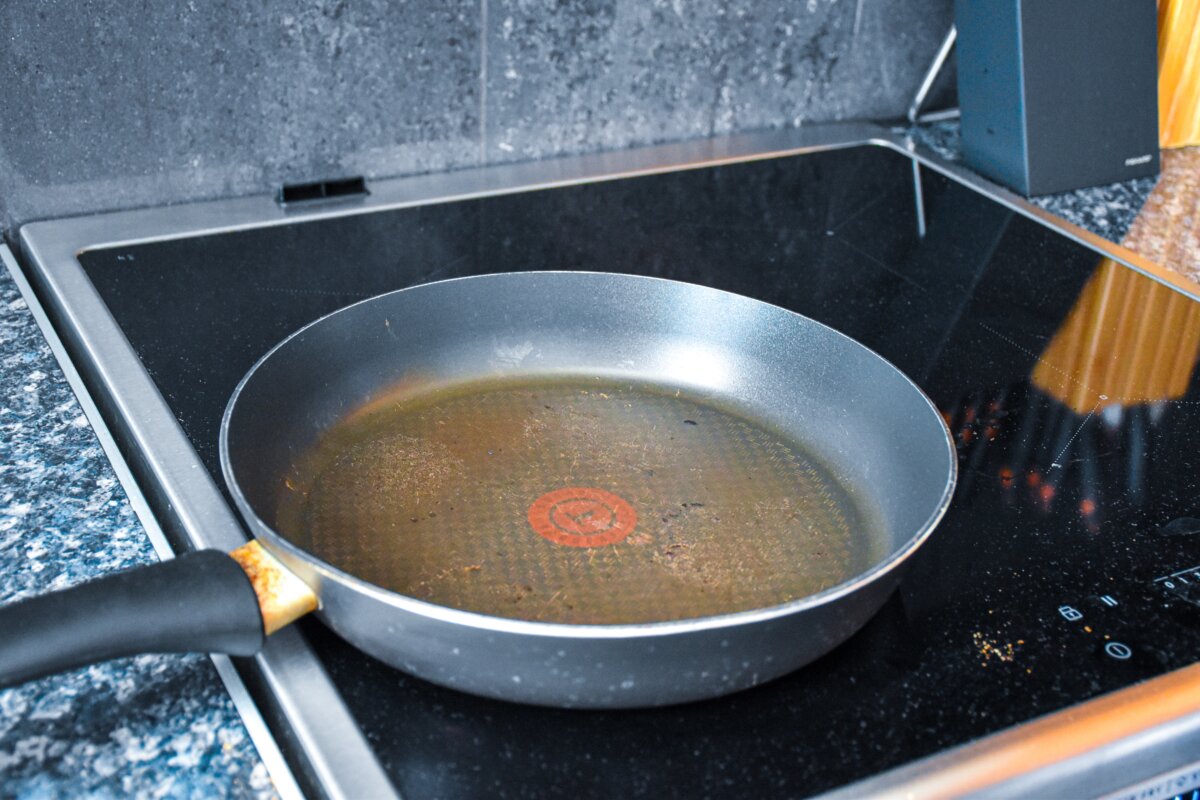
(Credit: Simca/Shutterstock)
From frying pans to muffin tins and saucepans – you can get nonstick surfaces on just about any type of cookware. However, did you know that the nonstick coating can make some people ill?
In 2023, 267 reports of suspected polymer fume fever or “Teflon flu” were reported to U.S. Poison Centers, triple the annual number in previous years. In 2019, 79 cases were reported. Similar cases have been reported since 2011, and they are increasing in frequency.
The 267 cases were not all confirmed, and not all patients reported symptoms. Some patients may have been exposed to chemicals at work.
The disorder is called polymer fume fever since the polymers that make up the nonstick coatings typically come from polytetrafluorethylene (PTFE), which prevents foods from sticking to a pan. According to the National Institutes of Health, this material can break down into tiny particles at normal cooking temperatures, releasing toxic gases and chemicals.
The Poison Center explains that “Teflon” flu is caused by inhaling the fumes from burning products, including PTFE. Symptoms include:
- headaches
- fever
- shivering or chills
- unpleasant taste
- thirst
- coughing
- nausea
- weakness
- muscle aches or cramps
Symptoms can last one to two days.
How can you prevent polymer fume fever?
Whether in your work environment or at home, these safety principles while working with fumes can help avoid illnesses:
Ventilation and Air Filtration: Use exhaust fans, open windows, or operate air purifiers equipped with HEPA filters to lessen indoor air pollution and facilitate the removal of airborne contaminants. Avoid using abrasive cleaning methods (such as using steel wool or metal scouring pads) that produce airborne particles.
Material Selection for Safer Alternatives: Opt for low-emission materials and products with reduced metal content when possible. Choose water-based or low-VOC (volatile organic compound) cleaning agents and coatings to minimize exposure to toxic substances. Choose environmentally friendly and low-emission options for consumer goods whenever doable.
For metal and polymer fume exposures, most of the symptoms will resolve in 24 to 48 hours. If you or someone you know has been exposed to metal fumes or polymer fumes and are experiencing either metal fume fever or polymer fume fever, follow these steps:
- Move away from the source causing the fumes.
- Drink plenty of water to stay hydrated.
- Over-the-counter medications such as ibuprofen and acetaminophen can help manage fever and body aches.
Call the Poison Center right away at 1-800-222-1222 to receive immediate first aid and instructions from a specially trained nurse or pharmacist.
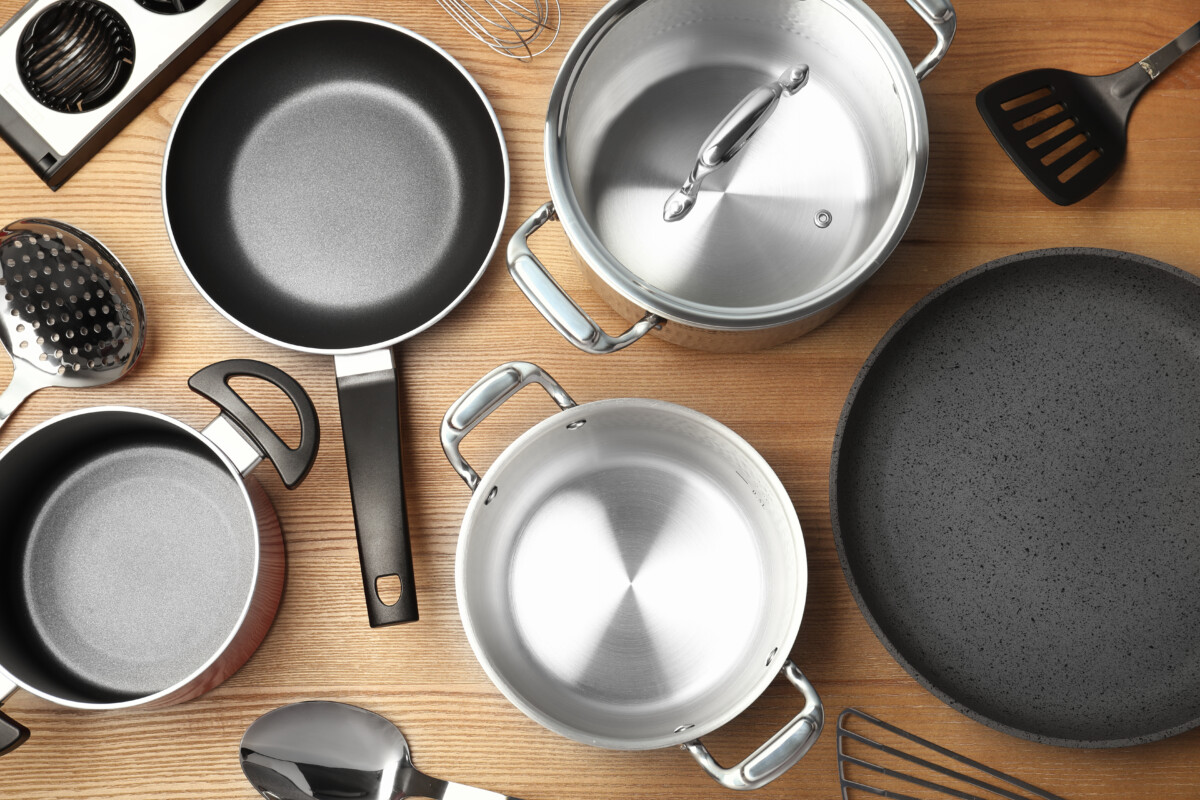
When it comes to using metal cookware, follow the manufacturer’s temperature recommendations. Don’t use nonstick pans in an oven at greater than 500°F.
PTFE-coated cookware has a lifetime of about five years. At that time, you can probably see signs of wear and tear.
Take care of your nonstick cookware to preserve that coating by handwashing these items. Don’t use abrasive scrubbers or steel wool. Use a mild soap, not harsh chemicals or detergents. Also, avoid stacking the items.


Unbelievable! I am a medical anthropologist researcher and author, focusing on the cultural causes of disease. This article does not even recommend getting rid of Teflon pans! That’s the obvious conclusion. Try using an iron skillet. Also, cook outside as much as possible if you live in a place where you can do that. And don’t overheat foods, which releases oil smoke and other burned products into the air. And if you have any nerve issues, including neurological problems from long-COVID, you should know about the formation of acrylamide in foods when heated above 248-degrees F. Acrylamide is a nerve poison and carcinogen, and governments around the world are worried about its impact on health. See my article, COOKED TO DEATH: How the acrylamide in food causes nerve damage and Long-COVID.
https://www.academia.edu/87219890/COOKED_TO_DEATH_How_the_acrylamide_in_food_causes_nerve_damage_and_Long_COVID