

(Photo by DavideAngelini on Shutterstock)
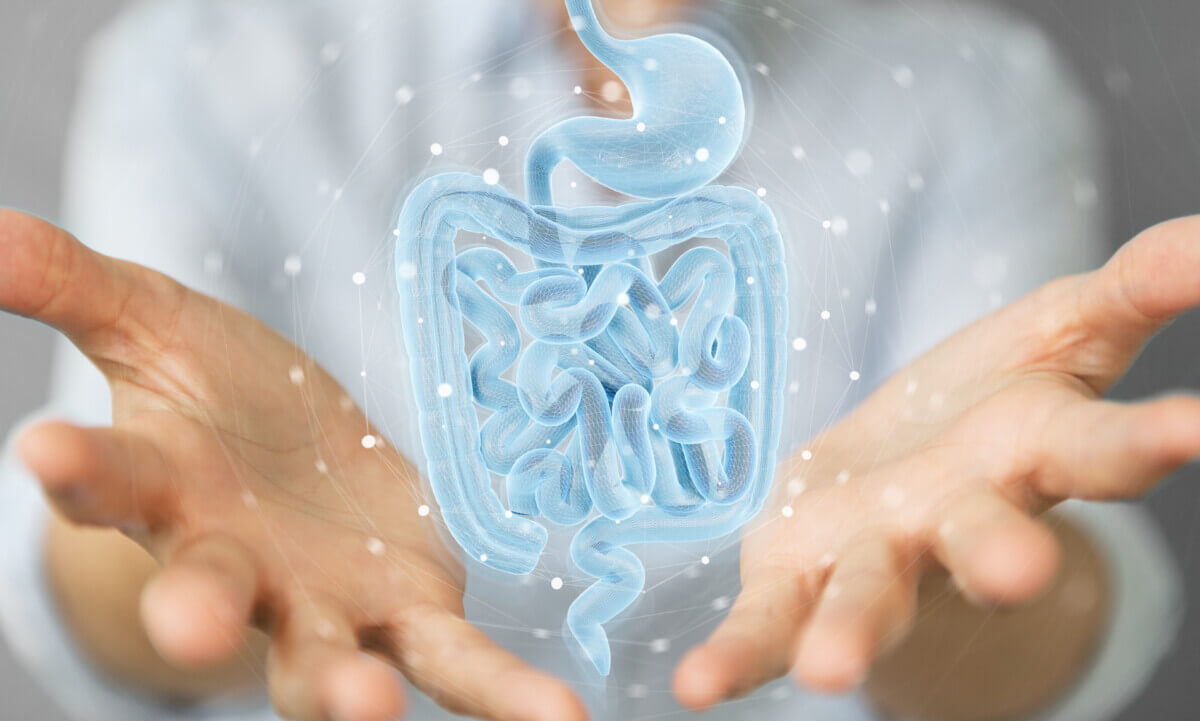
“The microbiome mingle” sounds like it could be the latest dance craze, something to replace the macarena. Simply put, the concept explains that your friends influence your gut microbiome — the 100 trillion microorganisms occupying your gastrointestinal tract.
When we’re shaking hands, sharing a meal, or participating in many social conventions, we’re also sharing our microbiomes, according to a study of more than 2,000 people in remote areas of Honduras. The more people interacted, the more alike their gut microorganism profiles became, even when they don’t live together.
It was believed that a person’s gut microbiome is determined by diet and their environment. This study, and several others, however, raise the possibility of microorganisms being transmitted between individuals.
Social scientist Nicholas Christakis from Yale University was studying how some gut bacteria and viruses increase a person’s risk for obesity. He started wondering whether friends pass on microbes to each other, in addition to influencing eating habits.
Since that time, several studies have suggested that social interactions shape the gut microbiome.
Christakis’ research showed that spouses and other members of a household share almost 14% of the same microorganisms in their gastrointestinal tracts. That number is 10% for contacts not in the same household but who regularly spend time together. People who lived in the same village but did not spend time together shared just 4% of the same strains of microorganisms. There was also evidence that friends of friends shared more strains of microorganisms than would be expected by chance.
This and similar research are changing how we understand diseases. Many conditions, such as high blood pressure and depression, are influenced by the gut microbiome. This research suggests that these diseases could be transmitted from person to person via the exchange of microbes. It raises questions about treatment in addition to the current therapies. For example, would it be beneficial for patients with depression to also treat an individual’s microbiome?
Don’t let these findings cause you to avoid friendly gatherings. Social contact can transmit favorable microbes and has many other benefits. Humans need social interactions for basic well-being, and certainly to thrive.


