
Nanoplastics and microplastics are making their way into our food and potentially causing health issues. (© Bluecooly - stock.adobe.com)
In a nutshell
- Nanoplastics may disrupt metabolism and liver function: Ingesting tiny plastic particles led to glucose intolerance, elevated liver enzymes, and gut permeability in mice—potential warning signs for human health.
- Common plastics in food packaging could be to blame: The study focused on polystyrene, a plastic frequently used in takeout containers and food wrappers, suggesting that everyday exposure may have hidden health effects.
- Findings are preliminary but concerning: While the study hasn’t yet been peer-reviewed and was conducted in mice, researchers say the results highlight the urgent need for more research and potential regulatory action on micro- and nanoplastics.
DAVIS, Calif. — We’re all inadvertently dining on tens of thousands of plastic particles annually. Now, researchers have figured out what all that plastic might be doing inside your body. A new study suggests these invisible invaders could be messing with your metabolism, liver, and blood sugar.
New research from the University of California, Davis, reveals that nanoplastics—those impossibly small plastic particles found in food and drinks—may cause glucose intolerance and liver damage. But before you swear off all packaged food forever, here’s what you actually need to know.
These plastic particles are so tiny that they’re measured in nanometers, which is billionths of a meter. Yet despite their microscopic size, these particles pack a concerning punch when it comes to our health.
This research was presented at NUTRITION 2025, the annual meeting of the American Society for Nutrition. Amy Parkhurst, a doctoral student who led the study, wanted to understand what happens when we regularly consume these plastic bits.
The Plastic Problem We Can’t See
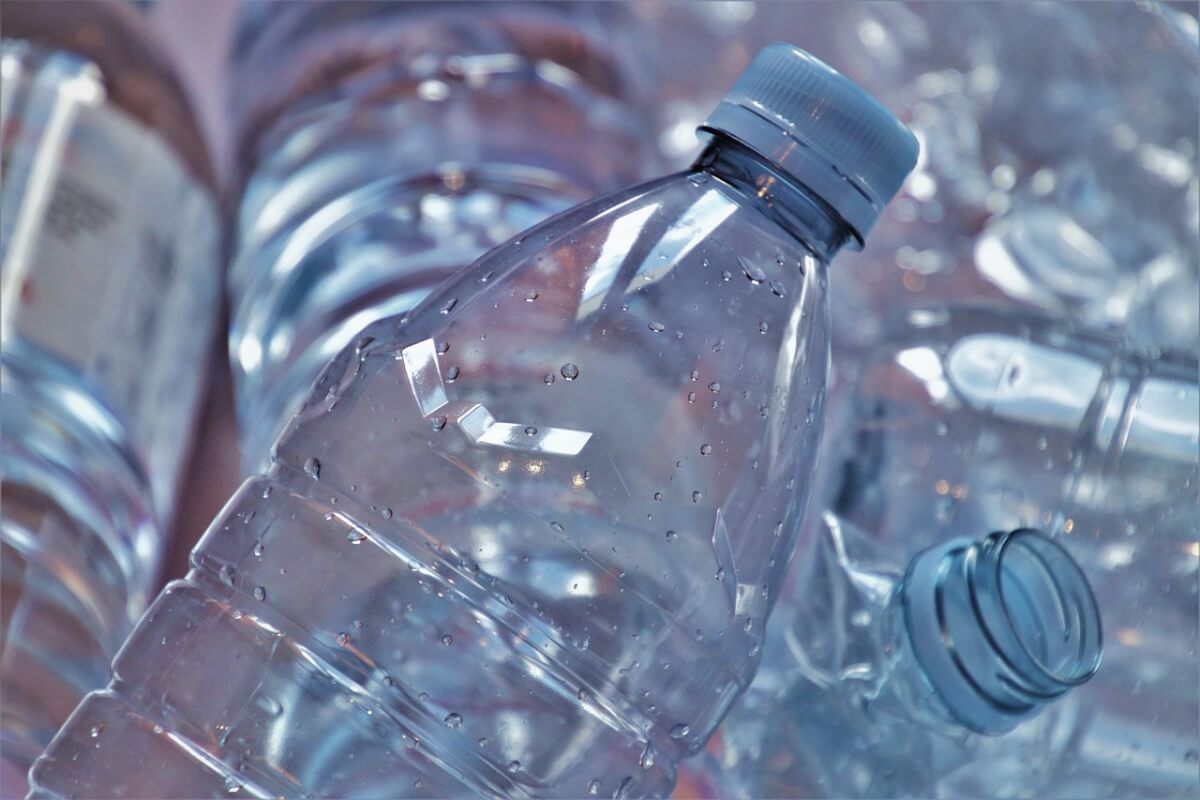
Scientists estimate that people ingest between 40,000 and 50,000 microplastic particles annually through food and beverages alone. Some studies put that number as high as 10 million particles per year. Every time you eat or drink something, you’re likely consuming thousands of these invisible fragments.
These particles come from plastic breaking down into smaller and smaller pieces. When plastic packaging degrades, when synthetic clothing sheds fibers in the wash, or when plastic waste breaks apart in the environment, it creates micro- and nanoplastics that eventually end up in our food chain. They’re in seafood, drinking water, table salt, and even honey.
READ: 9 Grocery Store Staples Hiding Harmful Microplastics
Polystyrene, the type of plastic studied, is particularly common in food packaging. You’ve probably encountered it in disposable cups, takeout containers, and protective packaging around groceries.
For this study, researchers gave 12-week-old male mice a daily dose of polystyrene nanoparticles mixed into their regular food. The dose, 60 milligrams per kilogram of body weight, was carefully chosen based on what humans are actually exposed to and previous studies that showed health effects at similar levels.
Researchers tracked the mice for seven weeks, monitoring their glucose tolerance, liver function, and gut health. Glucose tolerance tests measure how well the body processes sugar.
Blood Sugar Blues and Liver Trouble
Mice consuming nanoplastics showed signs of glucose intolerance, meaning their bodies struggled to process sugar normally. This matters because glucose intolerance can be a precursor to diabetes.
The nanoplastic-fed mice showed elevated levels of alanine aminotransferase (ALT), an enzyme that signals liver injury. When liver cells are damaged, they release ALT into the bloodstream, making it a reliable marker for liver problems.
Mice also experienced increased gut permeability, meaning their intestinal walls became more “leaky.” This allowed higher levels of endotoxins (harmful bacterial compounds) to enter their bloodstream, which contributed to liver dysfunction.
What This Means for Humans
While this study used mice, glucose intolerance and liver damage are serious health concerns that affect millions of Americans. The fact that nanoplastics can cause these problems in laboratory animals suggests they might pose similar risks to people.
Research team members acknowledged they couldn’t control for all plastic exposure in the mice since plastic is everywhere in our environment. However, their study design allowed them to see changes that correlated with the plastic dose, since the group receiving nanoplastics would have higher exposure than the control group.
This research adds to a growing body of evidence suggesting that our plastic-saturated world may be affecting human health in ways we’re only beginning to understand. Nanoplastics have been found in human blood, lungs, and even placentas, indicating they can travel throughout our bodies.

Parkhurst and her team are continuing their research, examining how nanoplastics affect other organs and tissues. They’re also working with other scientists to develop better methods for tracking where these particles accumulate in the body and understanding their effects at a molecular level.
The researchers believe their findings warrant further studies to help inform policy around micro- and nanoplastics, as scientific evidence plays a key role in shaping monitoring efforts and guiding regulations.
From water bottles to microwave containers, plastic is deeply embedded in our food system. While completely avoiding plastic exposure is nearly impossible in modern life, understanding its potential health impacts is important for preserving our health.
Paper Summary
Methodology
Researchers at UC Davis fed 12-week-old male mice a standard diet supplemented with polystyrene nanoparticles for seven weeks. Mice received 60 milligrams of plastic particles per kilogram of body weight daily through oral administration. Scientists chose this dose based on human exposure levels and previous studies showing health effects. The team monitored the mice’s glucose tolerance, liver function, and gut health throughout the study period, comparing results to a control group that received no plastic particles.
Results
Mice consuming nanoplastics developed glucose intolerance, meaning their bodies couldn’t process sugar as effectively as the control group. They also showed elevated levels of alanine aminotransferase (ALT), an enzyme indicating liver damage. Additionally, the plastic-fed mice experienced increased gut permeability, allowing harmful bacterial toxins called endotoxins to enter their bloodstream at higher levels, contributing to liver dysfunction.
Limitations
This study used only male mice of a specific age and strain, limiting how broadly the results can be applied. Research focused on just one type of plastic (polystyrene) and one method of exposure (oral consumption), while humans are exposed to many different plastic types through various routes. Study period was relatively short at seven weeks. Most importantly, animal studies don’t always translate directly to human health effects, so more research is needed to confirm these findings in people.
Funding and Disclosures
Research was supported by the National Center for Advancing Translational Sciences at the National Institutes of Health. Amy Parkhurst is also a Clinical and Translational Science Center TL1 research fellow at UC Davis. Study was presented at NUTRITION 2025, the annual meeting of the American Society for Nutrition, but hasn’t yet completed the peer review process for journal publication.
Publication Information
These findings were presented at a scientific conference but haven’t yet undergone the full peer review process required for publication in a major journal. This research was presented at NUTRITION 2025 (May 31-June 3, Orlando) by Amy Parkhurst, a doctoral candidate working in the laboratory of Fawaz George Haj, PhD, at the University of California, Davis. Findings are documented in the conference proceedings as abstract OR09-05-25 in Current Developments in Nutrition, but they represent preliminary results that haven’t undergone full peer review for journal publication.


Studies suggest we ingest microgram or low milligram amounts of microplastics per week. This study appears to have dosed at least 10-100 times that amount, not “the amount that humans are actually exposed to”. Microplastics may or may not be a concern, but stretching the truth for a dramatic effect is counterproductive and diminishes the reliability of your reporting in my eyes.