
The Vela supernova remnant, the remains of a supernova explosion 800 light-years from Earth in the southern constellation Vela, as seen from the Dark Energy Camera on the Víctor M. Blanco Telescope at Cerro Tololo Inter-American Observatory. (Credit: CTIO/NOIRLab/DOE/NSF/AURA)
In a nutshell
- A massive supernova explosion 13,000 years ago may have triggered the Younger Dryas ice age by damaging Earth’s ozone layer with deadly radiation.
- The cosmic blast likely contributed to the extinction of woolly mammoths, giant sloths, and other megafauna across North America through increased UV radiation and climate cooling.
- Scientists identified eight nearby stellar explosions that were powerful enough to significantly affect Earth’s atmosphere and climate over the past 15,000 years.
BOULDER, Colo. — A massive star exploded around 13,000 years ago, and research now suggests that the cosmic blast may have plummeted Earth into a sudden ice age while wiping out woolly mammoths, giant sloths, and other massive creatures across North America. The scientist behind the study suggests such events could continue to influence the future of our planet.
Research published in the Monthly Notices of the Royal Astronomical Societ reveals that at least eight nearby supernovas — the violent deaths of massive stars — unleashed enough high-energy radiation to strip away Earth’s protective ozone layer, trigger global cooling, and cause widespread animal extinctions. The study specifically links the Vela supernova, which exploded just 287 light-years from Earth, to the mysterious Younger Dryas period when temperatures suddenly plummeted for 1,300 years, interrupting the end of the last ice age.
Lead author G. Robert Brakenridge from the University of Colorado at Boulder analyzed 78 known supernova remnants and found a striking pattern: they appear to go hand-in-hand with climate shifts on Earth. “We have abrupt environmental changes in Earth’s history. That’s solid, we see these changes,” Brakenridge explains in a statement. “So, what caused them?”
His calculations show these stellar explosions were powerful enough to damage Earth’s atmosphere and alter the planet’s climate system, meaning our world’s environmental history has been shaped not just by earthbound disasters, but by the deaths of distant stars.
“The events that we know of, here on earth, are at the right time and the right intensity,” says Brakenridge.
When Stellar Giants Die, Earth Feels the Impact
Supernovas rank among the most energetic events in the universe. When a massive star runs out of nuclear fuel, it collapses and explodes with more energy than our sun will produce over its entire 10-billion-year lifetime. These explosions can briefly outshine entire galaxies while sending deadly radiation streaming across vast distances.
Brakenridge examined supernova remnants (the expanding shells of gas and debris left behind by these explosions) within 2,300 light-years of Earth. He calculated how much harmful X-rays and gamma rays each explosion would have delivered to our planet. While 287 light-years may sound impossibly distant (about 1,700 trillion miles), it’s practically next door in cosmic terms.
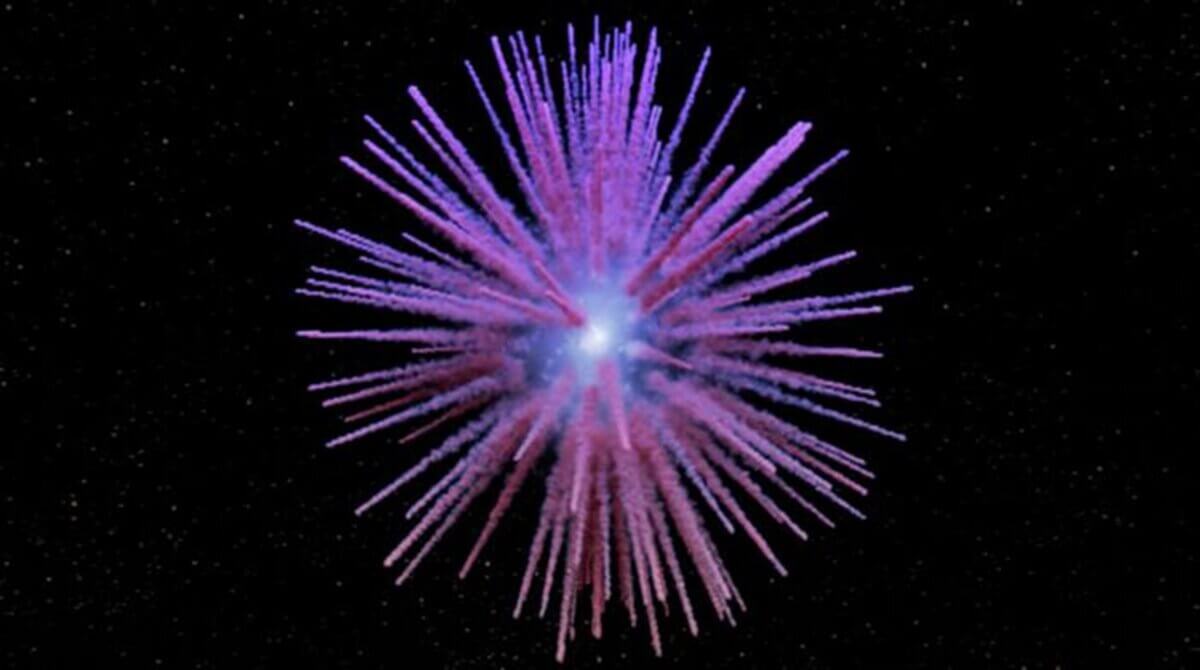
Eight supernovas were close enough and powerful enough to significantly affect Earth. The Vela explosion stands out as the most dramatic example, occurring when our planet was emerging from the last ice age around 13,000 years ago.
The Vela Supernova: A Cosmic Climate Killer
The timing of the Vela supernova aligns remarkably with several dramatic changes in Earth’s history. Brakenridge’s analysis reveals the explosion would have bombarded our planet with enough radiation to severely damage the ozone layer—the thin atmospheric shield protecting life from the sun’s harmful ultraviolet rays.
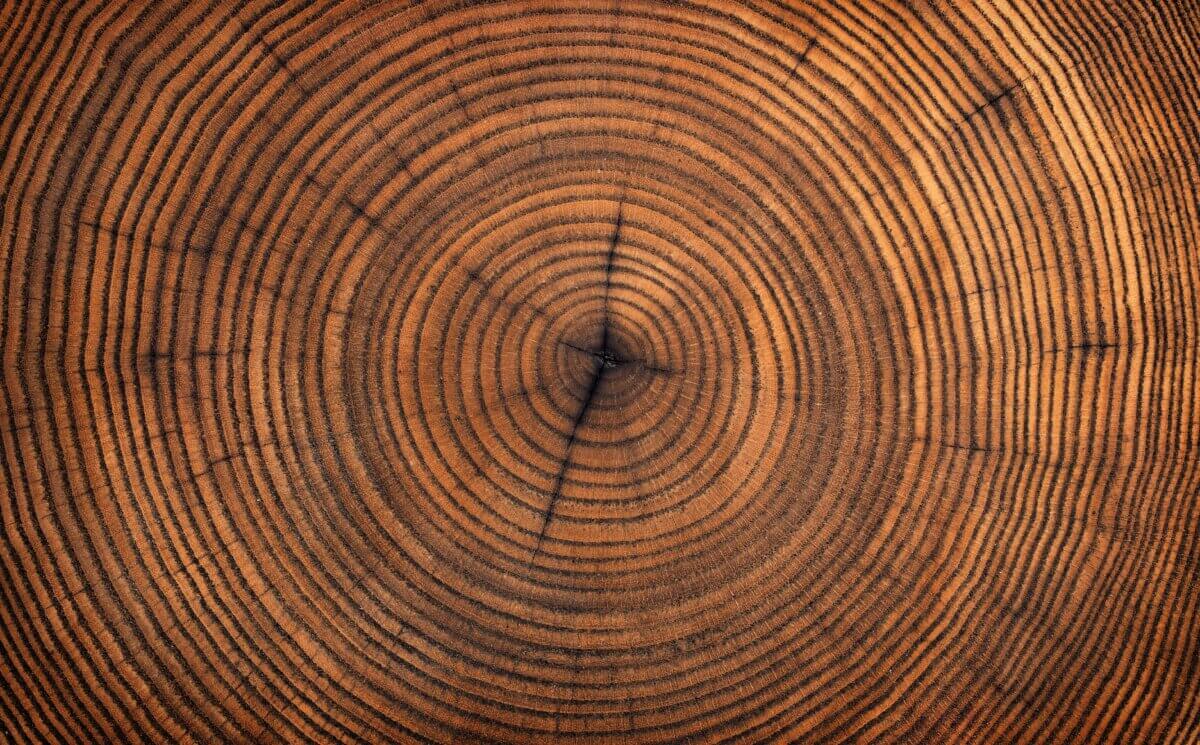
Tree ring records show a sudden 35-part-per-million spike in radioactive carbon-14, indicating massive atmospheric radiation increases. Ice cores from both poles reveal an abrupt decrease in methane concentrations. Archaeological sites across North America display mysterious “black mat” deposits marking the end of the Clovis culture, while fossil records document the extinction of mammoths, mastodons, giant ground sloths, and saber-toothed cats.
All these changes coincide with the onset of the Younger Dryas, when global temperatures plummeted and ice sheets began advancing again. When high-energy radiation hits Earth’s atmosphere, it breaks apart nitrogen molecules, creating compounds that destroy ozone. With less atmospheric protection, six times more harmful ultraviolet radiation would reach Earth’s surface, causing DNA damage in plants and animals while triggering massive wildfires.
Large animals faced particular vulnerability because they need more food and reproduce slowly, making rapid adaptation impossible. As Brakenridge notes in the paper: “Snow-blindness (photokeratitis) would be disabling for many herbivore and predator diurnal species.”
A Pattern of Cosmic Catastrophes
Beyond Vela, Brakenridge identified several other potential supernova connections throughout recent Earth history. Tree ring records show unexplained carbon-14 spikes at 9,126, 7,209, 2,764, 2,614, 1,175, and 957 years ago, all corresponding to known nearby supernova remnants of appropriate ages and distances.
The Hoinga supernova, exploding about 15,000 years ago at roughly 350 light-years away, may have caused a single-year 30-part-per-million carbon-14 rise coinciding with another cold period called the Older Dryas. The data reveals a clear dose-response relationship: closer explosions created larger environmental impacts.
What is a carbon-14 spike?
Carbon-14 is a radioactive form of carbon that forms naturally when cosmic radiation hits our atmosphere. Trees absorb this carbon as they grow, creating a record in their rings. When scientists see a sudden “spike” or increase in carbon-14 levels in tree rings from a specific year, it means something caused much more cosmic radiation than normal to hit Earth’s atmosphere, like a nearby supernova explosion or intense solar storm.
Alternative Explanations and Future Threats
Many scientists remain skeptical, pointing to alternative explanations for these environmental changes. The Younger Dryas might result from ocean circulation disruptions caused by massive freshwater floods as ice sheets melted. Carbon-14 spikes could stem from intense solar storms rather than distant supernovas. Megafauna extinctions might be due to human hunting, regular climate change, or asteroid impacts.
Recent evidence supports comet impacts during the Younger Dryas, with researchers finding platinum and rare metals in sediment layers indicating extraterrestrial strikes. However, Brakenridge argues supernova radiation could have disrupted the Oort Cloud (the distant shell of icy objects surrounding our solar system) potentially triggering increased comet bombardment.
“When nearby supernovae occur in the future, the radiation could have a pretty dramatic effect on human society,” says Brakenridge. “We have to find out if indeed they caused environmental changes in the past.”
Currently, several nearby stars could become future supernovas, including Betelgeuse, a red giant about 170 light-years away that may explode within a million years. While unlikely to cause mass extinction, such an event could still measurably affect Earth’s atmosphere and climate.
“As we learn more about our nearby neighboring stars, the capability for prediction is actually there,” Brakenridge adds. “It will take more modeling and observation from astrophysicists to fully understand Earth’s exposure to such events.”
The research fundamentally changes how we view the forces shaping life on Earth. Beyond recognizing asteroid impacts, volcanic eruptions, and climate cycles, we must now consider that stellar explosions thousands of light-years away can trigger ice ages and extinctions. Earth’s environmental story has been written not just by local events, but by the deaths of distant stars, cosmic events that emphasize our planet’s connection to the broader universe.
Paper Summary
Methodology
Researcher G. Robert Brakenridge analyzed 78 known supernova remnants within 2,300 light-years of Earth, using published distance and age estimates to calculate the radiation exposure each explosion would have caused. He assumed each supernova released 4 × 10^49 ergs of high-energy radiation over two years, based on recent observations of extragalactic supernovas. The study then compared the timing of nearby supernovas to dated environmental records including tree ring radiocarbon measurements, ice core data, fossil records, and geological deposits.
Results
Eight supernovas were identified as potentially causing effects on Earth, with the closest events producing the largest environmental impacts. The Vela supernova (13,000 years ago, 287 light-years away) showed the strongest correlation with environmental changes, coinciding with radiocarbon spikes, the Younger Dryas cooling period, and megafauna extinctions. Additional correlations were found between other nearby supernovas and abrupt radiocarbon increases in tree rings spanning the past 15,000 years, revealing a dose-response relationship between supernova proximity and atmospheric effects.
Limitations
The study acknowledges uncertainties in supernova age and distance estimates, typically around ±20 percent or more. Alternative explanations exist for most environmental changes examined, including solar storms for radiocarbon spikes, ocean circulation changes for climate shifts, and human impacts for extinctions. The assumed supernova energy output is based on limited observational data and may not apply to all explosion types. Additionally, connecting stellar explosions to complex Earth system changes requires multiple assumptions about atmospheric chemistry and climate responses.
Funding and Disclosures
Publication of this research was supported by the University of Colorado Boulder Libraries Open Access Fund. The author declared no competing interests or additional funding sources.
Publication Information
The study “Late Quaternary supernovae in Earth history” by G. Robert Brakenridge was published in Monthly Notices of the Royal Astronomical Society, volume 539, pages 3201-3219, in 2025. The paper was accepted on March 31, 2025, and published with advance access on April 4, 2025.


