
Father and son gaming (© Prostock-studio - stock.adobe.com)
SUITA, Japan — In a plot twist worthy of the most engaging video game, new research suggests that leveling up your gaming habits might just level up your mental health. The study turns the conventional wisdom about video games on its head, revealing that picking up a controller could be more than just a way to pass the time – it could be a power-up for your psychological well-being.
That said, the findings don’t suggest going on all-you-can-play gaming binges. Researchers say those benefits fade after playing video games beyond three hours.
For years, video games have been the final boss in debates about screen time and mental health. Parents, policymakers, and even some researchers have warned about the potential dangers of excessive gaming, from addiction to aggression. However, this new study, conducted in Japan during the COVID-19 pandemic, provides compelling evidence that moderate gaming might actually be a winning strategy for improving mental health.
The research team, led by Hiroyuki Egami, Ph.D., Assistant Professor at Nihon University, took advantage of a unique situation created by the pandemic. Supply chain disruptions led to shortages of popular gaming consoles like the Nintendo Switch and PlayStation 5 in Japan. As a result, many retailers used lotteries to determine who could purchase these coveted devices. This created a natural experiment, allowing researchers to compare the mental health of lottery winners who acquired new consoles to those who didn’t.
“Our findings challenge common stereotypes about gaming being harmful or merely providing temporary euphoria,” says Egami in a university release. “We’ve shown that gaming can improve mental health and life satisfaction across a broad spectrum of individuals.”
The study, published in Nature Human Behaviour, analyzed survey responses from nearly 100,000 Japanese individuals between the ages of 10 and 69, collected between December 2020 and March 2022. Of these, about 8,200 had participated in console lotteries. The results were striking: lottery winners who obtained a new gaming console showed significant improvements in mental health compared to non-winners.
Specifically, owning a Nintendo Switch improved mental health by 0.60 standard deviations, while owning a PlayStation 5 improved it by 0.12 standard deviations. PlayStation 5 ownership also increased life satisfaction by 0.23 standard deviations. These aren’t just marginal gains – they represent substantial improvements in psychological well-being.
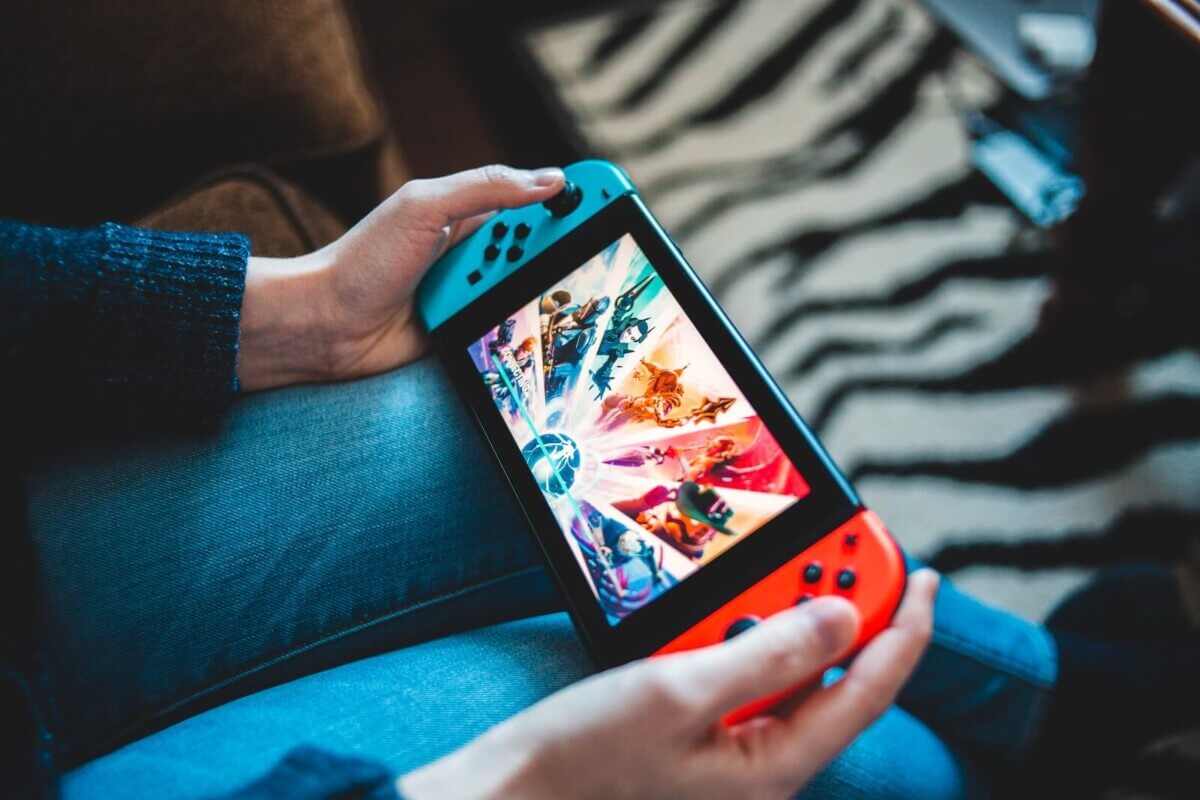
Perhaps most intriguingly, the study found that increased time spent gaming led to better mental health outcomes. However, the benefits began to taper off for those gaming more than three hours per day, suggesting moderation is key.
The positive effects of gaming weren’t uniform across all groups. Using advanced machine learning techniques, the researchers uncovered some fascinating nuances. For instance, the PlayStation 5 showed smaller benefits for adolescents and females, while the Nintendo Switch demonstrated larger benefits for adolescents.
“As an epidemiologist, I’ve often seen concerns about gaming’s negative impacts. However, this study’s robust methodology challenges those preconceptions. It highlights the need for a more nuanced approach in studying digital media’s effects on health,” notes Md. Shafiur Rahman, Ph.D., a senior assistant professor at Hamamatsu University School of Medicine and second author of the study.
These findings challenge the notion that video games are harmful to mental health and suggest they may actually serve as a form of stress relief or mood management for many players. The researchers propose several possible explanations for gaming’s positive effects, including its ability to provide a sense of achievement, foster social connections, and offer an engaging form of escapism during stressful times.
Of course, the study has its limitations. The data was collected during the unique circumstances of the COVID-19 pandemic when people had fewer options for entertainment and socialization. It’s possible that gaming’s mental health benefits were amplified during this period of increased stress and isolation.
Nevertheless, this research provides some of the strongest evidence to date that moderate video game play can be a positive force for mental well-being. While concerns about gaming addiction and excessive screen time shouldn’t be dismissed entirely, this study suggests that moderate gaming could be a valuable tool for promoting mental health. As we navigate the digital landscape of the 21st century, finding the right balance – and perhaps the right games – could be key to leveling up our collective well-being.
Paper Summary
Methodology
The researchers cleverly utilized a “natural experiment” created by gaming console lotteries in Japan. This approach compared the mental health of lottery winners who acquired new consoles to those who didn’t, helping to rule out other factors that might influence both gaming habits and mental health.
Data collection involved surveys gathering information on gaming habits, mental health (measured by the K6 scale), and life satisfaction (measured by the SWLS). The study employed sophisticated statistical techniques, including regression analysis and machine learning, to analyze the data and identify the effects of gaming on mental health.
Key Results
The study’s findings were quite remarkable. Winning a Nintendo Switch lottery reduced psychological distress by 0.18 standard deviations while winning a PlayStation 5 lottery decreased distress by 0.08 standard deviations and boosted life satisfaction by 0.15 standard deviations.
Interestingly, each additional hour of daily gaming improved mental well-being by 0.20 standard deviations and life satisfaction by 0.27 standard deviations. However, these benefits started to diminish after 3 hours of daily gaming. The effects weren’t uniform across all groups, varying based on factors like age, gender, and family structure.
Study Limitations
As with all research, this study has its limitations. Conducted during the COVID-19 pandemic, the unique circumstances may have influenced the results. The sample was limited to Japan, potentially affecting its global applicability. Reliance on self-reported data introduces the possibility of bias. While the natural experiment design is robust, it can’t completely eliminate all potential confounding factors. These limitations underscore the need for further research to confirm and expand upon these findings.
Discussion & Takeaways
The study’s implications are profound. Moderate video game play appears to have positive effects on mental health, potentially serving as a form of stress relief and mood management. The type of gaming console and player demographics influence the mental health benefits, suggesting a nuanced relationship between gaming and well-being. While these findings are promising, more research is needed to understand the long-term effects and determine the optimal “dosage” of gaming for mental health benefits.
Funding & Disclosures
Transparency in research funding is crucial. This study was supported by several Japanese research grants, including JSPS KAKENHI. Importantly, the authors declared no competing interests that might have influenced the results or discussion reported in the paper, bolstering confidence in the study’s objectivity.


