
pexels.com
HERNDON, Va. — When you think of the most desirable places to live in America, what comes to mind? Lavish mansions in Beverly Hills? Sleek penthouses overlooking New York’s Central Park? While these affluent areas certainly have their perks, a new study suggests that living in the lap of luxury might come with some unexpected dangers.
Researchers from Rutgers University have uncovered a surprising twist in the tale of America’s richest and poorest communities. Their findings, published in the journal Risk Analysis, reveal that wealth doesn’t always equal safety when it comes to certain environmental and health risks.
“Relationships between income and the geography of hazards and risks are not that simple. Low-income areas are burdened by many hazards, yet even the most affluent suburban residents cannot escape the hazards of living near industrial and waste management facilities,” explains Michael Greenberg, the study’s lead author, in a university release.
So, what exactly did the researchers discover? Let’s break it down.
Natural Disasters: The Price of Paradise
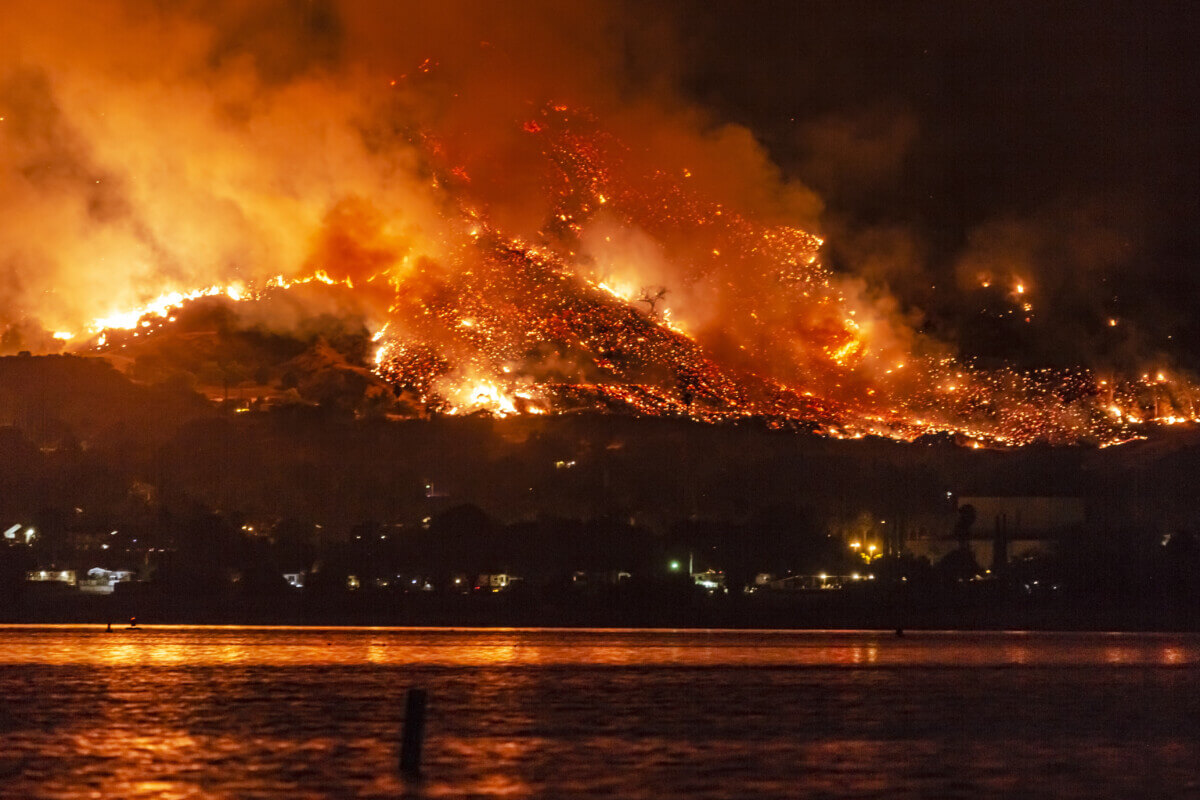
It turns out that some of the most coveted zip codes in the country are also among the most vulnerable to natural disasters. The study found that seven out of the 10 highest natural hazard risk locations for wealthy communities are in California. Think about those stunning cliffside homes in Malibu or the sprawling estates in the hills of Los Angeles. While they offer breathtaking views, they’re also prime targets for wildfires, earthquakes, and landslides.
“The wealthiest people often choose to live in places that are dangerous due to natural hazards,” Greenberg notes.
It’s not just California, though. The other top-risk locations for the rich include Houston, Texas; Huntsville, Alabama; and Oklahoma City, Oklahoma – all areas prone to earthquakes, fires, floods, and tornadoes.
Why does this matter? Well, when disaster strikes, the wealthy stand to lose more in terms of property value. Their homes and possessions are often worth millions, making the economic impact of a natural disaster potentially devastating.
Urban Hazards: The Downside of City Living
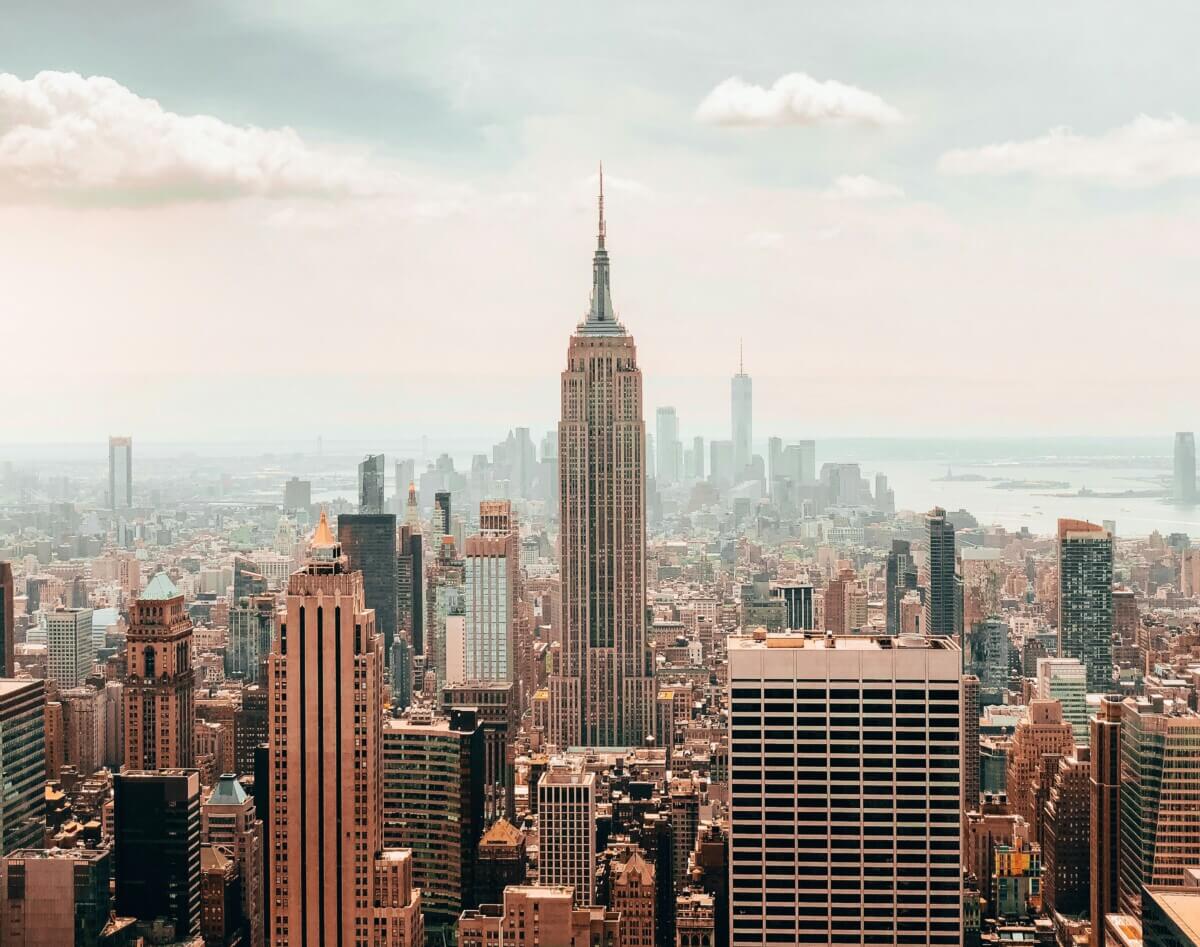
Interestingly, the study also found that America’s wealthiest communities tend to be in more densely populated urban and suburban areas. While this might mean easier access to top-notch restaurants, entertainment, and job opportunities, it also comes with some less glamorous neighbors: industrial facilities, waste management sites, and heavy traffic.
These factors contribute to higher levels of air pollution and potential exposure to toxic waste – not exactly the kind of amenities you’d expect in a million-dollar neighborhood. It’s a reminder that even the most exclusive gated communities can’t completely shut out the realities of modern urban life.
The Rural Divide: A Different Set of Challenges
On the flip side, the study found that America’s poorest communities, often located in rural areas, face a completely different set of risks. While they’re less likely to be impacted by natural disasters or urban pollution, they grapple with their own set of serious challenges.
The research revealed that the lowest-income municipalities have at least 50% higher rates of suicide, homicide, and firearm fatalities compared to the national average. They also tend to have higher rates of smoking and lower life expectancy.
Access to healthcare is another major issue. Rural communities often lack nearby hospitals and specialists, making it harder for residents to get the care they need. Education is impacted too, with the study finding nearly 40% higher risk for lack of educational achievement in the poorest counties compared to the richest.
A Tale of Two Cities (or Counties)
To really drive home the disparities, the researchers compared some of the richest and poorest municipalities in several states. Take North Carolina, for example. They looked at Marvin, an affluent suburb of Charlotte, and Enfield, a struggling town on the South Carolina border.
Despite being in the same state, these two communities might as well be on different planets. Marvin is over 85% non-Hispanic White, with top-rated schools and a growing economy. Enfield, just 260 miles away, is 85% African American, with a struggling school system and limited economic opportunities.
“Marvin represents growing affluence and Enfield represents an overlooked poor African American community,” Greenberg says.
Discussion & Takeaways
This study serves as a wake-up call that no community is immune to risk, but the nature of those risks can vary widely depending on factors like wealth, location, and demographics. It also highlights the complex relationship between socioeconomic status and environmental hazards.
So, what can you do with this information? Greenberg suggests taking advantage of free resources to learn more about the risks in your own community. He recommends tools like the EPA’s EJScreen, which provides detailed information about environmental and demographic factors for any given area.
“You can put a circle around your house and find out all kinds of information,” Greenberg concludes. “Why not educate yourself?”
Whether you’re house-hunting in Beverly Hills or considering a move to small-town America, understanding the potential risks of your chosen location is crucial. After all, as this study shows, even paradise can have its pitfalls.


