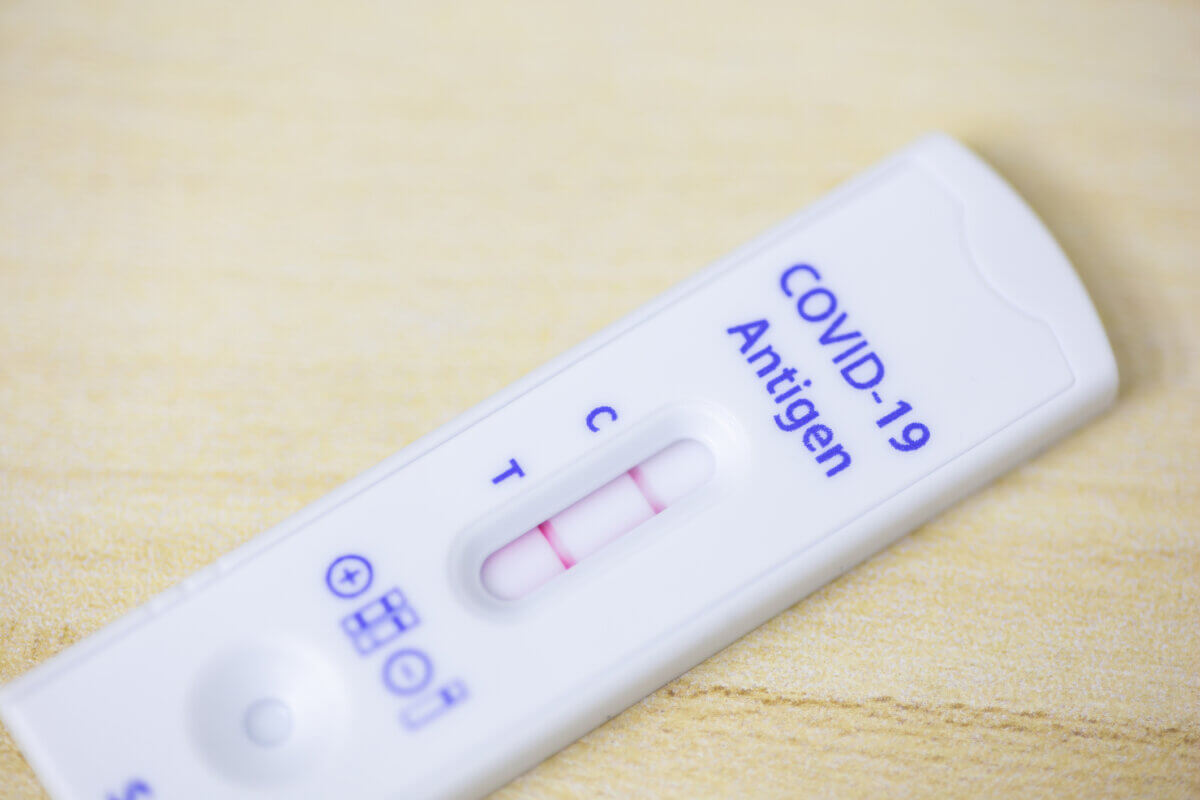
(Credit: © Supoj Buranaprapapong | Dreamstime.com)
COVID-19 is alive in new forms and still making people sick. While the pandemic is behind us and infections don’t cause the same level of fear for most of us as they once did, that doesn’t mean we shouldn’t take a positive test less seriously.
Here are the practical steps you should take if you’ve tested positive and, just as importantly, why you should take them.
Step 1: Yes, you should still isolate yourself
With a positive test, assume that you’re shedding the virus. False positive tests are rare. That means that you can and probably are spreading the disease. We’ve learned that COVID-19 is highly contagious, especially if you are usually indoors among other people. In a small room you can infect a dozen or more people in 30 minutes. Stay away from people who are not already infected.
It’s been difficult to keep up with recommendations for how long to stay isolated. It isn’t a matter of the policymakers lacking transparency. They are not attempting to deny you information, nor to mislead you. The thousands of scientists and physicians dissecting the mysterious disease and its biochemistry simply don’t have all the answers. They make the recommendations with the best information available at the time, via a complex process and the input from many researchers and physicians. They are painstaking about including patients’ and the public’s viewpoints and experiences in the decision-making. It was the public that named the prolonged disease called “long covid.”
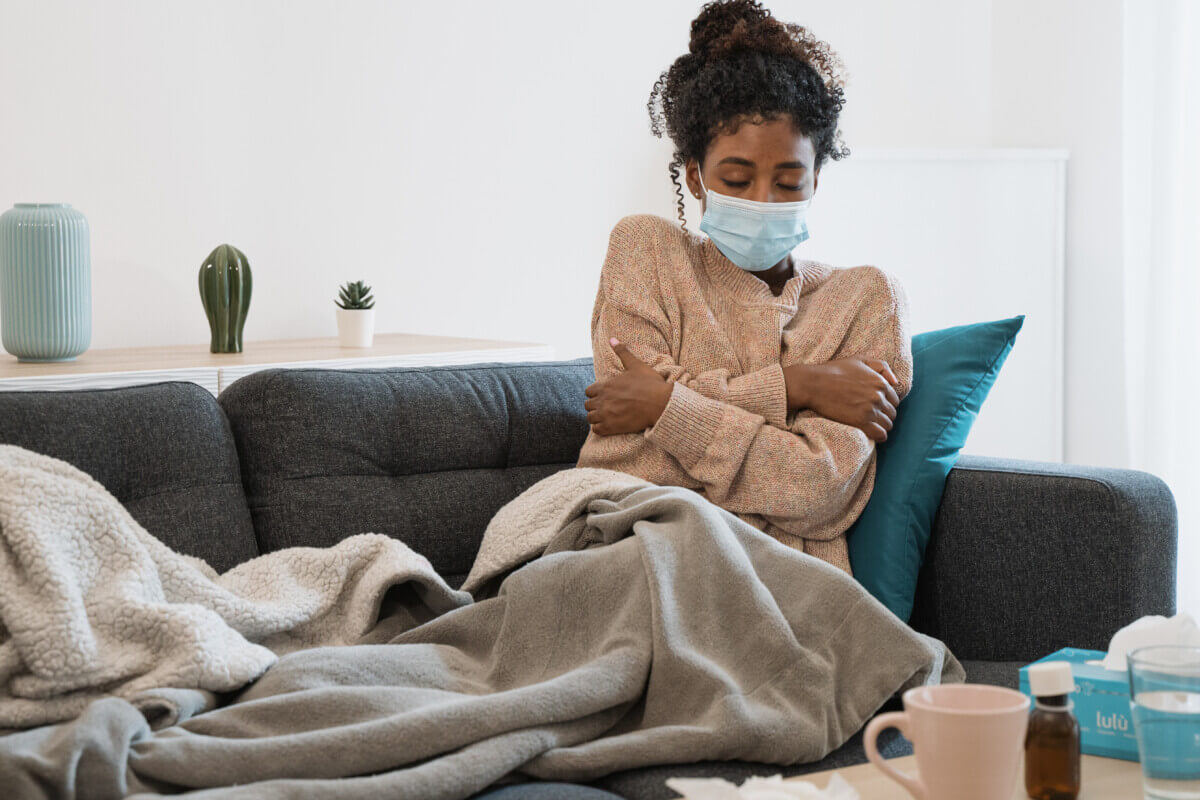
All those recommendations could change tomorrow, as scientists discover new features and behaviors of the disease. Early in the pandemic, the recommendation was 10 days of isolation because the best information available was that a person with the disease could still be shedding the virus for up to nine days, thus remaining contagious. Since 2020, however, The Centers for Disease Control and Prevention (CDC) has recommended briefer and briefer periods of isolation.
Currently, the CDC has no recommendations specific to COVID-19 only. Instead, their policy is that of general respiratory virus isolation. The guidance is to return to normal activities when, for 24 hours, both these criteria are met:
- Your symptoms are improving overall.
- You have no fever (and are not using fever-reducing medication).
What does “Improving overall” mean? It is still a judgment call, especially since some days with COVID-19 are worse than the day before, even when you’re recovering. Trust your gut. Is it telling you, really, that you’re over the worst? If you can, wait one more day, to validate that sense. Your coworkers, friends, and family will appreciate it.
“When you go back to your normal activities, take added precaution over the next 5 days, such as taking additional steps for cleaner air, hygiene, masks, physical distancing, and/or testing when you will be around other people indoors. Keep in mind that you still may be able to spread the virus that made you sick, even if you are feeling better.
“If you develop a fever or you start to feel worse after you’ve gone back to normal activities, stay home and away from others again until, for at least 24 hours, both are true: your symptoms are improving overall, and you may have not had a fever (and are not using fever-reducing medication). Then take added precaution for the next 5 days.”
You really can’t be sure that you aren’t still shedding the virus until 10 days after you became ill. The commercial tests you can buy have a high false negative rate. So, while if your home test is positive, it’s safe to assume it’s true, if your test is negative, it isn’t as reliable for assessing whether you truly aren’t shedding the virus. It’s harder to get a good saliva sample that has enough virus for an accurate test when you’re in the recovery phase.
Step 2: Notify your contacts
To the best of your ability, notify everyone whom you might have infected, just as you would want to know if you had potentially been exposed. Recall when you started having symptoms or had a positive test. You may have been contagious for a few days before that. Inform everyone who you crossed paths with indoors or in tight outdoor spaces, up until the time you started isolating yourself. Give them the date that you first tested positive, and when your symptoms started (if you had symptoms.)
By notifying those you may have exposed, you’re giving them the opportunity to take precautions and avoid infecting others. They may want to isolate themselves or use an N65 mask. Someone can be carrying the virus for 2 to 14 days before having symptoms (like you). Their risk varies with their duration of exposure to you, how closely they were exposed, when you interacted, and precautions they may have already been taking, such as wearing a mask. Remember, they may have people in their lives with weak immune systems, cancer, or chronic disease, in whom COVID-19 could be catastrophic, even fatal.
Step 3: Consult a health professional about treatment
This step is especially important if you:
- Are unvaccinated
- Are older than 65 years
- Have chronic medical conditions
- Have a weakened immune system or take immunosuppressive drugs
In these situations, it may be best to start antiviral medications immediately.
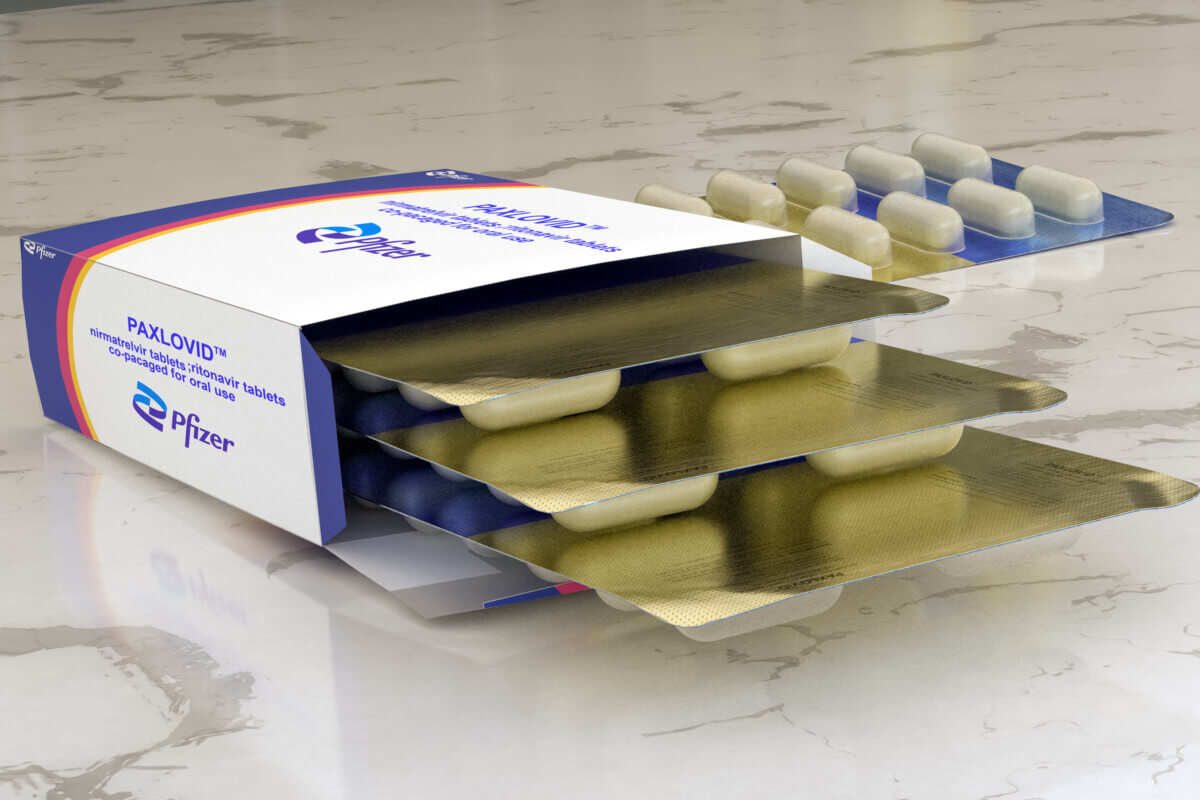
Currently, there are two oral antiviral medications. One is Paxlovid (nirmatrel/ritonavir) and the other is Lagevrio (molnupiravir). To be effective, either must be started within five days of the onset of symptoms. After that, the virus has already securely taken hold of you.
Testing positive for COVID-19 does NOT mean that you are immune from getting the disease again. The immunity from infection starts to subside after about four months. New variants form, to which you are not immune.
Infected or not, you may want to take precautions if you are in tight quarters with others:
- Wear an N65 mask.
- Make sure your area of potential exposure is well-ventilated.
- Consider an air purifier indoors.
- Wash your hands frequently.
- Keep a reasonable distance from others.
- Stay up to date on your COVID-19 vaccination.
You can read more about COVID-19 and keep up with recommendations here.


