

(Credit: © Yuri Arcurs | Dreamstime.com)
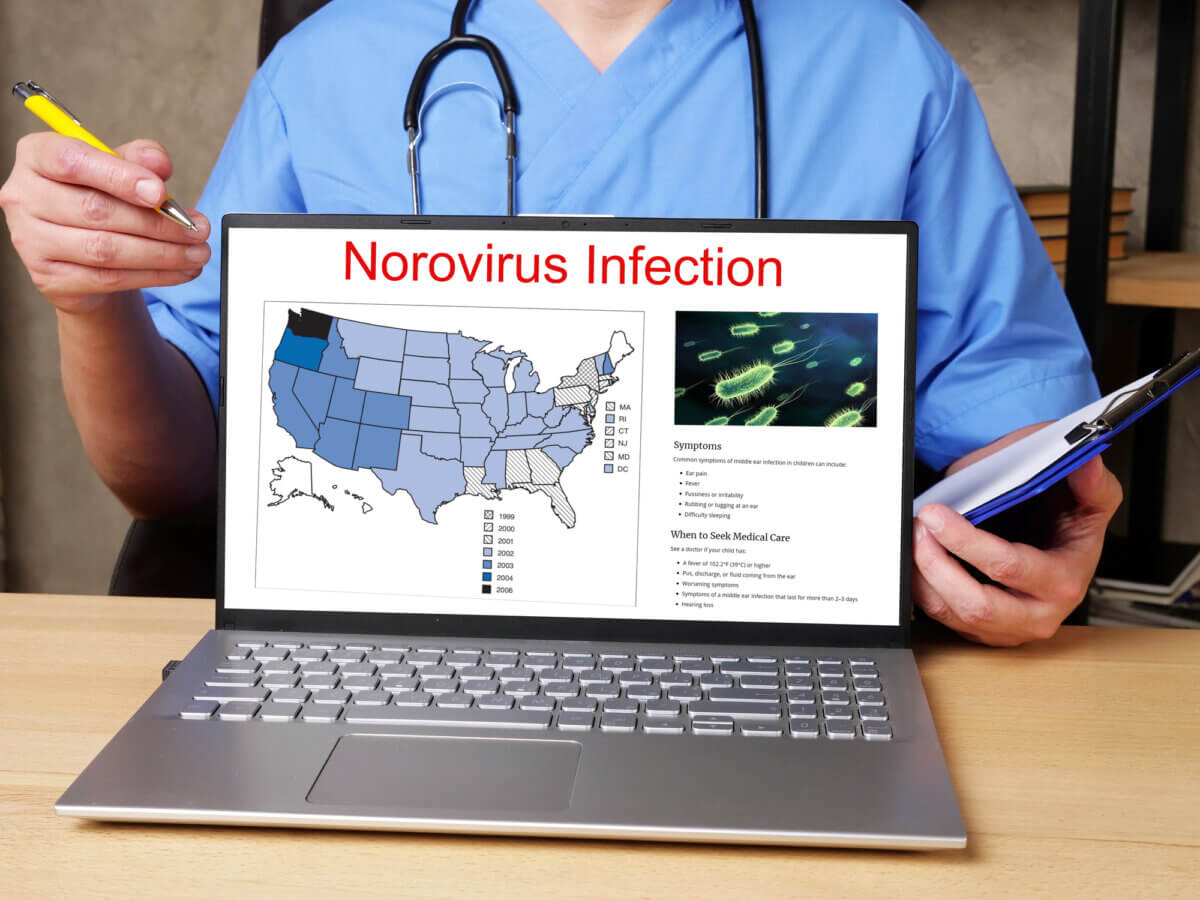
The start of the new year hasn’t been too kind to millions of Americans, who have had their bellies bulldozed by the norovirus. Though previously uncommon, this particular strain, dubbed GII.17[P17], is responsible for most of the current outbreaks across the nation, according to data from the Centers for Disease Control and Prevention.
Norovirus is the leading cause of vomiting and diarrhea — or what we like to often refer to as the “stomach flu” — in the United States. Of course, despite its nickname, it’s not actually related to influenza. The medical term for the illness it causes is acute gastroenteritis, which is inflammation in the stomach and/or the intestines.
Each year there are about 2,500 reported outbreaks of norovirus in the US. The peak months for outbreaks are November to April. The virus also causes 58 percent of foodborne illnesses in the U.S. annually. Each year, on average, norovirus causes:
- 19 to 21 million illnesses
- 900 deaths, mostly in people older than 65 years
- 109,000 hospitalizations
- 2,735,000 outpatient or emergency service visits – most of the visits are are people younger than five years or older than 85 years.
- An economic impact in the US of about $2 billion, mostly from medical care and lost wages.
You can get ill with norovirus many times in your life because there are many types of noroviruses. Infection with one type doesn’t necessarily mean that you’re protected from other types. If you do get some protection, no one knows how long that protection lasts.
Who is at risk for infection?
Anyone of any age can get infected during an outbreak. Some people have a genetic makeup that puts them at greater risk for developing the illness. Children younger than 5 years old, older adults, and people with weakened immune systems are especially vulnerable to both getting norovirus and getting more severe infections.
Norovirus can be contracted by eating raw or undercooked oysters and other filter-feeding shellfish, such as clams, mussels, and scallops.
How norovirus spreads
You can contract norovirus by getting tiny particles of feces (poop) or vomit in your mouth from a person infected with norovirus. It takes ingesting only a few particles for a person to get sick. If you get the illness, you are shedding billions of norovirus particles that you can see only with a microscope.
Norovirus can spread through contaminated food when:
- A person with norovirus handles food with their bare hands.
- Food is placed on a surface that has poop or vomit particles on it.
- Droplets of vomit from a person with norovirus spray through air onto food or surfaces.
- Food is grown with contaminated water (like oysters), or fruits and vegetables are watered with it in the field.
Drinking water can become contaminated when a septic tank leaks into a well, or a person with the virus vomits or poops in a water source. It can also occur if water isn’t treated properly, such as with enough chlorine.
Signs and symptoms
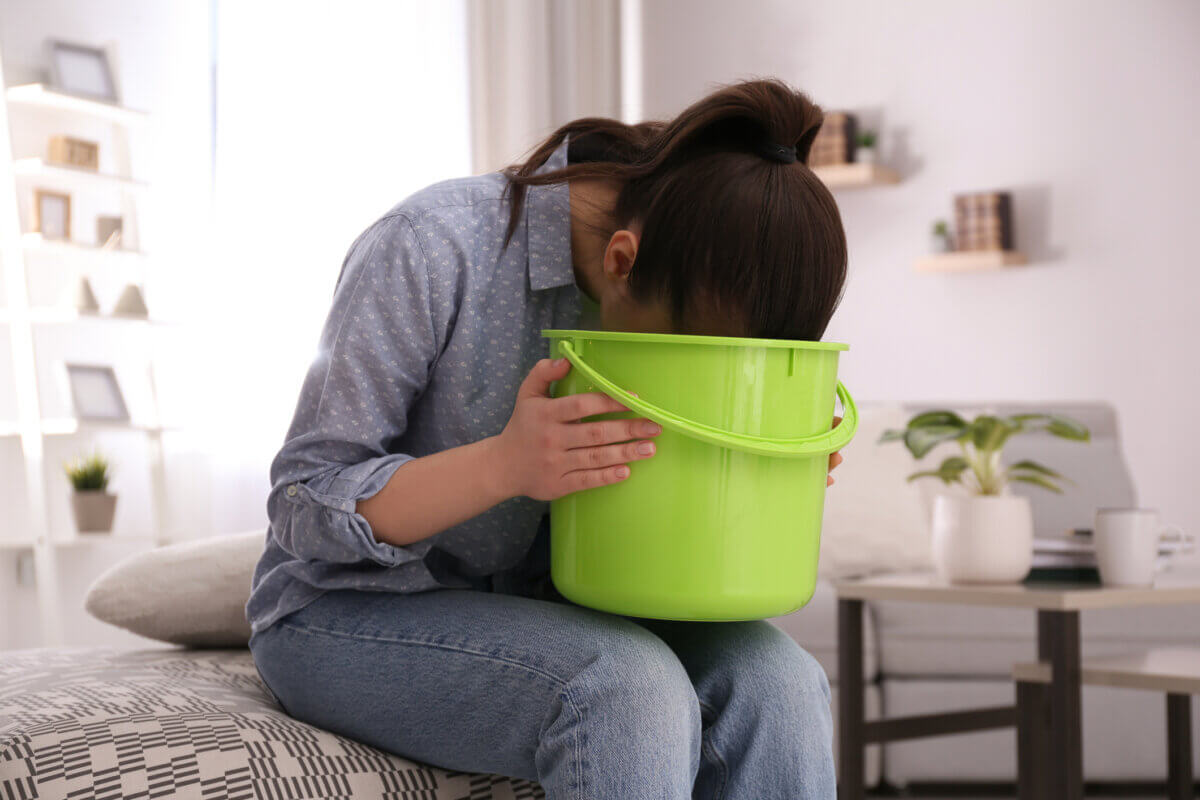
Symptoms develop 12 to 48 hours after exposure to norovirus. The most common symptoms are diarrhea, vomiting, nausea, and stomach pain. Other symptoms are fever, headache, and body aches.
You can feel extremely ill, with vomiting and diarrhea many times a day. These symptoms can lead to the problem that makes gastroenteritis dangerous – dehydration (low body fluids). Small children and the elderly are the most susceptible to this threatening, sometimes fatal complication. Symptoms of dehydration include:
- Less frequent urination
- Dry mouth and throat
- Feeling dizzy, especially when standing up suddenly
- Unusual sleepiness or fussiness
- Crying with few or no tears
Treatment
Most people with norovirus are feeling better within 1 to 3 days. There are no specific medications for treatment. There is no role for antibiotics because antibiotics fight bacteria, not viruses.
Drink plenty of fluids to replace fluid lost from vomiting and diarrhea, and to prevent dehydration. Avoid caffeine and alcohol. Oral rehydration fluids, which can be purchased over the counter, are most helpful for mild dehydration.

Prevention
If you are sick, do not handle food or care for others. Wait at least 48 hours after symptoms stop.
Wash your hands often and thoroughly with soap and water for at least 20 seconds. Surprisingly, hand sanitizer does not work well against norovirus.
Handle and prepare food safely:
- Wash fruits and vegetables well.
- Cook oysters and other shellfish to an internal temperature of 145°F or greater.
- Routinely clean and sanitize kitchen utensils, cutting boards, counters, and surfaces, especially after handling shellfish.
- Keep raw oysters away from ready-to-eat food in the grocery cart, refrigerator, and on cutting boards.
Clean and disinfect surfaces
After someone vomits or has diarrhea:
- Wear rubber or disposable gloves and wipe the entire area with paper towels and dispose of them in a plastic trash bag.
- Disinfect the area as directed on the product label.
- To disinfect, use a chlorine bleach solution with a concentration of 1,000 to 5,000 ppm (5 to 25 tablespoons of household bleach [5% to 8%] per gallon of water) or use an EPA-registered disinfecting product against norovirus.
- Leave bleach disinfectant on the affected area for at least 5 minutes.
- After disinfecting, the entire area should be cleaned again with soap and hot water.
- Immediately remove and wash clothes or linens that may have vomit or poop on them. Use detergent and hot water at your washing machine’s maximum cycle length. Machine dry them at the highest heat setting.
The CDC website offers additional tips for preventing a norovirus infection.


