
A poignant moment unfolds as a Marine plays taps, honoring a fallen veteran with a solemn salute, marking their internment at a national military cemetery. (Photo by Grindstone Media Group on Shutterstock)
In a nutshell
- Only 48% of Americans correctly know that Memorial Day honors military personnel who died in service to their country.
- There’s a significant generational divide: just 27% of Gen Z respondents identified the holiday’s purpose correctly, compared to 56% of Baby Boomers.
- More than one-third (35%) of Americans confuse Memorial Day with Veterans Day, believing it honors all military veterans, both living and deceased.
NEW YORK — Americans are gearing up for a long weekend of cookouts and sales over Memorial Day weekend, but there’s a problem—most don’t know why they’re celebrating.
A Talker Research survey shows that fewer than half of Americans can correctly identify what Memorial Day actually commemorates. Only 48% of the 2,000 people surveyed knew that the holiday specifically honors military personnel who died while serving their country.
Instead, over a third of Americans (35%) wrongly think Memorial Day is about honoring all military veterans, both living and dead—confusing it with Veterans Day. Another 5% believe it’s about remembering all public servants who died on the job, military or not.
Some respondents had even more unusual misconceptions—3% thought Memorial Day honors the Founding Fathers and their role in American independence, while 2% believed it was about past presidents who served in the military.
Younger Generations Less Informed About Memorial Day
The numbers reveal a clear generational divide. Just 27% of Gen Z could pick the right answer about Memorial Day’s purpose. Millennials didn’t do much better, with only 38% getting it right. Baby boomers had the highest success rate at 56%, but that’s still barely more than half.
Despite this knowledge gap, Memorial Day remains firmly established in American culture. Of the employed people surveyed, 65% get the day off work, while 35% still have to clock in.
From Solemn Remembrance to Summer Kickoff
Memorial Day began after the Civil War as “Decoration Day,” when Americans would decorate soldiers’ graves with flowers. It wasn’t until after World War I that the observance expanded to honor all American military dead. Congress officially declared Memorial Day a national holiday in 1971, setting it on the last Monday in May.
The changing meaning of Memorial Day mirrors broader shifts in American culture. What began as a solemn day of remembrance has transformed into a weekend of leisure activities, shopping, and travel.
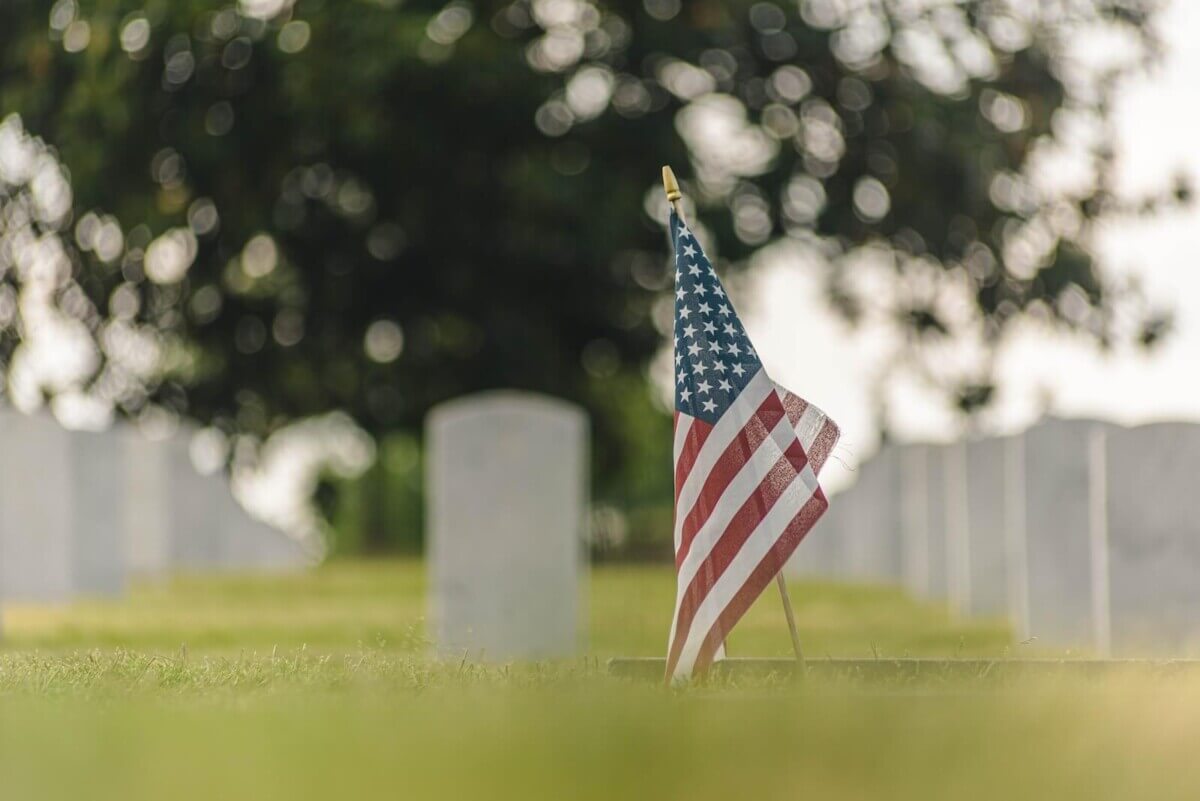
Some communities still maintain strong Memorial Day traditions—parades featuring veterans, ceremonies at local cemeteries, and the placing of flags on military graves. These rituals help keep the holiday’s true purpose alive, even as general awareness declines.
For families with military connections, the holiday often carries deeper significance. Those who’ve lost loved ones in service sometimes feel frustrated when others treat the day as just another opportunity to barbecue.
Bridging the Knowledge Gap
Educational experts point to several ways to address this knowledge gap. Schools could place greater emphasis on teaching the meaning behind national holidays. Families might incorporate brief moments of remembrance into their celebrations. Community organizations could host events that combine fun activities with educational components.
Local history museums and veterans’ groups often offer special programs around Memorial Day, providing opportunities to learn while still enjoying the long weekend.
As another Memorial Day approaches, perhaps the most fitting observance would be taking a moment to learn—or remind ourselves—why we mark this day.
Survey Methodology: Talker Research surveyed 2,000 Americans between May 9-15, 2025. The survey was administered and conducted online. Respondents were sourced from traditional online access panels where participants opt-in for incentives, and programmatic methods offering virtual incentives for online participation. Quality control measures excluded speeders (completing faster than one-third median time), inappropriate responses, bots (detected via Captcha), and duplicates (prevented via digital fingerprinting). The survey was limited to individuals with internet access.


