
(Credit: Alexandra Morosanu/Shutterstock)
COLUMBUS, Ohio — Youth sports have long been considered an integral part of growing up in America. From neighborhood pickup games to organized leagues, sports offer children opportunities for physical activity, social interaction, and personal growth. However, the landscape of youth sports has changed dramatically over the past few decades. A recent study examines these changes and explores how factors like gender, race, socioeconomic status, and family background have influenced youth sports participation across generations.
The study, conducted by researchers Chris Knoester and Chris Bjork from The Ohio State University, used data from the National Sports and Society Survey to analyze the sports experiences of nearly 4,000 American adults. The survey asked participants to recall their youth sports involvement between ages six and 18, allowing researchers to track trends across different generations born from the 1950s through the 1990s.
One of the study’s key findings was that organized sports participation has increased significantly over time. While about 65% of adults reported playing organized sports as youth, this percentage was much higher for more recent generations. Those born in the 1990s were about 15 percentage points more likely to have played organized sports compared to those born in the 1950s.
However, this increase in organized sports came with an interesting twist – more recent generations were also more likely to drop out of sports before reaching adulthood. The researchers found that over half of those who played organized sports ended up quitting before they turned 18. This trend of increased participation, followed by higher dropout rates, raises questions about the changing nature of youth sports and whether they are meeting the needs and interests of young people.
The study, published in the journal Leisure/Loisir, also examined how various social factors influenced sports participation. Gender played a significant role, with females consistently less likely to participate in sports across all generations. However, the gender gap has narrowed over time, likely due to the impact of Title IX legislation in 1972 that mandated equal opportunities for women in education and sports.
Socioeconomic status was another crucial factor. Children from higher-income families and those with college-educated parents were more likely to participate in organized sports. This gap has widened in recent generations, possibly due to the increasing costs associated with youth sports and the rise of private clubs and travel teams.
“Childhood social class matters when it comes to whether you have the opportunity to participate in organized sports, something which is a relatively recent development,” says Chris Knoester, lead author of the study and professor of sociology at The Ohio State University, in a media release.
“We found that privileged families seem to be leveraging their advantages to strategically and intentionally invest in organized sports participation. That can give their children big benefits.”
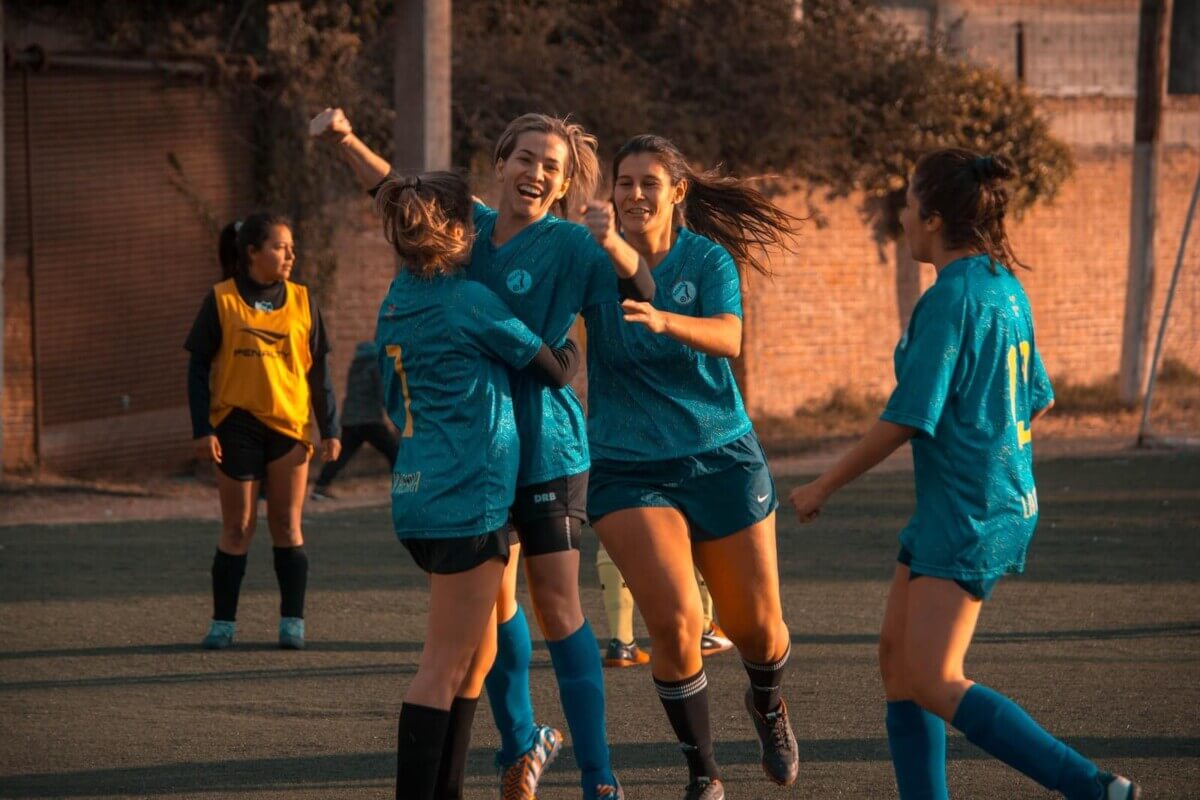
Race and ethnicity also influenced participation patterns, though the trends were not always straightforward. While there was some evidence of White youth having higher participation rates, the study found that these racial differences varied across generations and were often intertwined with socioeconomic factors.
Perhaps one of the most interesting findings was the impact of what the researchers called “family and community cultures of sport.” Children whose parents were sports fans or athletes themselves were much more likely to participate in sports. Similarly, growing up in a community that was passionate about sports increased the likelihood of participation. These cultural factors had a substantial impact, often matching or exceeding the influence of demographic factors like gender or socioeconomic status.
The study’s findings paint a complex picture of youth sports in America. While more children are getting involved in organized sports than ever before, issues of access, retention, and equality persist. The increasing dropout rates suggest that the current structure of youth sports may not be serving all children equally well. Moreover, the widening socioeconomic gap in participation raises concerns about sports becoming a privilege rather than a universal childhood experience.
As we look to the future of youth sports, these findings suggest a need for more inclusive and flexible approaches. Policymakers and sports organizations may need to find ways to make organized sports more accessible and enjoyable for a wider range of children, regardless of their gender, race, or family background. At the same time, the strong influence of family and community sports cultures highlights the importance of fostering a positive sports environment beyond just organized leagues.
Ultimately, this study reminds us that youth sports are more than just games – they’re a reflection of our society’s values, opportunities, and challenges. By understanding these trends, we can work towards creating a sports landscape that truly serves all children, promoting health, fun, and personal growth for generations to come.
Paper Summary
Methodology
The researchers used data from the National Sports and Society Survey, which included responses from 3,993 American adults. Participants were asked about their sports experiences growing up, including whether they played sports regularly, participated in organized sports, and if they dropped out before adulthood. The survey also collected information on participants’ demographics, family background, and community characteristics.
The researchers then used statistical techniques called logistic regression to analyze how different factors influenced the likelihood of sports participation. This allowed them to examine the effects of multiple variables (like gender, age, and socioeconomic status) simultaneously and identify which factors had the strongest influence on sports participation.
Key Results
The study found that organized sports participation increased across generations, with those born in the 1990s about 15 percentage points more likely to have played organized sports compared to those born in the 1950s. However, dropout rates also increased, with over half of participants quitting organized sports before adulthood.
Gender differences persisted, with females less likely to participate, but this gap narrowed over time. Socioeconomic status became increasingly important, with children from higher-income families and those with college-educated parents more likely to participate in organized sports. Family and community sports cultures had a strong influence, often matching or exceeding demographic factors in their impact on participation.
Study Limitations
The study relied on adults’ memories of their childhood experiences, which may not always be accurate. The sample, while large, was not perfectly representative of the U.S. population.
The study also couldn’t directly measure changes over time, as it relied on comparing different age groups rather than following the same individuals over many years. Additionally, the study focused on whether individuals participated in sports but couldn’t capture the quality or intensity of that participation.
Discussion & Takeaways
The study highlights both progress and persistent challenges in youth sports. While overall participation in organized sports has increased, high dropout rates suggest that current approaches may not be meeting all children’s needs. The narrowing gender gap shows the positive impact of policies like Title IX, but persistent socioeconomic differences indicate a need for more inclusive practices.
The strong influence of family and community sports cultures suggests that promoting a positive sports environment at home and in communities could be as important as formal policies in encouraging participation. Future efforts to improve youth sports should focus on making them more accessible, enjoyable, and sustainable for all children, regardless of background.
Funding & Disclosures
The National Sports and Society Survey was funded and supported by the College of Arts & Sciences, Sports and Society Initiative, and Center for Human Resource Research at The Ohio State University. The authors declared no conflicts of interest.


