

Small amounts of movement every day may lower your risk for dementia. (© NDABCREATIVITY - stock.adobe.com)
BRISBANE, Australia — A protein discovered deep within human cells can play a part in the anti-aging process. Researchers at the University of Queensland have found that a protein called ATSF-1 controls a balance between the creation of new mitochondria and the repair of damaged mitochondria.
Mitochondria, the powerhouses of cells that have their own DNA, produce energy to power biological functions, but the toxic byproducts of this process contribute to the rate at which the cell ages.
“In conditions of stress, when mitochondrial DNA has been damaged, the ATSF-1 protein prioritises repair which promotes cellular health and longevity,” says Dr. Steven Zuryn, associate professor at the Queensland Brain Institute, in a university release.
Zuryn likened the relationship to a race car needing a pitstop.
“ATSF-1 makes the call that a pitstop is needed for the cell when mitochondria need repairs,” Dr. Zuryn adds.
The researchers studied ATFS-1 in C. elegans, or roundworms, and saw that enhancing its function promoted cellular health, meaning the worms became more agile for longer.
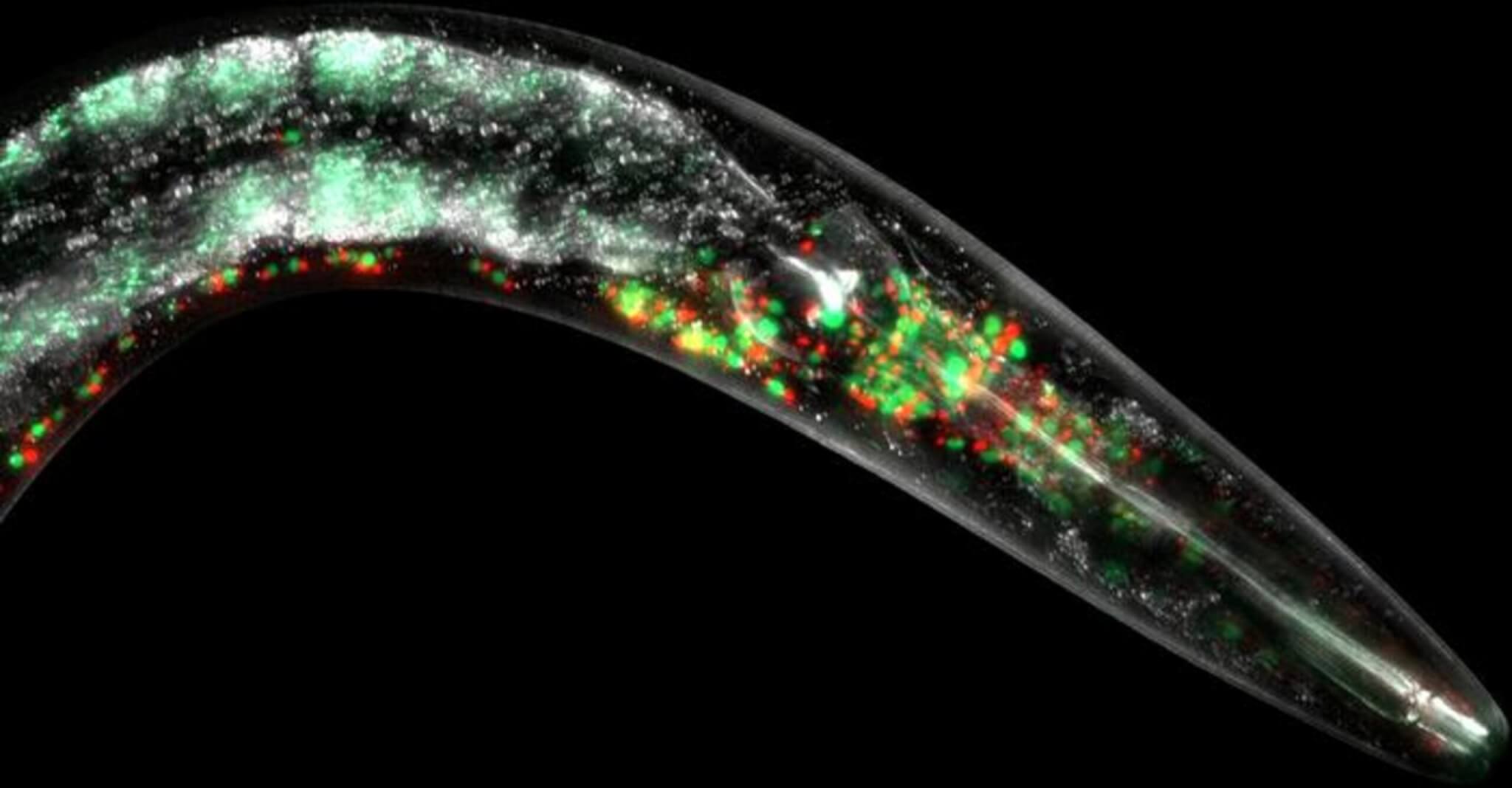
“They didn’t live longer, but they were healthier as they aged,” says Dr. Zuryn. “Mitochondrial dysfunction lies at the core of many human diseases, including common age-related diseases such as dementias and Parkinson’s. Our finding could have exciting implications for healthy aging and for people with inherited mitochondrial diseases.”
Understanding how cells promote repair is an important step toward identifying possible interventions to prevent mitochondrial damage.
“Our goal is to prolong the tissue and organ functions that typically decline during aging by understanding how deteriorating mitochondria contribute to this process,” says Dr. Michael Dai of the Queensland Brain Institute. “We may ultimately design interventions that keep mitochondrial DNA healthier for longer, improving our quality of life.”
The study is published in the journal Nature Cell Biology.


