
(© alfa27 - stock.adobe.com)
???? Key Findings:
- Regular cannabis use more than tripled the risk of developing anxiety
- Younger men were more likely to be at risk
- Researchers warn that marijuana legalization and increasing potency may be the cause
OTTAWA, Ontario — Using cannabis can have a profound effect on one’s mental health. Canadian researchers have found that those who consistently use cannabis are more likely to develop an anxiety disorder, which could potentially impact millions of people. With cannabis now the third most commonly used drug globally, after alcohol and nicotine, understanding its effects on mental health has never been more critical.
The study spanned over a decade (January 2008 to March 2019) and focused on individuals between 10 and 105 years-old with no history of anxiety disorders. The study included over 12 million participants, making it one of the most comprehensive analyses of its kind. Researchers specifically looked at those who had emergency department (ED) visits due to cannabis use and tracked subsequent healthcare visits for anxiety disorders, comparing them to the general population.
Researchers say the findings were striking. Within three years of an ED visit for cannabis use, 12.3 percent of these individuals needed a healthcare visit for an anxiety disorder, a rate 3.7 times higher than the general population. Even when broadening the criteria to include outpatient visits, the rate jumped to 23.6 percent, nearly four times the general population’s rate. This elevated risk was consistent across all groups (including age and gender) but was notably higher in young males.
“Our results suggest that individuals requiring emergency department treatment for cannabis use were both at substantially increased risk of developing a new anxiety disorder and experiencing worsening symptoms for already existing anxiety disorders,” says study lead author Dr. Daniel Myran, who is a Canada Research Chair in Social Accountability at the University of Ottawa, an Institute for Clinical Evaluative Sciences adjunct scientist, an investigator at the Bruyère Research Institute, and a clinician investigator at The Ottawa Hospital, in a media release.
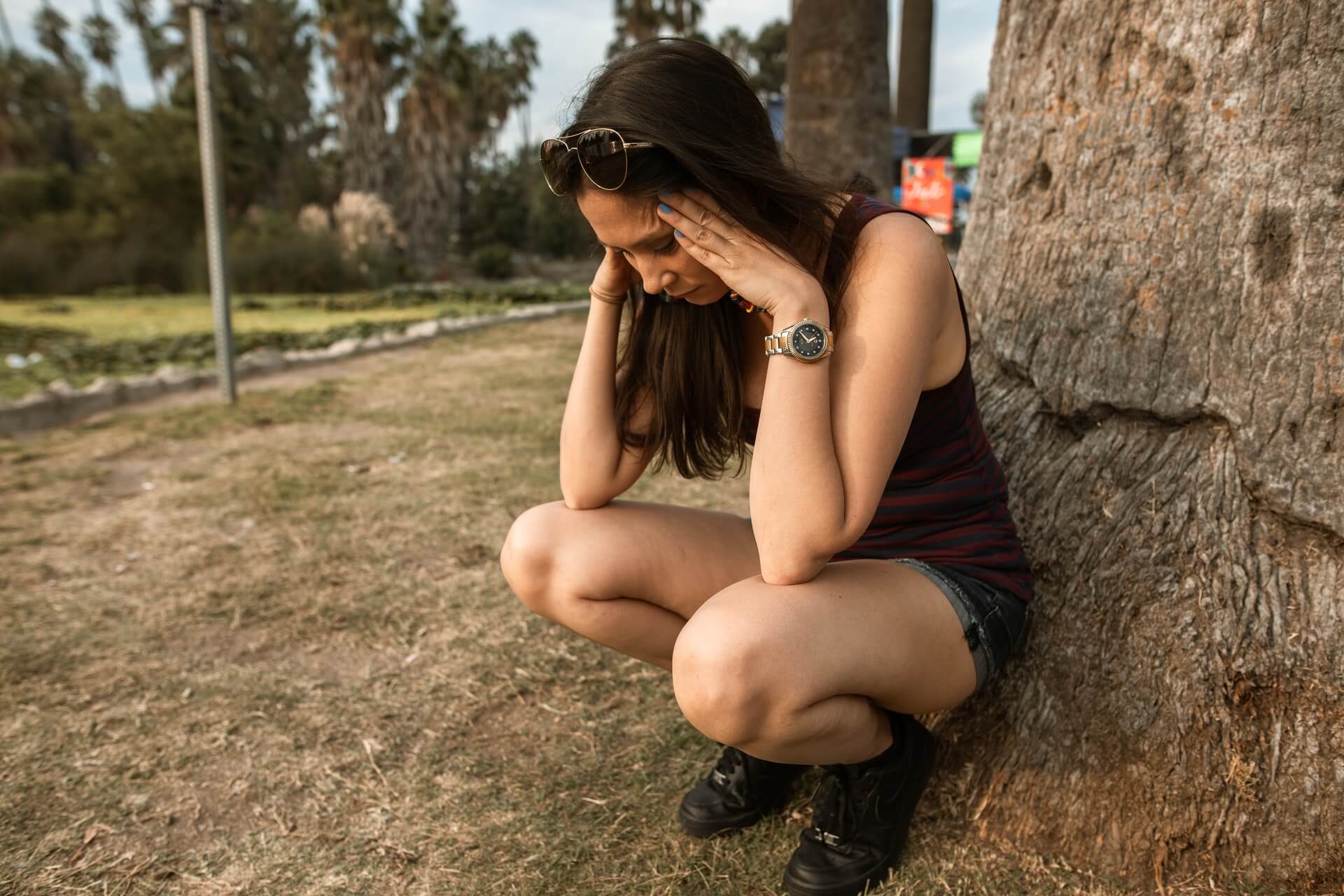
These results challenge the prevailing uncertainty about the link between cannabis use and anxiety disorders. While previous studies have offered mixed conclusions, this study’s scale and depth provide strong evidence of a significant association between cannabis-related emergency visits and subsequent anxiety disorders.
This association is particularly concerning given the global rise in cannabis use and potency. With countries like Canada moving towards legalization and commercialization, the potential for increased cannabis use and associated harms, including anxiety disorders, is a pressing concern.
Even though the study authors have several theories, their work doesn’t pinpoint a single cause of why cannabis use leads to a higher risk of anxiety disorders. It could be that some individuals use cannabis to self-medicate pre-existing anxiety symptoms, or there might be common underlying risk factors for both cannabis use and anxiety disorders. Another possibility is the direct impact of cannabis on the brain, affecting neurocognition and anxiety-related processes.
The researchers underscore the need for public education on the risks of cannabis use and suggest that individuals who experience cannabis-related health emergencies might benefit from assessments for anxiety disorders. As cannabis becomes more accessible and its use more widespread, understanding its long-term effects on mental health is crucial.
The study is published in the journal EClinicalMedicine.


If you are not going to make an obvious link to the source article you are a waste of reading and just adding more BS to the web.
it certainly is ironic that a substance you use to “mellow out” can become something that does the opposite if you use too much
I have stopped smoking weed because it was giving me anxiety especially when driving. I couldn’t drive even a sorry distance without obsessing on being in an accident. I started being more forgetful about things. I’ve smoked weed off n on for years. Since the sixties.
I’m 77 now. I don’t miss it. My friends still want me to smoke with them. Like it’s a ritual
I may go back to smoking once in awhile or not. I do like CBD for sleeping tho.
Looks like this is recycled news. Canada has legalized Marijuana for five years already. Hah caught ya. Maybe the smoker should switch to Indica because some sativas are known to cause anxiety. Remember people treat weed like medi ine. Dosage is important just like with pharmaceuticals. Cannibus the most benign substance on the planet. You can die from too much water, alcohol, food,
So, the population they studied was people who went to the Emergency Room for cannabis problems? That doesn’t sound very valid.
Also, is it life today that causes anxiety and fear, like we are alone in a plane crashing and cannot do anything about it because our governments are all bought and paid for to represent billionaires? Why is the US the only country w/o universal health care STILL?
The bottom line is that this may be a great study, but it comes on the heals of decades of false vilification of marijuana that has really never let up. It is hard to know if any cannabis study is useful or valid because it’s mostly anti-cannabis interests who ponies up money for cannabis studies.
I only get anxiety when I have run out of weed! ????????????????????