
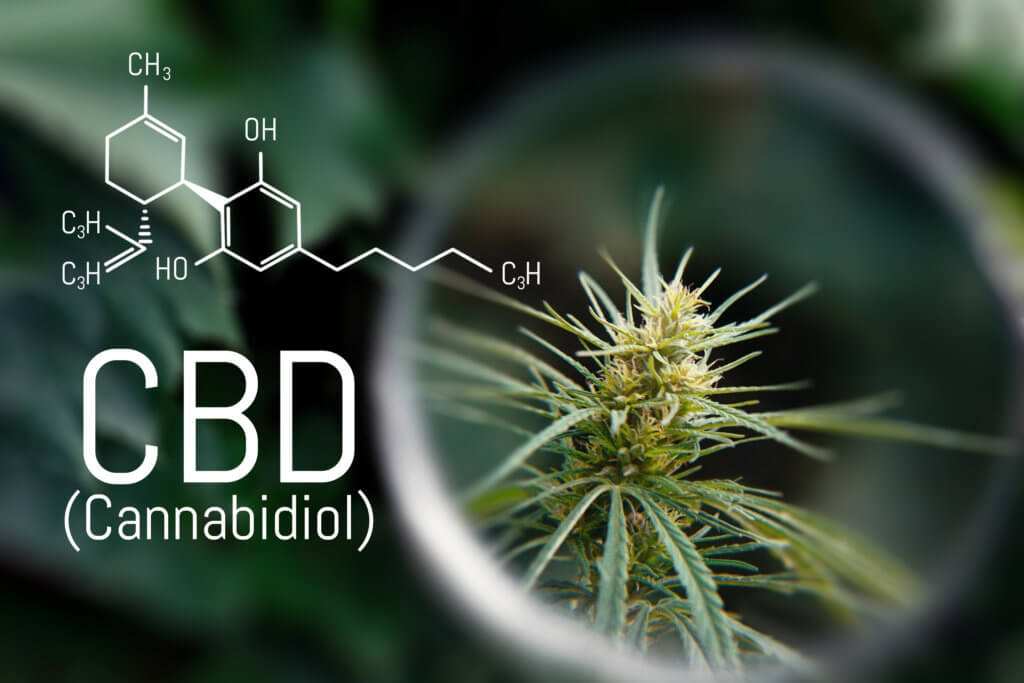
The CBD formulation soothed overactive pain receptors without causing memory loss. (© Elroi - stock.adobe.com)
JENA, Germany — Cannabis could potentially have a major impact in treating inflammation. In a recent study, a team of international researchers unveiled the anti-inflammatory properties of cannabinoids. Simply put, CBD may have the ability to heal the human body.
The Friedrich Schiller University Jena research team focused on understanding how specific components of the cannabis plant, including THC (tetrahydrocannabinol) and CBD (cannabidiol), interact with human immune cells. While it was previously known that cannabis had anti-inflammatory effects, researchers pointed out that the reason for the anti-inflammatory effect was largely unclear — until now.
“We found that all eight cannabinoids we studied had anti-inflammatory effects,” says Lukas Peltner, a doctoral student and the study’s first author, in a university release. “All the compounds we studied were found to inhibit the formation of pro-inflammatory messenger substances in cells while enhancing the formation of inflammation-resolving substances.”
Of particular note was CBD, which stood out for its robust anti-inflammatory capabilities. The researchers determined that CBD activates the enzyme 15-lipoxygenase-1, which prompts the production of substances that alleviate inflammation.
“CBD thus induces a switch in the affected cells, so to speak, which steers the inflammatory process from the promoting to the inhibiting side,” says study co-author Dr. Paul Mike Jordan.
These revelations might pave the way for innovative treatments targeting inflammatory conditions, focusing on the potent anti-inflammatory attributes of CBD. Dr. Jordan noted that while some approved cannabinoid medicines contain CBD, they also contain the psychoactive THC, which can be associated with a variety of side-effects. A CBD-only medication could mitigate these concerns.
The study is published in the journal Cell Chemical Biology.


