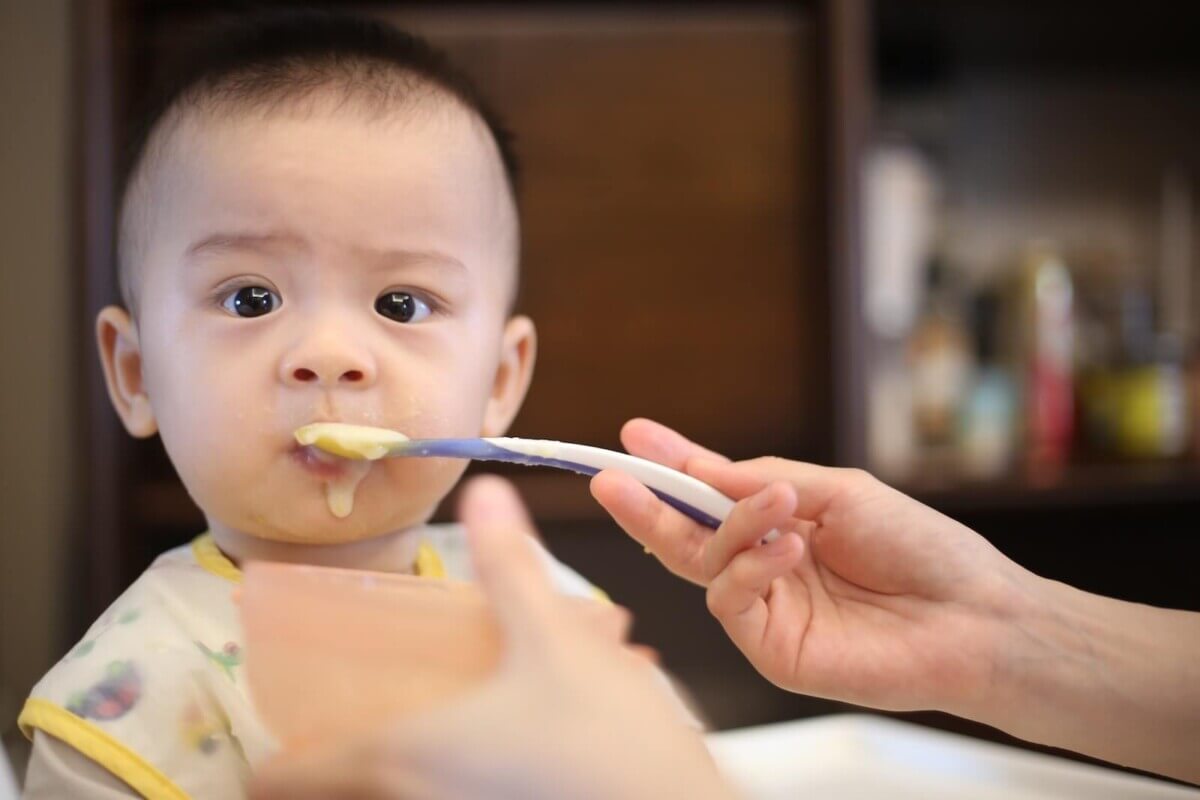
(Photo by hui sang on Unsplash)
DUBLIN, Ireland — A surprising new study reveals the COVID-19 pandemic lockdowns appear to have had a positive impact for newborn babies. Researchers from RCSI University of Medicine and Health Sciences in Ireland reveal newborns during the lockdown displayed notably different gut microbiomes compared to those born before the pandemic, alongside lower rates of autoimmune conditions such as food allergies.
The gut microbiome consists of a complex community of microbes residing in our digestive tract, playing a crucial role in our overall health. This revolutionary study delves into how the pandemic has influenced the gut health of newborns, uncovering that the unique conditions of lockdowns have potentially fostered a more beneficial microbial environment for these infants.
The benefits observed in the “pandemic babies” are attributed to several factors associated with the lockdown environment. Notably, there was a decrease in infections and subsequent antibiotic use, alongside an increase in the duration of breastfeeding. This resulted in newborns acquiring more beneficial microbes from their mothers post-birth, which are thought to protect against allergic diseases.

“This study offers a new perspective on the impact of social isolation in early life on the gut microbiome. Notably, the lower allergy rates among newborns during the lockdown could highlight the impact of lifestyle and environmental factors, such as frequent antibiotic use, on the rise of allergic diseases,” says study senior author Dr. Jonathan Hourihane, chair of the Department of Pediatrics at RCSI and consultant pediatrician at Children’s Health Ireland Temple Street, in a university release.
“We hope to re-examine these children when they are 5 years old to see if there are longer term impacts of these interesting changes in early gut microbiome.”
Because of the COVID lockdowns, researchers took the opportunity to study microbiome development in infants. The lockdowns simplified the infants’ early life exposures, allowing for a clearer understanding of how various environmental and dietary factors shape the gut microbiome from a young age.
“Prior to this study it has been difficult to fully determine the relative contribution of these multiple environmental exposures and dietary factors on early life microbiome development,” notes study senior author Liam O’Mahony, principal investigator at APC Microbiome Ireland and professor of immunology at University College Cork.
Remarkably, only 17 percent of infants required antibiotics by their first birthday, correlating with higher levels of beneficial bacteria like bifidobacteria.
The study, part of the CORAL project, involved analyzing fecal samples from 351 babies born in the initial months of the pandemic, comparing these with babies born before the pandemic. Data was collected through online questionnaires covering diet, home environment, and health, with stool samples and allergy testing conducted at various stages up to 24 months.
The findings from this study offer a new perspective on the impact of social isolation and lifestyle changes during early life on gut health. As the world continues to navigate the aftermath of the pandemic, these insights could lead to a better understanding of how to nurture a healthy microbiome from birth, potentially offering protection against allergic and autoimmune conditions.
The study is published in the journal Allergy.


Well said, Jerry W Segers. I opened this article for the same reason – looking for link to fewer vaccincations at birth. And was disappointed when I did not see even a mention of that.
The authors struggle to explain how locking kids in their homes improves their health. Perhaps if they examined the elephant standing in the middle of their research, they just might be able to find the answer.
In this case, the elephant is the multiple childhood vaccines given to infants starting at birth. If the reader is unfamiliar with the current schedule, please refer to this CDC website.
https://www.cdc.gov/vaccines/schedules/easy-to-read/child-easyread.html
There have been many studies showing that vaccines interact with gut bacteria. Here is a link to some:
https://www.gutmicrobiotaforhealth.com/gut-microbiota-and-infant-vaccine-protocol/
The lockups during the pandemic reduced the vaccine uptake in infants and young children.
https://www.nature.com/articles/d41586-022-02051-w
https://www.cdc.gov/mmwr/volumes/69/wr/mm6919e2.htm
It would seem logical that children’s gut bacteria would be healthier without all the childhood vaccines, but that has never been studied, and these researchers clearly avoid discussing that possibility.