
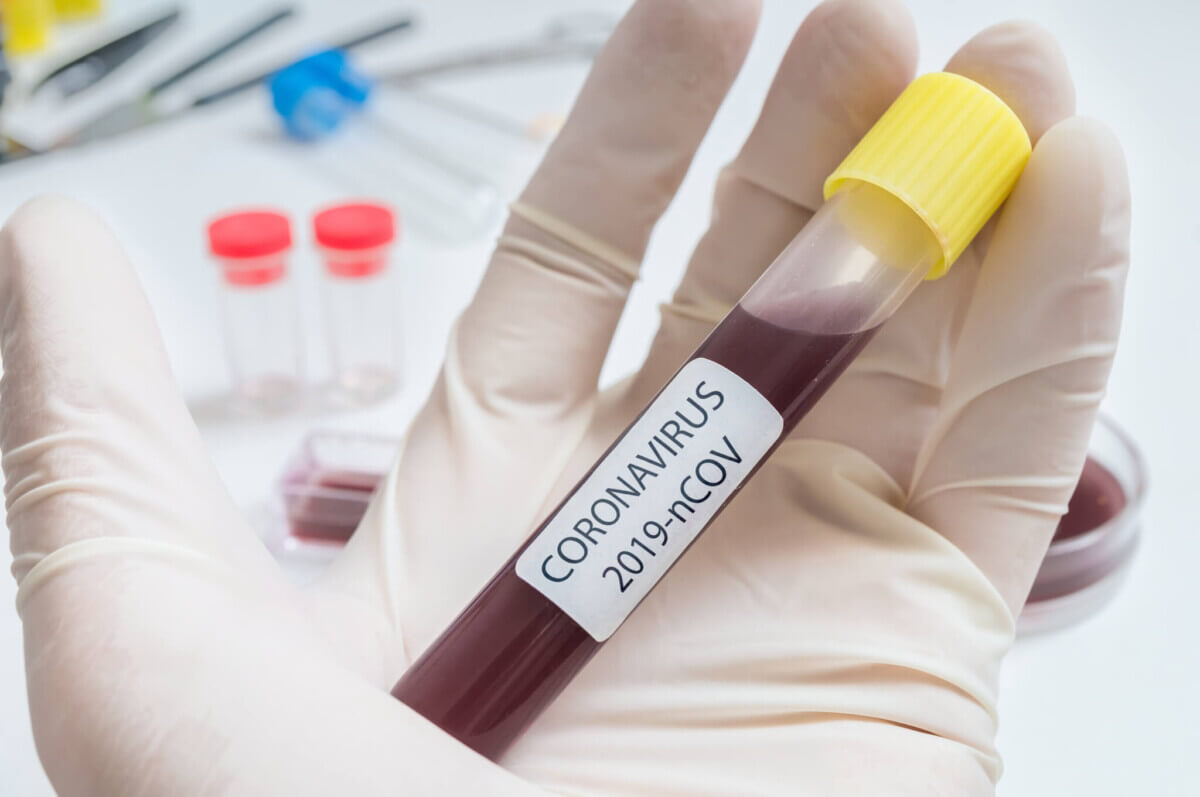
(© vchalup - stock.adobe.com)
UMEÅ, Sweden — A new study claims that the World Health Organization is underestimating the strength of the novel coronavirus when it comes to transmission among individuals. In fact, researchers believe the virus may already be a greater danger than the SARS virus outbreak that spread in 2003.
“Our review shows that the coronavirus is at least as transmissible as the SARS virus. And that says a great deal about the seriousness of the situation,” says study co-author Joacim Rocklöv, professor of sustainable health at Umeå University, in a statement.
SARS, which is short for severe acute respiratory syndrome, spread to 26 countries during its outbreak, before being contained by the end of 2003. Nearly 8,100 people contracted the virus, with 774 deaths as a result. There have been no known cases of SARS since 2004.
To calculate the transmissibility of a virus, researchers calculate what’s called a “reproduction number,” or a measurement of how many people a contaminated person transmits the virus to in a healthy population. When a reproduction number falls below 1.0, or a 1:1 ratio of transmissibility, it’s predicted that an epidemic will end. The coronavirus was estimated by WHO to have a reproduction number of between 1.4 and 2.5.
But Rocklöv and his team of researchers say that number is too conservative. In a review of 12 previous studies of the coronavirus observed in the Chinese population, the authors concluded the transmissibility of the virus rose significantly in the most recent trials. The team calculated the reproduction number to have a median of 2.79 and an average of 3.28.
“When looking at the development of the corona epidemic, reality seems to correspond well to or even exceed the highest epidemic growth in our calculations. Despite all intervention and control activities, the coronavirus has already spread to a significantly higher extent than SARS did,” says Rocklöv.
The study is published in the scientific Journal of Travel Medicine.


