
Photo by Ross Sokolovski on Unsplash
NEW ORLEANS — Science may have finally led us to one of the greatest innovations of humankind: ice cream that doesn’t melt quickly on a hot day. The secret, according to scientists? Banana plant waste.
Not only do researchers say their concoction will last longer, but it’s creamier and potentially even healthier than your typical frozen treat.
Keeping ice cream from melting has been a mystery that has eluded research teams from around the world for years. In 2017, Japanese scientists developed a melt-resistant ice cream using polyphenol compounds from strawberries, but never before has a compound been found to improve the creaminess and texture of low-fat ice cream as well.
So, Columbian researchers Dr. Robin Zuluaga Gallego and Jorge A. Velásquez Cock teamed with scientists from the University of Guelph in Canada to see what would happen when they added tiny cellulose fibers from the banana plants into an ice cream recipe. When bananas are harvested, the remaining plant matter is disposed of as waste.
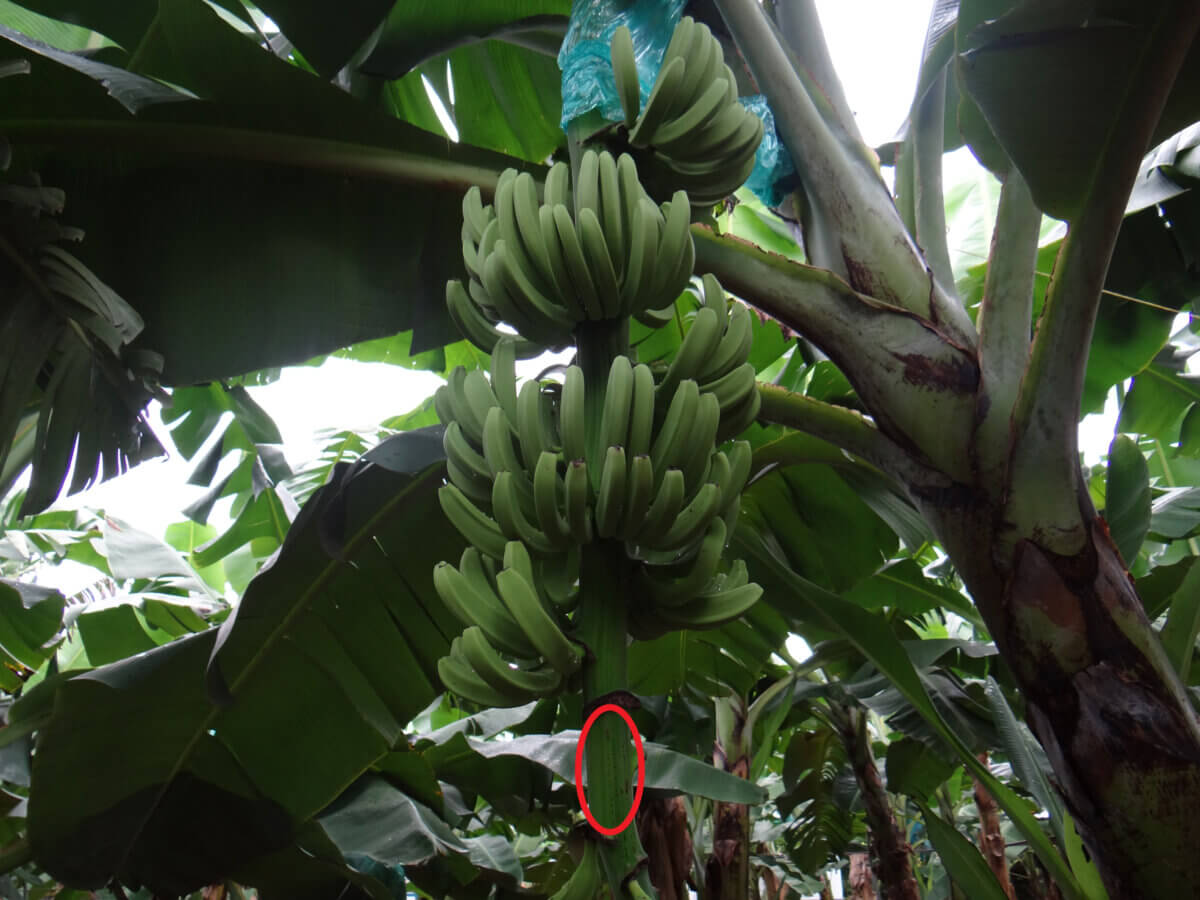
The research team used the microscopic fibers — thousands of times smaller than the width of human hair — from the banana plant stems, or rachis, to slow the melting in ice cream, as well as replace some of the fats used to make the frozen delicacy.
The study found that when mixed with the banana fibers, ice cream melted far slower than the dessert normally does. Even better, the shelf life of the product was longer and the ice cream’s creaminess and texture wasn’t worsened. Velásquez Cock believes their discovery may even lead to a lower-fat ice cream product as the fibers could potentially replace fats used in conventional products.
Healthier product aside, it’s good enough to give ice cream lovers a product that won’t leave their hands sticky and pants stained.
“Our findings suggest that cellulose nanofibers extracted from banana waste could help improve ice cream in several ways,” explains Gallego in an American Chemical Society media release. “In particular, the fibers could lead to the development of a thicker and more palatable dessert, which would take longer to melt. As a result, this would allow for a more relaxing and enjoyable experience with the food, especially in warm weather.”
This breakthrough could mean big-time changes to a huge industry. The United States alone produced 1.3 billion gallons of ice cream in 2016, according the US Department of Agriculture. On average, each American consumes approximately 23 pounds of ice cream each year.
The research was presented at the 255th National Meeting & Exposition of the American Chemical Society in 2018.
Note: This article was first published March 26, 2018.


113 Comments