(Photo 24739672 | Sick © Pressmaster | Dreamstime.com)
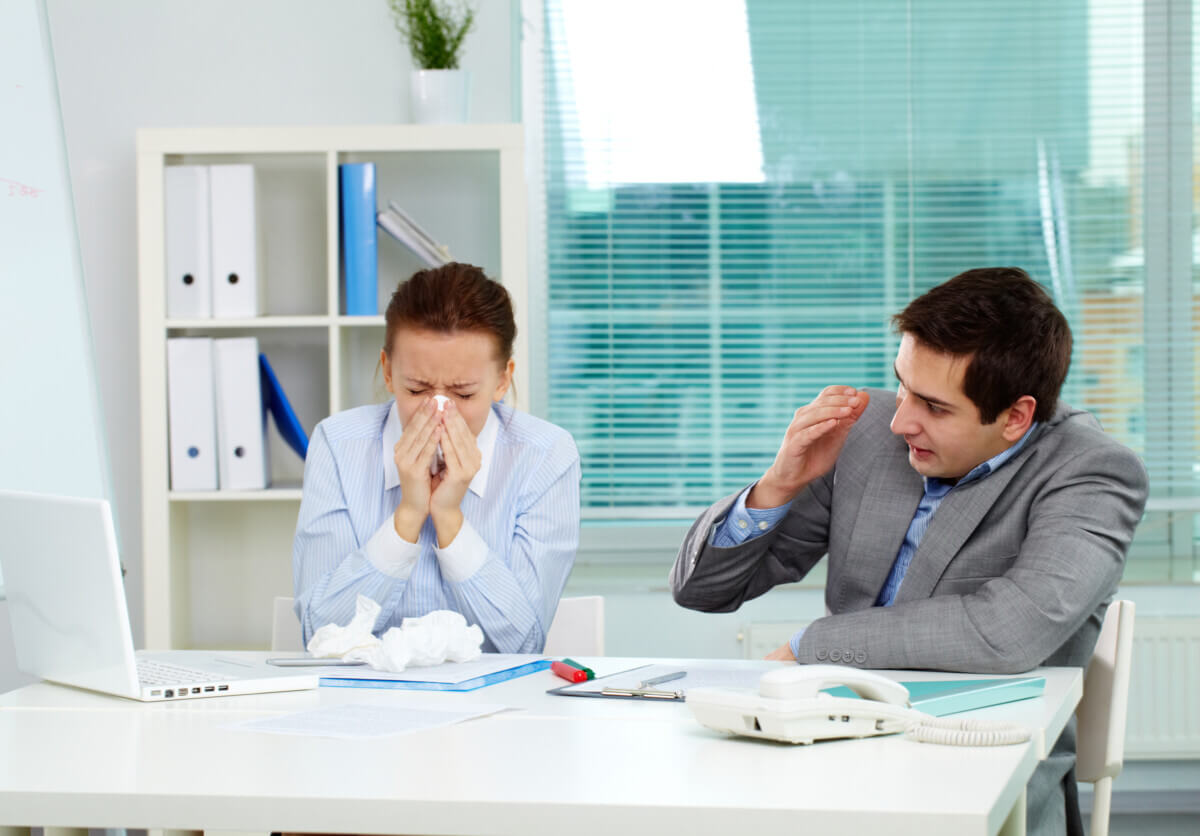
ORANGE, Calif. — Imagine seeing someone sneeze or look unwell and then feeling your body start to react as if you too might get sick. This isn’t just in your head – it’s a real biological response, as recent research by Dr. Patricia Lopes, a biology professor at Chapman University, shows.
Usually, when we think of getting sick, we focus on the person who’s ill. But Dr. Lopes’ study, published in the journal Functional Ecology and further discussed in Trends in Ecology & Evolution, reveals something fascinating: infections affect more than just the sick person. They can trigger changes in the bodies and behaviors of others around them — even if they aren’t actually sick.
How Our Bodies Respond to Infection
When someone gets an infection, their immune system kicks into high gear. It’s like an army ready to fight off invaders. This immune response can cause changes not just at the site of the infection, but throughout the entire body. And these changes don’t just affect the sick person; they can influence others too.
One of the most surprising findings of this research is about pregnant animals and how their immune response to sickness can affect their babies. For instance, if a mother gets sick during pregnancy, it can change the baby’s immune system and even its behavior. This is also true for egg-laying animals, where the mother can pass on defenses to her eggs.
Our bodies are home to many tiny organisms, like bacteria, which form communities known as the microbiome. When someone is infected, especially with serious illnesses like HIV, it can disrupt these communities. This change can make a person more vulnerable to other infections and even affect their overall health.
Why Observing Sickness Sends The Body Into Protective Mode
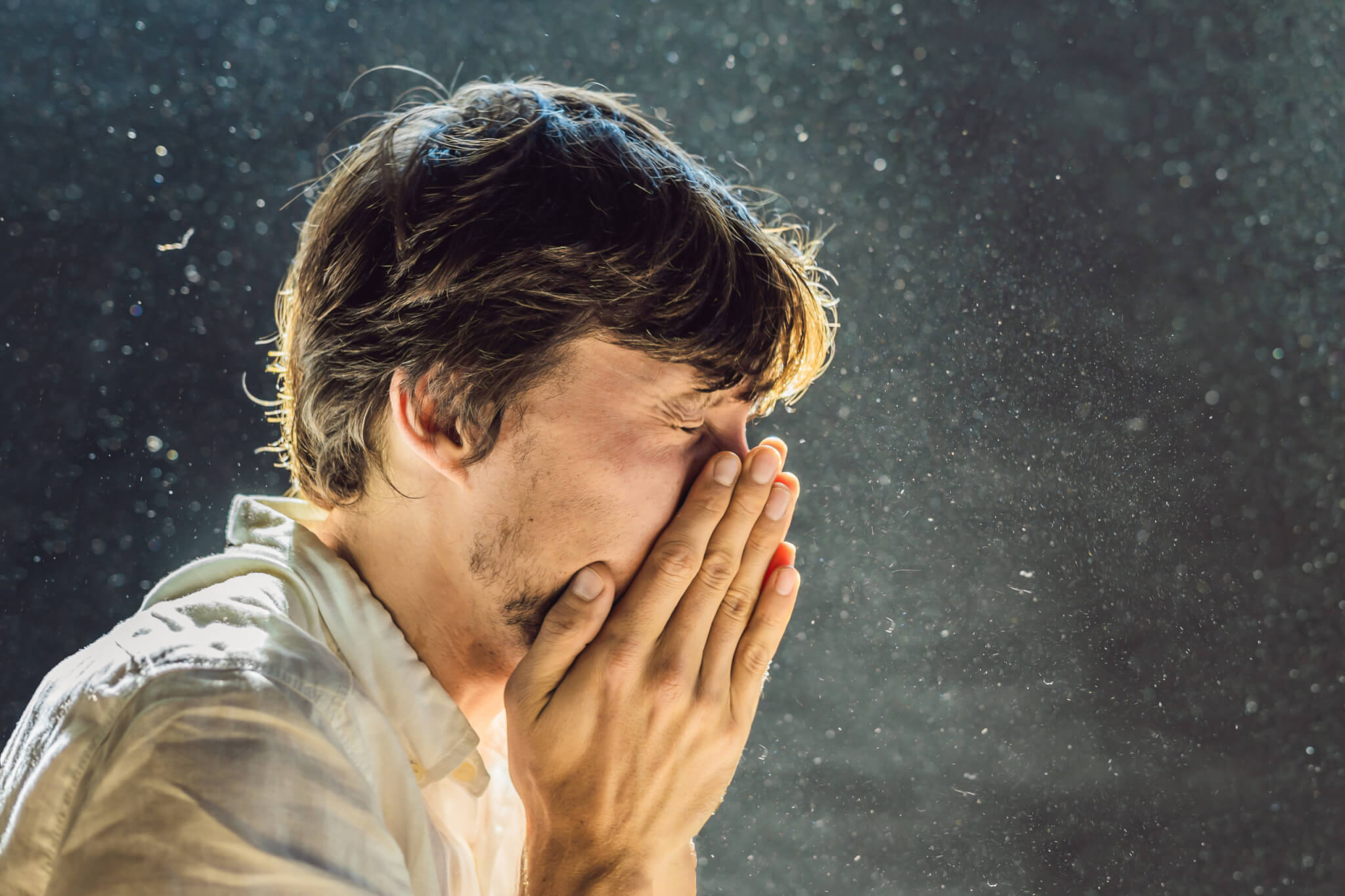
Dr. Lopes’ study shows something even more intriguing: just seeing someone who is sick can trigger a protective response in our bodies. This response is our body’s way of preparing to fight off potential threats. Animals that interacted with sick individuals activated their immune systems and even changed the way they produce eggs. It’s like our bodies are trying to protect us before we even get sick.
Understanding these reactions is important for everyone, not just scientists. It shows how interconnected we are and how our health can be influenced by those around us. Dr. Lopes’ work sheds light on this complex interaction and helps us understand that health is not just an individual matter, but a communal one.
“This research has helped unveil another level of the hidden ripple effects of infections, showing that when one individual falls ill, it’s not just their problem – it’s a complex story that can impact the health and behavior of many others,” Lopes says in a media release.
Her ongoing research, supported by a National Science Foundation grant, aims to explore how long these protective responses last and whether they really help in guarding us against infections.


