
Woman at Interview With AI Robot Machine (© Andrey Popov - stock.adobe.com)
HAMBURG, Germany — Can artificial intelligence soon be your boss? Researchers from Kühne Logistics University in Germany believe AI-supported leadership may actually be on the horizon.
Digital technologies have proven essential for effective leadership, especially during the COVID-19 pandemic. Communication tools like Microsoft Teams and Zoom have been indispensable, showing that the digital shift in leadership is well underway.
This idea isn’t about replacing human leadership entirely but leveraging the advantages of AI to assist in leadership roles, from strategic decision-making to analyzing employee behavior. Yet, there’s an even more advanced phase in sight: AI not just aiding but substituting human leadership, according to researchers in a media release.
Many skeptics argue that genuine leadership requires a human touch. They question, “How can AI motivate employees or foster enthusiasm for a company’s objectives?” The response to such concerns is simple: let go of any “romantic notions” about leadership. There’s a real possibility that AI could outperform average human leaders.
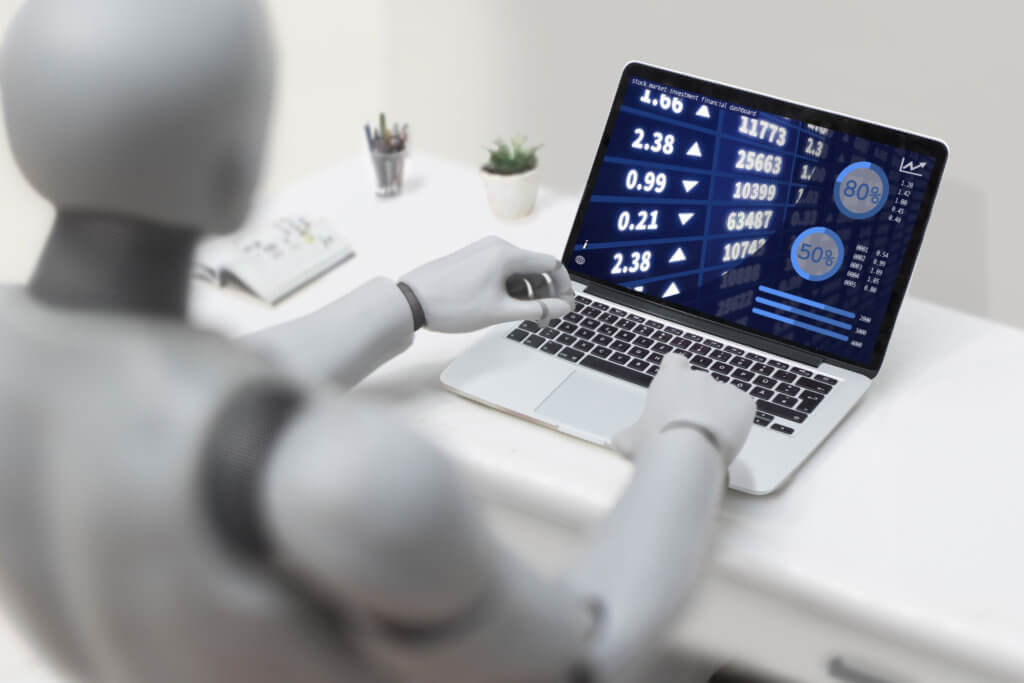
How could AI fit into such a role?
It’s unlikely that the AI leader of the future will be a simple chatbot. Instead, envision an advanced system equipped with natural speech, akin to Siri or Alexa, possibly even appearing as a human-like avatar through VR technology.
For an AI to be effective as a leader, it must cater to the three core psychological needs of employees: belonging, mastery, and autonomy. Exceptional leaders address these needs, but let’s face reality: exceptional human leaders are rare. Many face challenges like stress, inattentiveness, or lack of empathy. An AI, with its capability to track and analyze vast amounts of data, could potentially address these needs more effectively.
Humans and machines are already collaborating seamlessly in areas like online therapy. Some individuals find it easier to confide in a machine, and certain programs communicate so authentically that they’re almost indistinguishable from humans. Why shouldn’t such synergy be replicated in leadership?
This doesn’t mean the idea of AI leadership doesn’t raise concerns. We must engage in open discussions about its implications. How will this change human leadership roles? What adjustments are needed in leadership training, especially concerning the ethical dimensions of human-machine interactions?
The foreseeable future likely still requires human leaders. Yet, their role might shift to overseeing AI systems leading other humans. These human leaders will set the guidelines for AI behavior. And given the rapid advancement of AI technology, it’s crucial to establish these guidelines sooner rather than later.
The study is published in the Journal of Leadership & Organizational Studies.


