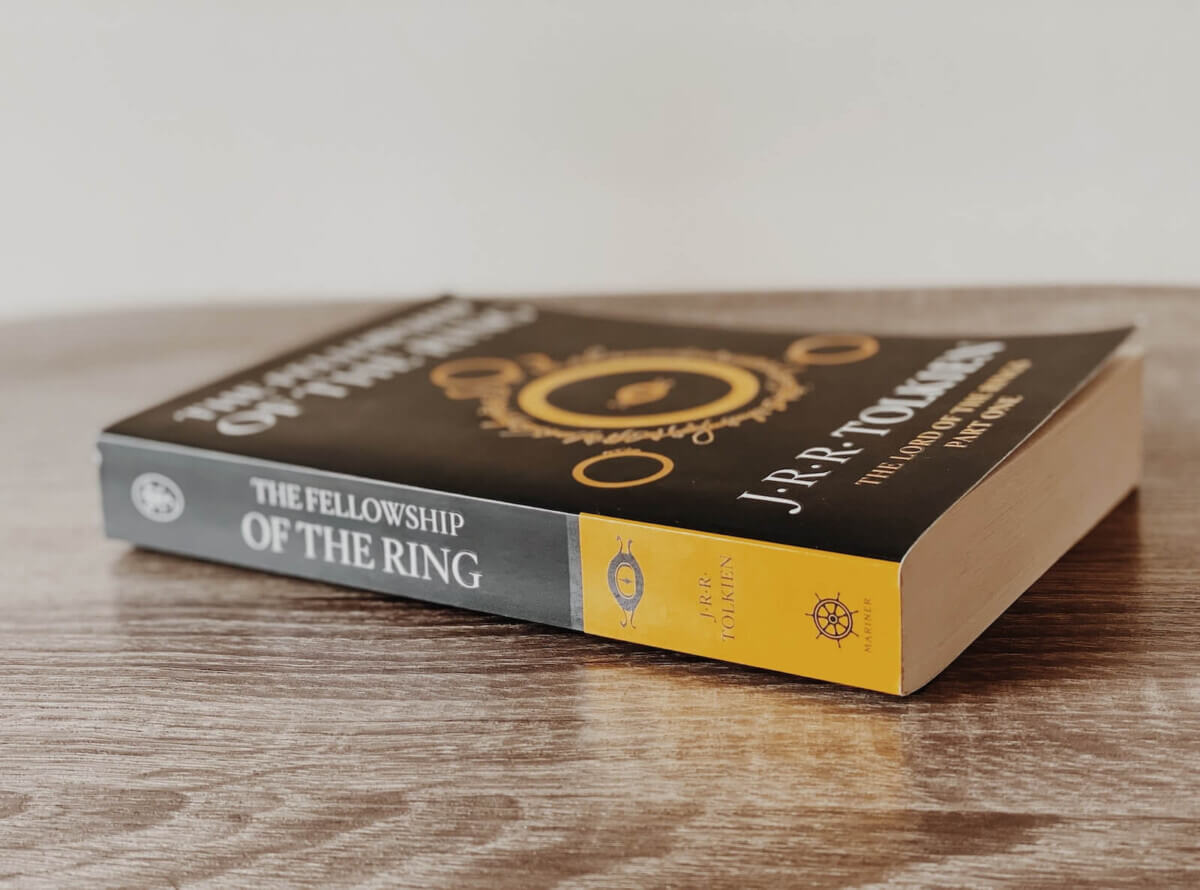
"The Fellowship of the Ring" by J. R. R. Tolkien (Photo by Madalyn Cox on Unsplash)
From ancient epics to modern masterpieces, literary trilogies have long captivated readers with their expansive storytelling and deep character development. These three-part sagas offer authors the perfect canvas to craft intricate worlds, complex narratives, and memorable characters that evolve meaningfully over time. While standalone novels can certainly tell powerful stories, there’s something uniquely satisfying about immersing oneself in a well-crafted trilogy that builds and expands with each installment. Whether exploring distant galaxies, reimagining historical events, or delving into fantastical realms, the best trilogies in literature have left an indelible mark on readers and influenced generations of writers. This list is crafted based on which titles fans mention most across the web.
StudyFinds is a research-driven platform that analyzes and synthesizes expert recommendations from trusted sources. Rather than writing reviews ourselves, we meticulously compile consensus findings from leading industry experts and established publications to save consumers valuable research time. Each article represents hours of analysis across multiple authoritative sources to identify the most consistently recommended choices.
7 Best Book Trilogies, According to Readers
1. “The Lord of The Rings” Trilogy by J.R.R. Tolkien
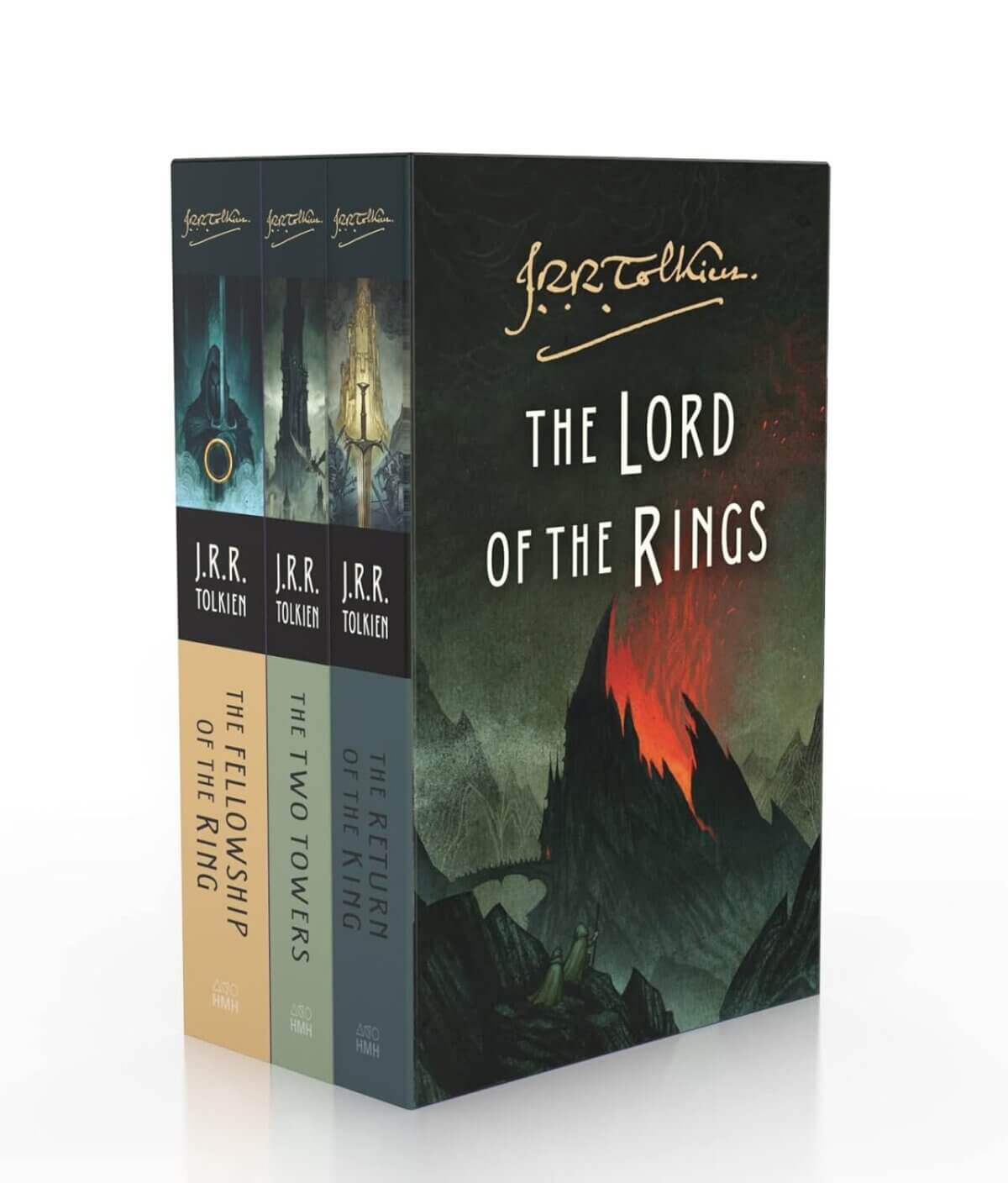
This book series sets the gold standard for three-act storytelling. Other authors struggle to achieve Tolkien’s mastery of storytelling with a beginning, middle, and end. Looking back at the landscape of fantasy literature, it’s impossible to overstate the seismic impact of “The Lord of the Rings.” As Book Riot points out, Tolkien’s creation stands apart thanks to its astoundingly detailed world-building, where every character carries a rich history that becomes more apparent as readers dive into his broader works about Middle Earth.
Before Tolkien’s trilogy hit bookshelves in the mid-1950s, fantasy was largely dismissed as children’s fare. But as Penguin notes, this groundbreaking series changed everything, finally earning the genre the serious literary recognition it deserved. The three volumes – “The Fellowship of the Ring,” “The Two Towers,” and “The Return of the King” – transformed fantasy’s reputation forever.
The trilogy’s influence remains unmatched even today. As The Tattooed Book Geek writes, Tolkien’s masterpiece has become such a cultural touchstone that it’s practically impossible to find someone who hasn’t at least heard of it, whether through the original books or their blockbuster film adaptations. It truly stands as the foundational work that all other fantasy trilogies measure themselves against.
2. “The Broken Earth” Trilogy by N.K. Jemisin
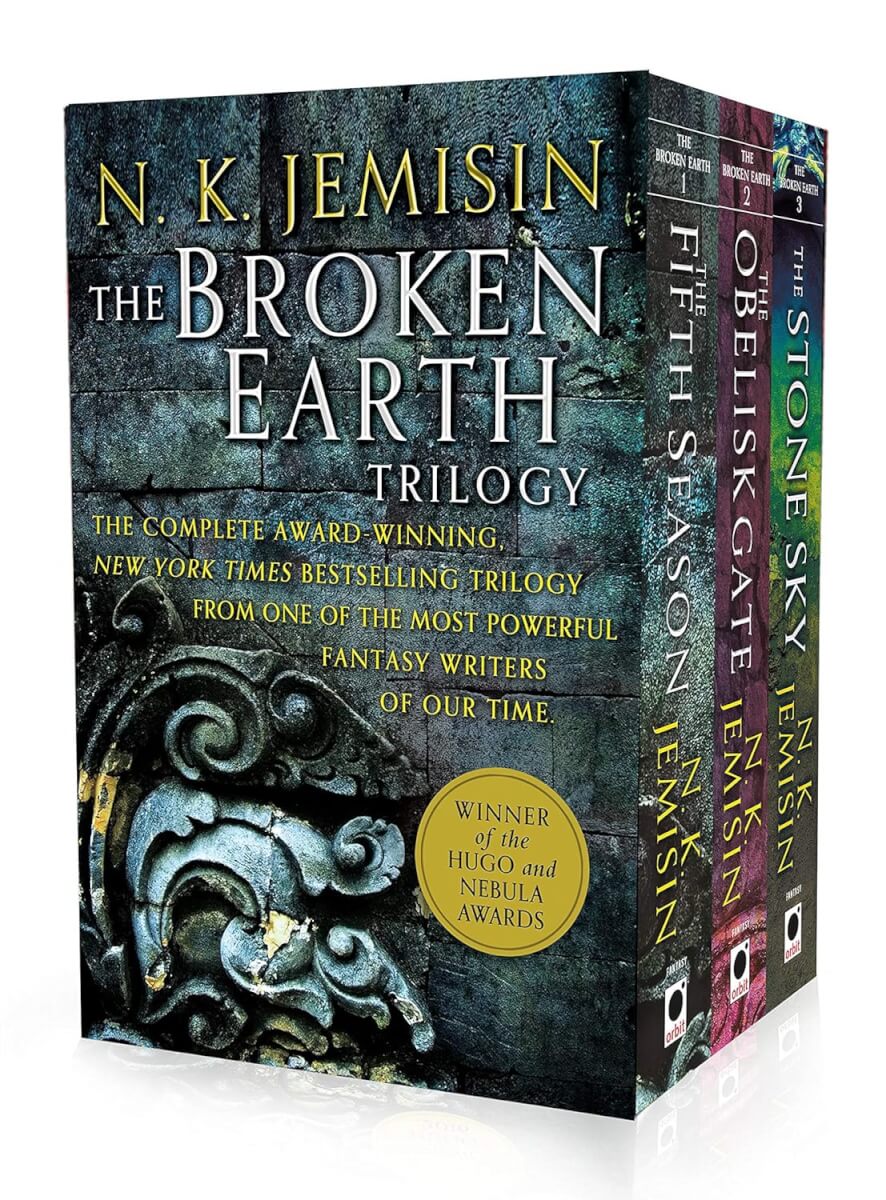
“The Broken Earth Trilogy” is a wildly creative work of high fantasy. Stepping away from the tropes of orcs and elves, Jemisin instead takes a deep dive into dangerous magic. N.K. Jemisin’s “The Broken Earth” trilogy takes place in a world where apocalyptic events, known as Seasons, occur with such regularity that they’re simply considered part of life’s rhythm. As Bustle explains, these devastating periods bring catastrophic environmental changes, and while certain individuals called orogenes possess the ability to control seismic activity, they face brutal persecution from fearful communities.
What makes this series particularly groundbreaking is how it reimagines apocalyptic fiction – rather than focusing on a single world-ending event, it presents a society that has adapted to recurring catastrophes as a way of life (The Portalist). The story begins with an intensely personal tragedy: a mother whose husband murders their son and disappears with their daughter, setting in motion an epic tale that would make literary history.
The series’ impact on the science fiction and fantasy genres can’t be overstated. As Book Riot points out, it achieved something unprecedented in the genre’s history – each installment of the trilogy captured the prestigious Hugo Award for Best Novel, cementing its place as one of the most significant works of speculative fiction in recent memory.
3. “The Hunger Games” Trilogy by Suzanne Collins
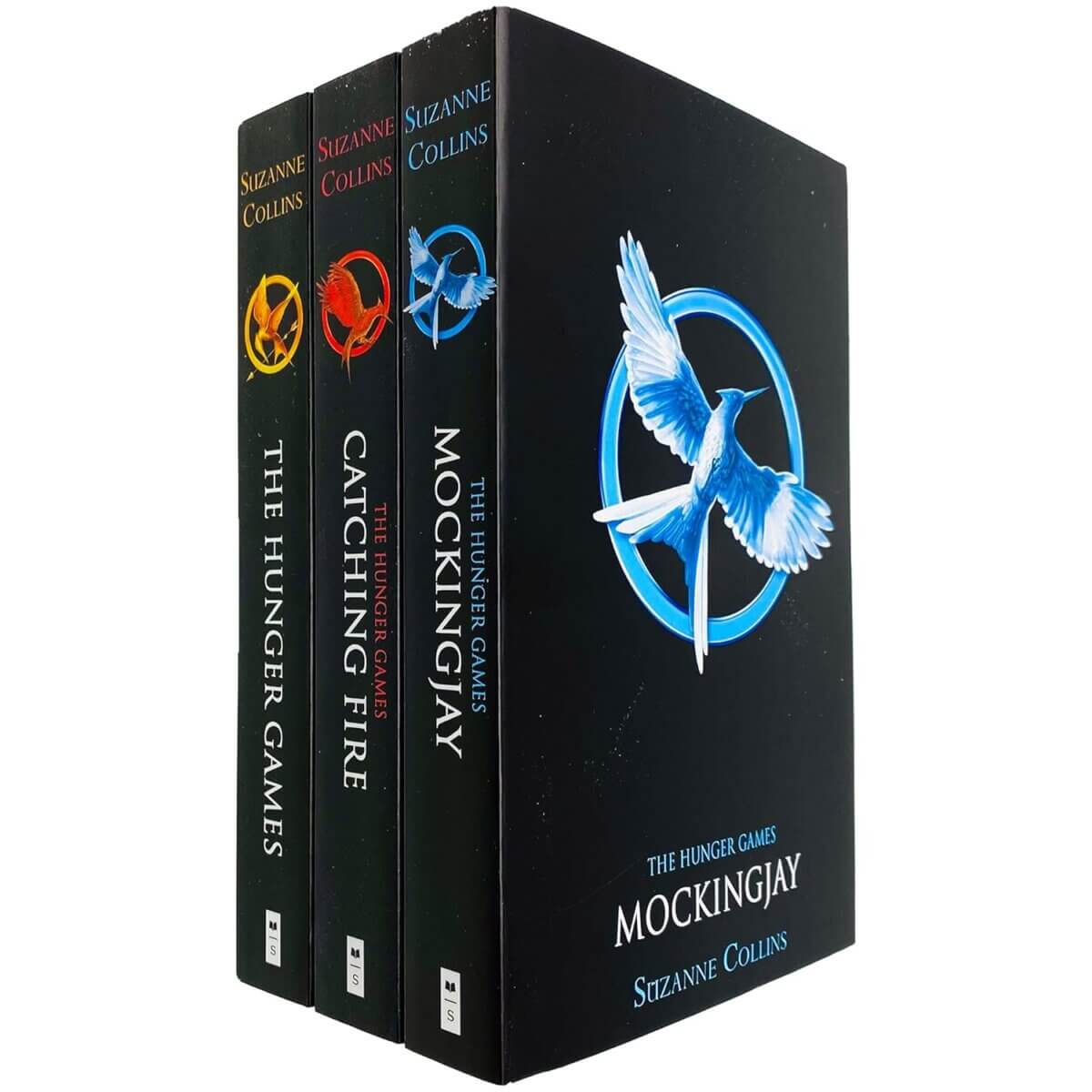
“The Hunger Games” kicked off a huge surge in young adult fiction. The series also helped to make Jennifer Lawrence a household name thanks to her iconic portrayal of protagonist Katniss Everdeen in the movie adaptations. As Unseen Library points out, while all three books are engaging page-turners, the first installment stands out as particularly memorable. In order, the series follows a compelling narrative arc across “The Hunger Games,” “Catching Fire,” and “Mockingjay.”
While many people discovered this world through its successful film adaptations, Romper says that the original novels offer an even richer experience, diving deeper into the story of Katniss Everdeen and her fight for survival in a brutal futuristic society. The books provide layers of detail and character development that simply couldn’t fit into the movie versions.
What makes these books truly special, according to Medium, is Collins’ masterful world-building of Panem, which became so vivid that readers would often debate which district they’d want to visit if they could. But it’s not just the setting that captivates – it’s the character development, particularly that of Katniss, whose complex and flawed nature makes her journey all the more compelling.
4. “Shadow and Bone” Trilogy by Leigh Bardugo
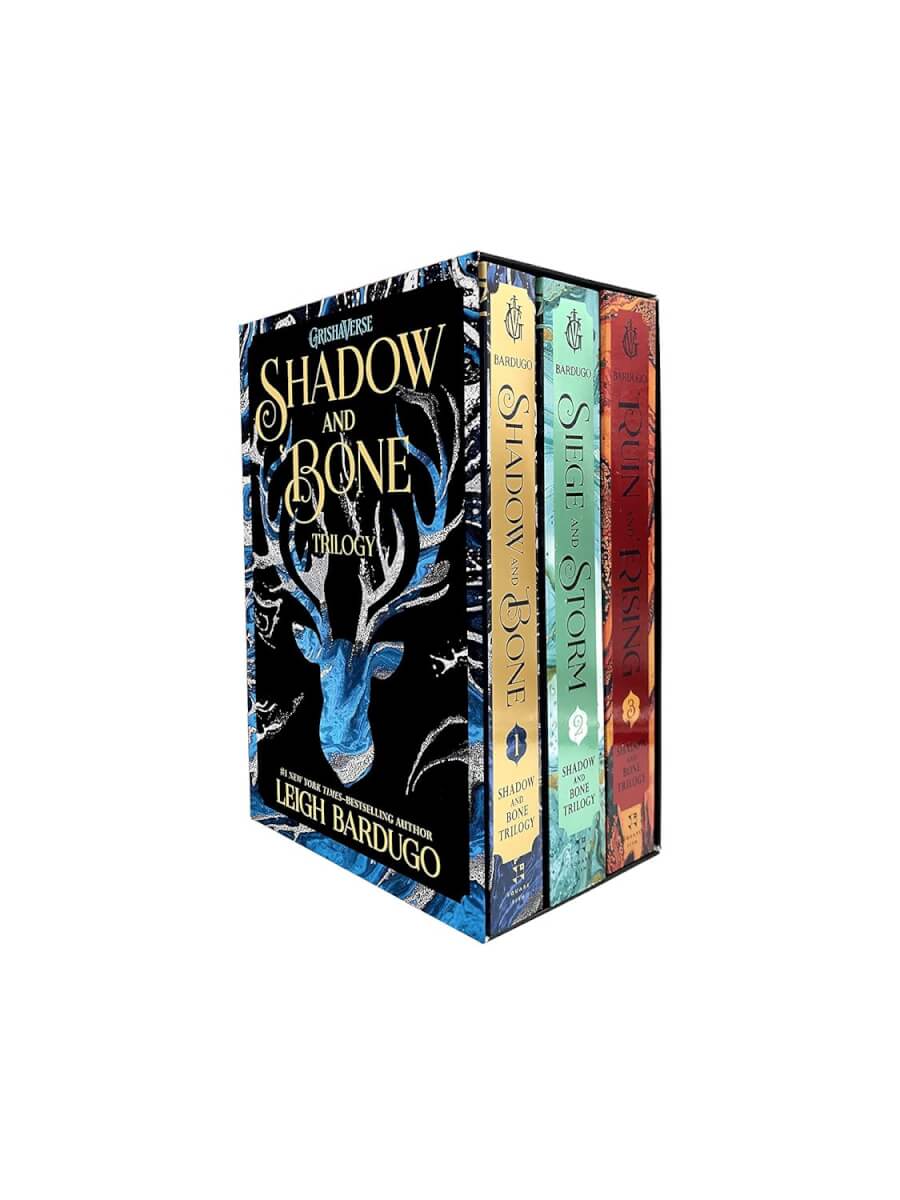
When it comes to modern fantasy that captures the magic of classic works, The Espresso Addition gushes over Leigh Bardugo’s Grishaverse trilogy with particular enthusiasm, noting how it evokes the timeless appeal of beloved series like “The Chronicles of Narnia” while crafting its own unique identity. The books manage to balance plot-driven storytelling with rich character development that leaves readers deeply invested.
As Hash#ag India points out, the trilogy – consisting of “Shadow and Bone,” “Siege and Storm,” and “Ruin and Rising” – offers an accessible entry point into fantasy through Bardugo’s engaging writing style. The series even spawned a Netflix adaptation, though it’s worth noting that the show was ultimately canceled. Nevertheless, the original books continue to captivate readers with their magical world and compelling characters.
Let’s explore the plot more. Bustle explains that the story follows orphans Alina and Mal, whose lives take an unexpected turn during their military service protecting their homeland of Ravka. When a crisis reveals Alina’s hidden powers, she discovers she may be the key to saving her world from the supernatural darkness that threatens it. This revelation sets in motion an epic adventure that spans the entire trilogy.
5. “His Dark Materials” Trilogy by Philip Pullman
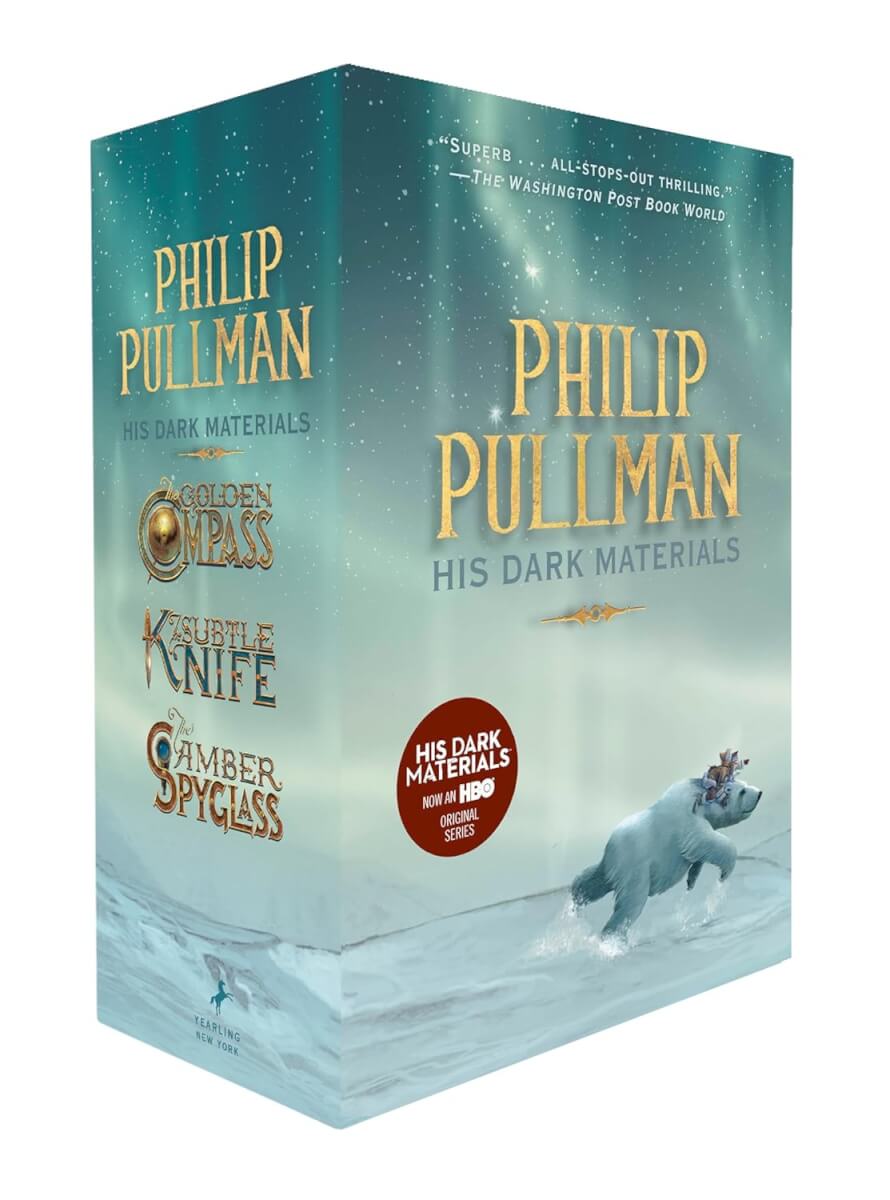
Philip Pullman’s “His Dark Materials” trilogy has proven notoriously difficult to adapt to the screen, with two attempts falling short of capturing the books’ magic. However, the novels have an addictive quality, with Medium describing how readers find themselves completely absorbed in Pullman’s narrative from the very first pages.
The series is far more than typical fantasy fare. As Penguin argues, these books represent one of British fiction’s greatest achievements in recent decades, working on multiple levels – from its critique of institutional power (particularly through the lens of the mysterious Magisterium) to its clever subversion of children’s fantasy conventions and its fascinating exploration of multiverse theory.
What is the right order to read this series? Romper breaks it down: “The Golden Compass,” “The Subtle Knife,” and “The Amber Spyglass.” The books follow two young protagonists through an incredible journey across parallel worlds. The series stands out for its unique elements, including its memorable depiction of witches and armored polar bears, while telling a profound coming-of-age story that resonates with readers of all ages.
6. “The First Law” Trilogy by Joe Abercrombie
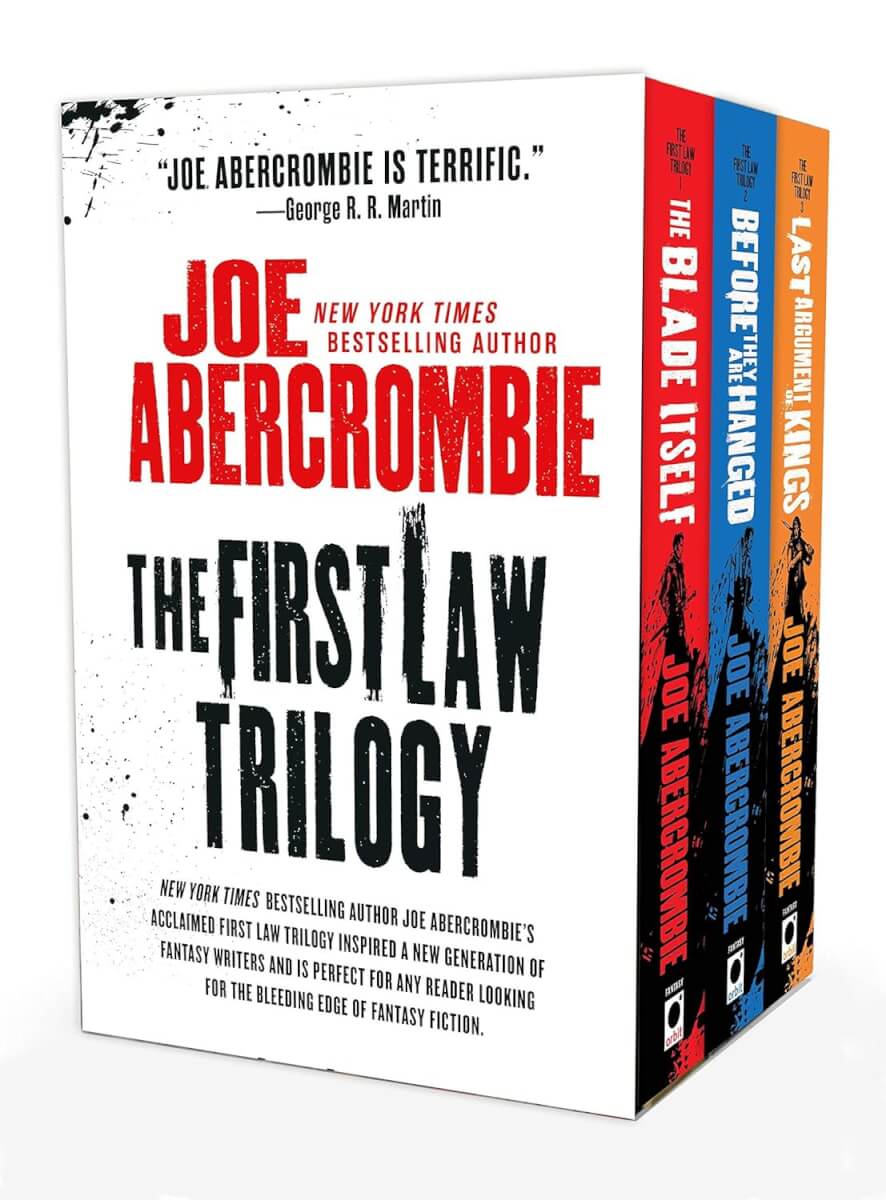
Joe Abercrombie is the grandmaster of the grimdark genre. His mastery of violent dark fantasy has resulted in several visceral best-sellers. This trilogy has grown into an expansive universe, but The Portalist says it all started with three groundbreaking books: “The Blade Itself,” “Before They Are Hanged,” and “Last Argument of Kings.” This original trilogy laid the foundation for what would become a much larger literary universe, complete with additional trilogies, standalone novels, and short stories.
For The Tattooed Book Geek, these books represent the pinnacle of the grimdark fantasy subgenre. The reviewer credits the series with rekindling their love of the genre, praising its morally complex characters, sharp wit, and vivid world-building. The trilogy stands out for its ability to create a gritty, lived-in world that feels authentically dark without sacrificing entertainment value.
For more about the plot, Unseen Library explains how the trilogy follows a cast of damaged, multifaceted characters as they navigate a treacherous world filled with betrayal and monsters both human and otherwise. The reviewer particularly singles out “The Blade Itself” for its ability to draw readers into this dark and compelling universe from the very beginning, setting the stage for an unforgettable journey.
7. “Crazy Rich Asians” Trilogy by Kevin Kwan
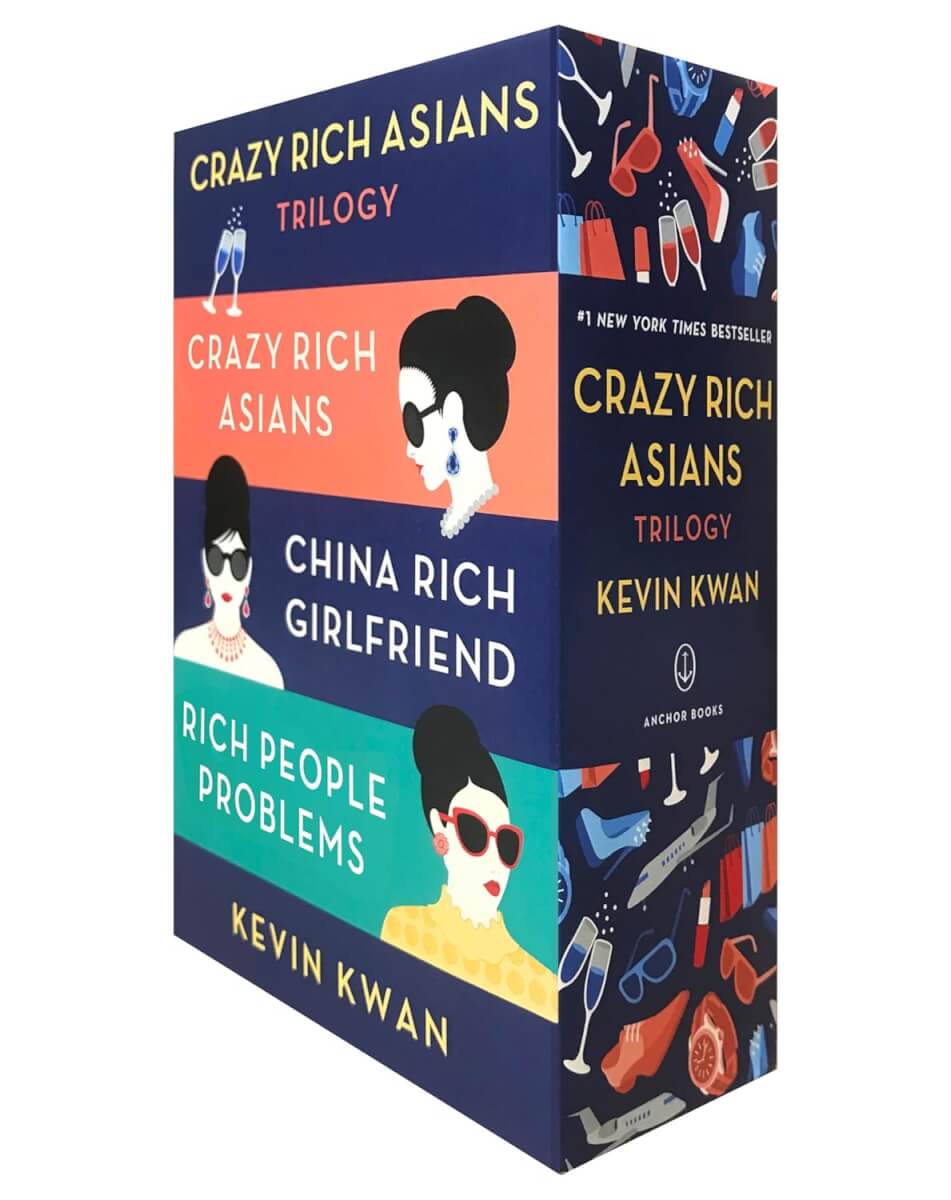
The “Crazy Rich Asians” trilogy is a great entry point for anyone who wants to get back into literature. A reviewer from The Espresso Addition shares how the audiobook version of these novels actually sparked their return to reading. The series’ blend of drama, humor, and entertainment value translates beautifully across formats, including its successful film adaptation.
As Penguin reveals, author Kevin Kwan was motivated to write his debut novel in 2013 by the noticeable lack of contemporary Asian fiction addressing the region’s dramatic economic transformation. His satirical take on Singaporean high society would eventually grow into something much bigger than he initially imagined.
Book Riot lays out the delightfully over-the-top premise: Chinese American professor Rachel Chu falls in love with Nick, seemingly just another nice guy from Singapore. But when they travel to meet his family, Rachel discovers she’s actually stepping into a world of almost unimaginable wealth and privilege, leading to a trilogy filled with outrageous characters and their equally outrageous problems.
Sources:
Note: This article was not paid for nor sponsored. StudyFinds is not connected to nor partnered with any of the brands mentioned and receives no compensation for its recommendations. This article may contain affiliate links in which we receive a commission if you make a purchase.


What about the increasingly inaccurately named Hitchhiker’s Guide trilogy?
The beginning of this article that gives the reasons why books are best made in sets of 3 is really general and vague. None of it has any specific significance to groups of 3 and could be used to describe any amount of books in a series. That being said, my favorite trilogy of books is the Star Wars Thrawn Trilogy: “Heir to the Empire” “Dark Force Rising” and “The Last Command”
I really enjoyed The Wicked Kingdom trilogy. Seeing Amelia solve the mystery through the series was definitely one of the things that kept my interest piqued.
The Lord of the Rings is NOT a trilogy! It’s a hexalogy…
While you have listed some wonderful trilogies well worth reading, there is one (highly regarded and popular) that has been omitted. I am talking of Deborah Harkness’s All Soul’s Trilogy, which is a wonderful mix of fantasy, romance and history. It is a wonderful read and highly recommended!
Hahahaha Dune nowhere to be found. What a joke