(© georgejmclittle - stock.adobe.com)
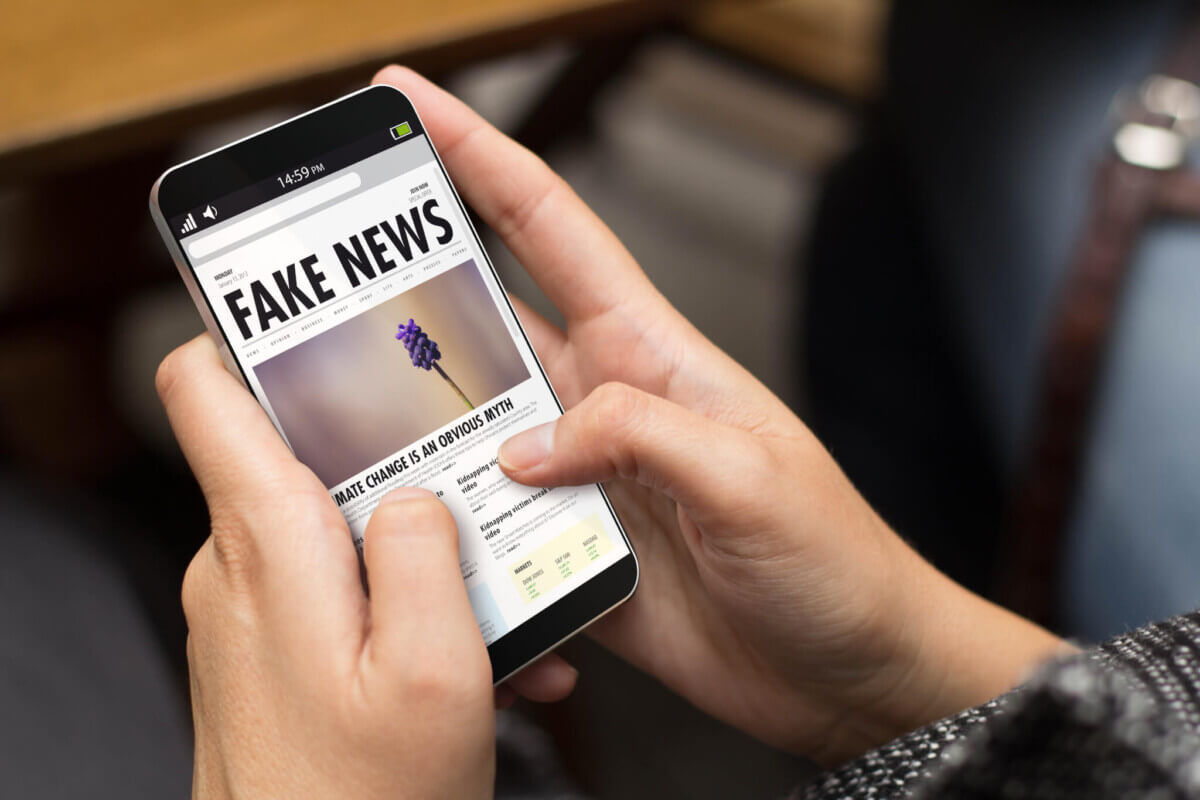
UNIVERSITY PARK, Pa. — What you read on your phone might not be as credible as you think it is. A startling study from Penn State University researchers shows that people are more susceptible to misinformation when using their mobile phones compared to personal computers (PCs). However, the study also revealed a surprising trend: PC users are more likely to fall for phishing scams by clicking on malicious links in emails.
Researchers say many people habitually use mobile phones for various activities, which may cause them to lower their guard.
“It’s important for them to recognize this behavior and to minimize their habitual use or their consumption of news on mobile devices, and for developers to create an alert system to remind them not to believe everything they read,” says principal investigator S. Shyam Sundar, the James P. Jimirro Professor of Media Effects at Penn State, in a university release.
The research involved two field experiments. Participants, who included Amazon Mechanical Turk users and university students, used their mobile phones and PCs to review various types of content, including emails and news blurbs. The goal was to understand how the type of device affects the processing of information, especially in the presence of distractions typical of real-world settings.

“In our first study, we did not find many differences across the two devices in terms of information processing other than the fact that mobile users processed information faster,” notes study first author Mengqi Liao, a doctoral candidate in mass communication at Penn State.
“In the second study we focused more on deceptive content and recorded actual behavioral measures, like whether participants clicked on a malicious link. This is where we are more likely to observe detrimental effects from people processing information in a shallow manner, because with deceptive content, the consequences of people letting their guard down and being less skeptical towards misinformation can be quite dangerous.”
Researchers suggest that the way people associate different devices with specific types of content might influence their behavior. For instance, the convenience of clicking links on PCs compared to mobiles, and the reliance on antivirus software, might lead PC users to let their guard down against phishing attempts.
“The stance in mobile seems to be that if you have to do more work, like go from one app to another to another, you’re less likely to pursue information further, whereas with email on a PC, you’re in work mode and may want to explore in depth,” explains Sundar. “That is perhaps why mobile users are quick to share misinformation without bothering to first verify information, and PC users are prone to click on links that they shouldn’t be clicking.”

Liao warns of the increasing urgency to communicate these risks to users.
“It’s becoming more urgent, with all the misinformation on the internet, that we communicate these risks to users,” Liao concludes. “On the PC side, don’t click a new link just because it’s convenient, as it can lead to dangerous outcomes. And given that mobile phones can make you less vigilant, maybe slow down a bit and be more careful when processing information on these devices.”
The study is published in the journal New Media & Society.


