
(Photo by Triff on Shutterstock)
Time travel has long fascinated readers, offering a thrilling escape into worlds where the boundaries of time blur and anything is possible. From historical adventures to futuristic odysseys, time travel books explore the complexities of past, present, and future, often posing profound questions about destiny, identity, and the nature of reality. In this article, we delve into the best time travel books that have captivated audiences, examining their unique takes on temporal journeys, compelling characters, and the imaginative scenarios that make them timeless reads. Whether you’re a seasoned sci-fi aficionado or new to the genre, these books promise to transport you through the ages in unforgettable ways. Let us know if we missed one of your favorite time travel books in the comments below!
StudyFinds is a research-driven platform that analyzes and synthesizes expert recommendations from trusted sources. Rather than writing reviews ourselves, we meticulously compile consensus findings from leading industry experts and established publications to save consumers valuable research time. Each article represents hours of analysis across multiple authoritative sources to identify the most consistently recommended choices.
The List: Best Time Travel Books, According to Readers
1. “Kindred” (1979) by Octavia Butler
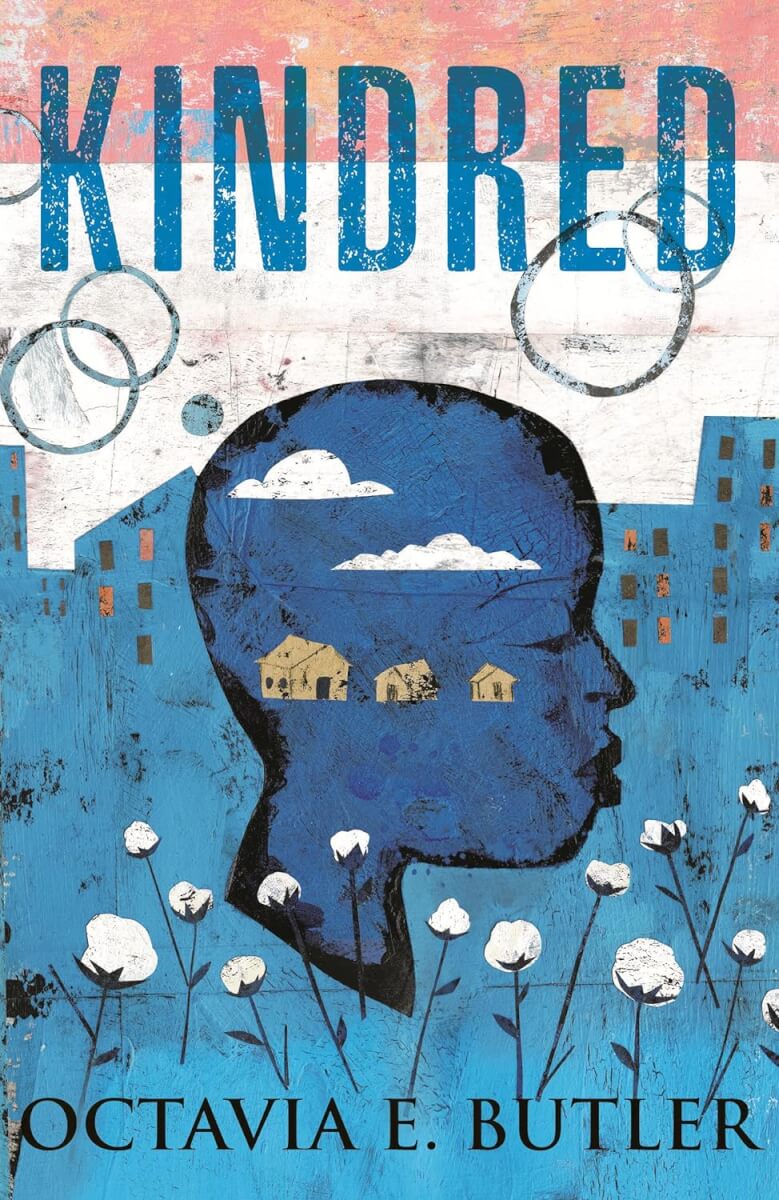
“Kindred” is time-travel science fiction that explores racism in the United States. It uses the trope of a modern person transported back to an unfamiliar time, only to encounter their own ancestors. “Nebula Award-winning author Octavia Butler brings us ‘Kindred,’ a grim time-travel fantasy about a young African American woman named Dana. Before the eyes of her white newlywed husband Kevin, Dana is mysteriously transported from 1976 California to 19th century Maryland. There she encounters her ancestors: Rufus, a spoiled slaveholder, and Alice, a free Black woman forced into slavery. Then, Dana herself becomes entangled in the dynamics and dilemmas of plantation life,” according to About Great Books.
Pan Macmillan writes: “Appearing in the past without warning, Dana is forced into the role of house-slave to survive. Based on the historical accounts of slaves themselves, Butler uses time travel to great effect. The contrast between Dana’s 20th century expectations and what she must do to survive in the 1800s makes the reader face their biases head-on.”
“A generation-defining science fiction novel and one of the best pieces of American fiction ever written, ‘Kindred’ is a true masterpiece amongst time travel books, and science fiction in general… by one of the U.S.A.’s most important literary voices, Octavia Butler’s ‘Kindred’ is one of the most important American novels you’ll ever read; a masterpiece of time travel sci-fi,” states Books and Bao.
2. “This is How You Lose the Time War” (2019) by Amal El-Mohtar and Max Gladstone
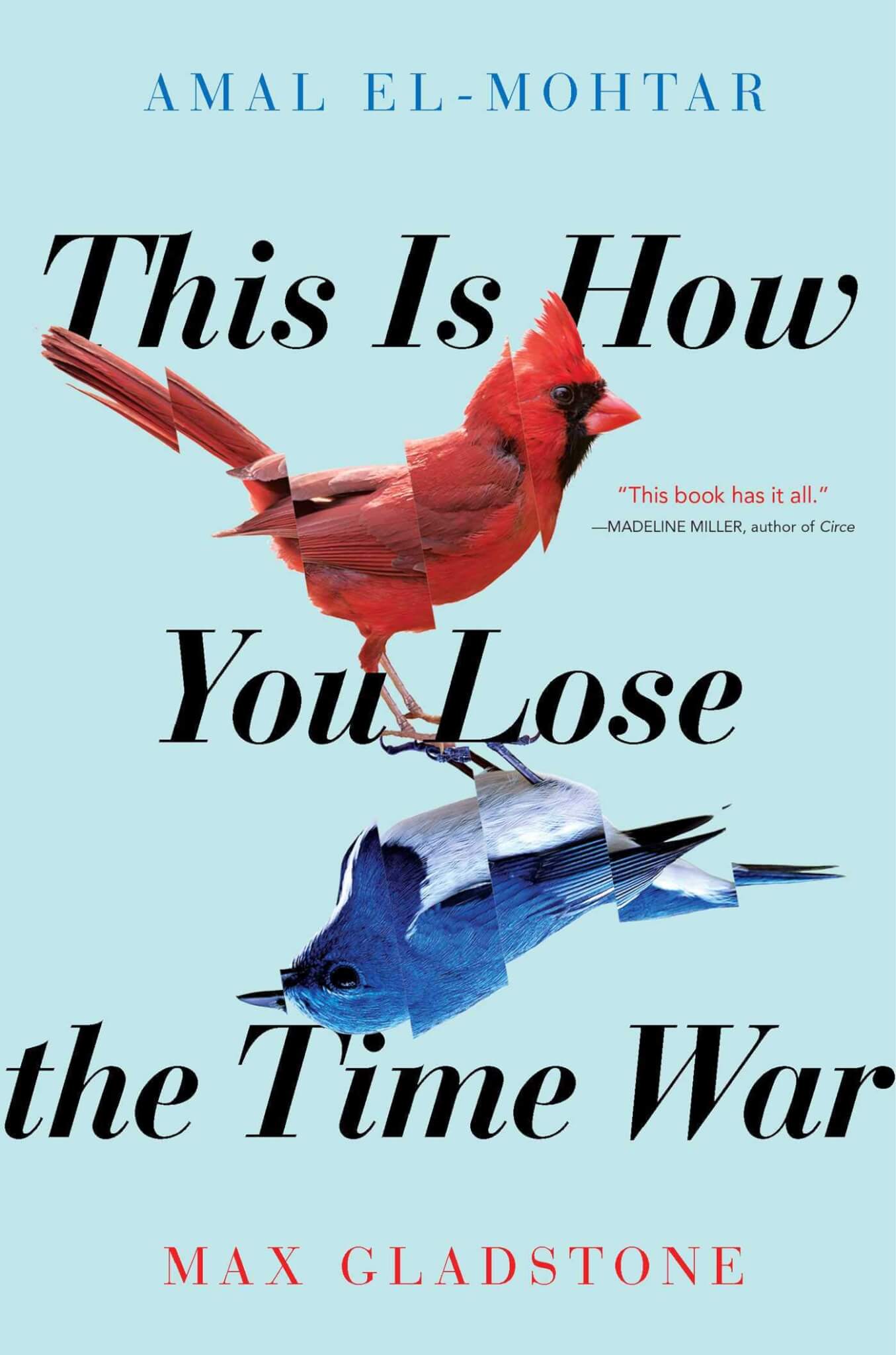
This fascinating story is reminiscent of the best spy vs. spy tales. It also touches on the common time travel trope of impossible love. Book Riot has a rave review: “Blue and Red are fighting on opposite sides of an endless time war. They begin to exchange letters on the battlefield, first as a boast, then as an exploration of friendship across enemy lines, and finally as a romance. I have previously described this as ‘poetic sci-fi realness.’ I could be more professional and say that this is an epistolary work of rival agents forming a bond despite their opposition, but like I can’t okay.”
The Uncorked Librarian adds: “The first half of the novel is a bit abstract. You might wonder what the heck you’ve gotten yourself into. However, once you get your feet planted firmly on the ground of the plot, the story picks up and starts making more sense. We can’t promise you’ll love or even understand ‘This Is How You Lose The Time War’ – we aren’t sure we do. However, this is truly one of the most unique sci-fi and LGBTQ+ time travel romance books on this reading list – written by two authors. Also, maybe crack out the dictionary…”
“In a creative telling between two gifted authors—each writing only as their characters, Red and Blue, in a back-and-forth exchange—the novella follows the rival time-traveling military agents from a warring future as they first taunt each other, then fall in love over the course of correspondence … all while engaging in various missions to change events from the past and ensure the survival of their faction in the present/future,” explains Reader’s Digest.
3. “The Time Machine” (1895) by H.G. Wells
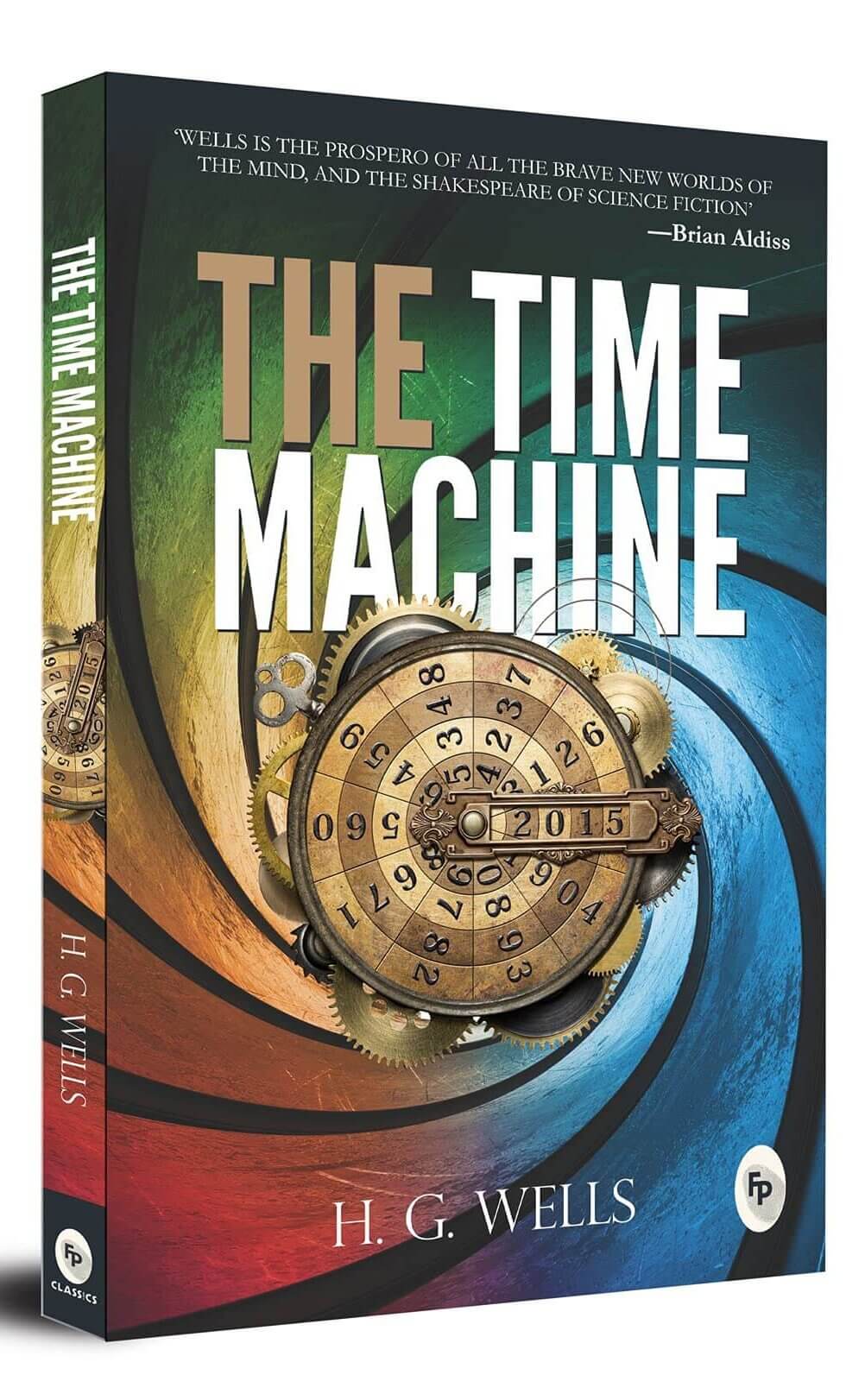
One of the first books on the subject of time travel, “The Time Machine” itself has become a window into the past thanks to masterful author H.G. Wells. Subject of several adaptations, many readers may already be familiar with the premise and plot. Penguin writes: “The great grandfather of modern science fiction… popularized the idea of being able to scoot back and forward in time at will. The hero is a classic gentleman scientist, who travels hundreds of millennia into the future to find humanity has evolved into two types: the elegant Eloi, and the ape-like Morlocks, representing an extreme version of class divisions in Victorian society. As with most science fiction, Wells was writing not about the future, but about his own society, and about evergreen human truths.”
“Travel through time and space with a brilliant vision of the world in cosmic time. Follow the journey of the Time Traveler in a machine that can travel in any direction, as H. G. Wells, one of the giants of twentieth-century literature takes you on an adventure that has captured the imagination of millions,” adds Read This Twice.
Books and Bao chimes in with additional praise: “This is where modern time travel stories began, with H.G. Wells’ sci-fi masterpiece, ‘The Time Machine,’ which has been adapted to film twice. As a side note, the original 1960 film starring Rod Taylor remains a fantastic piece of sci-fi cinema: a must-watch classic. Wells’ original novel was published in 1895 and set the stage for all the best time travel books that would follow.”
4. “The Time Traveler’s Wife” (2003) by Audrey Niffenegger
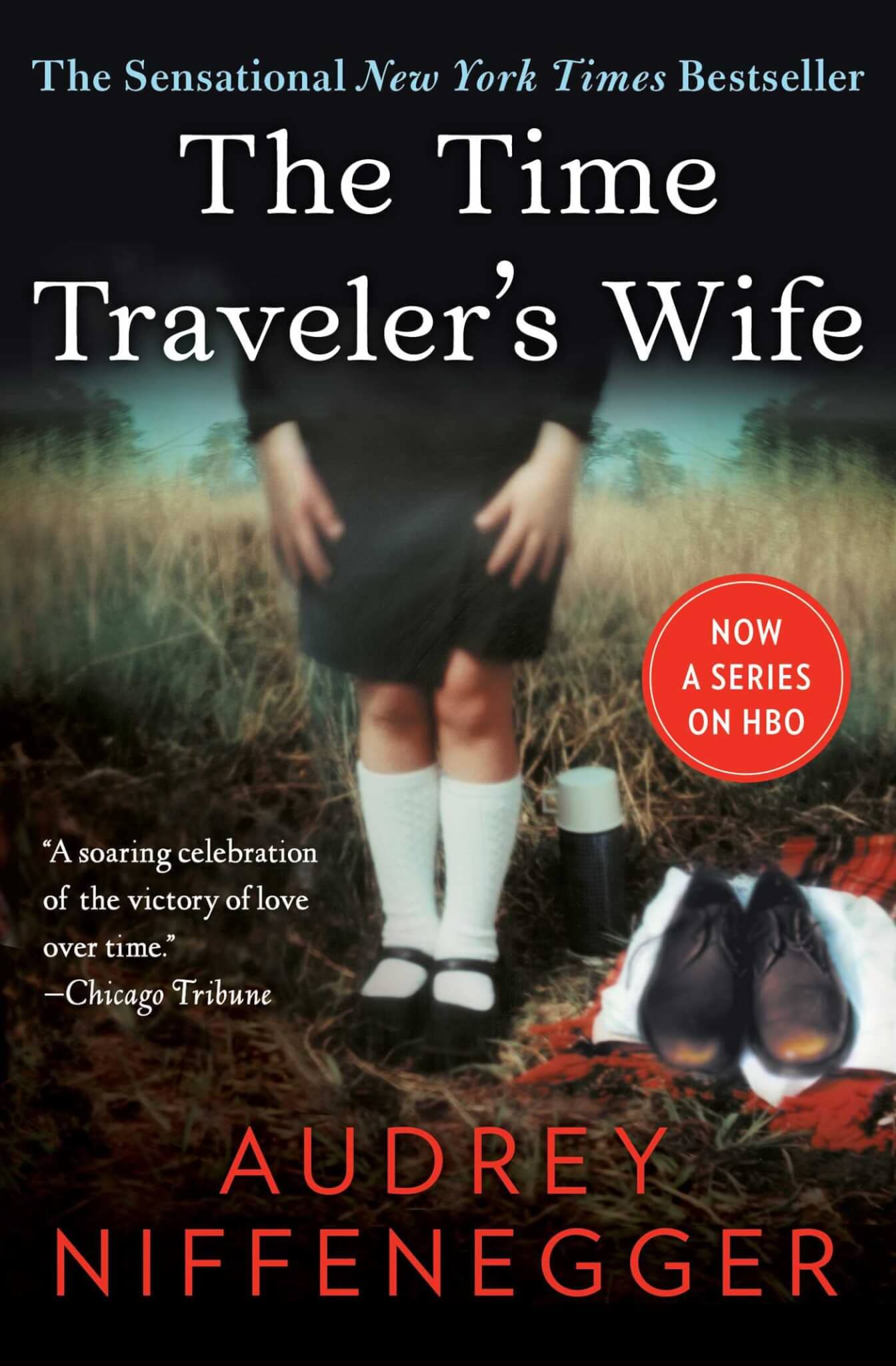
Here is another example of an epic love story that uses time travel as a storytelling MacGuffin. The time travel only serves to heighten the dramatic entanglements of the central couple. “This contemporary time travel novel has quickly become a classic love story between Clare and Henry, who gravitate towards each other despite Henry’s Chrono-Displacement Disorder, which causes him to be misplaced through time,” states Insider.
According to Town & Country, “This bestselling novel tells the love story of Henry DeTamble, a dashing, adventuresome librarian who inadvertently travels through time, and Clare Abshire, an artist whose life takes a natural sequential course. Plot sound familiar? The book was adapted into a 2009 film starring Rachel McAdams and Eric Bana, and a 2022 TV show starring Theo James and Rose Leslie.”
“Of course, this time-traveling dilemma makes Clare’s and Henry’s marriage and future together pretty darn interesting. Grab some Kleenex as they attempt to live normal lives and survive impending devastation,” says The Uncorked Librarian.
5. “The Future of Another Timeline” (2019) by Annalee Newitz
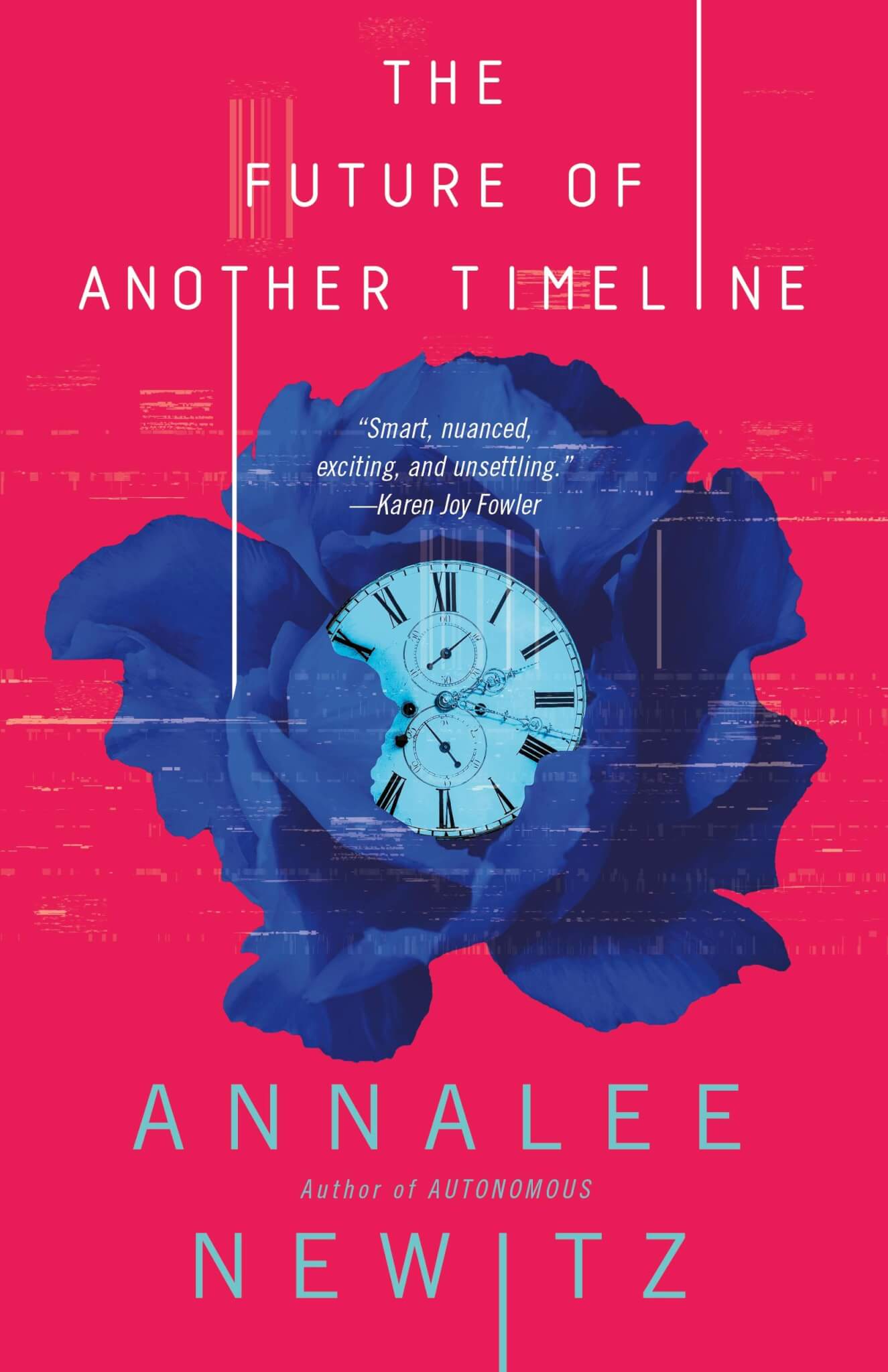
The most popular time travel books tend to focus on the relationships of the characters. “The Future of Another Timeline” does just this. Reader’s Digest says:“This contemporary work of speculative fiction, released in 2019… [takes] us to an existence that includes geologic wormhole generators and archeological features known as the ‘Machines.’ Using the Machines are the Daughters of Harriet (Tubman), whose work revolves around changing key moments in history to make the future better for women. Tess is one of these underground Daughters fighting their misogynistic nemesis, the Comstockers.”
“‘The Future of Another Timeline’ is a time travel fiction celebration of feminism and queerness with lots of sci-fi and punk rock thrown in. This is one of the best time travel novels for those who enjoy stellar women making history,” as briefly stated by The Uncorked Librarian.
“Tess belongs to a group called the Daughters of Harriett, determined to make the future better for women by editing the timeline at key moments in history. They run up against the misogynistic group called the Comstockers working towards the opposite goal. There’s time travel, murder, punk rock concerts, nerd references, and an edit war,” adds Book Riot.
Sources:
- About Great Books
- Pan Macmillan
- Books and Bao
- Book Riot
- The Uncorked Librarian
- Reader’s Digest
- Penguin
- Read This Twice
- Insider
- Town & Country
Note: This article was not paid for nor sponsored. StudyFinds is not connected to nor partnered with any of the brands mentioned and receives no compensation for its recommendations. This article may contain affiliate links in which we receive a commission if you make a purchase.


“Light of Other Days” Arthur C. Clarke & Stephen Baxter
Very unusual take on time travel that explores the impact on society if it becomes possible for anyone, anywhere at anytime to see others and privacy disappears.