
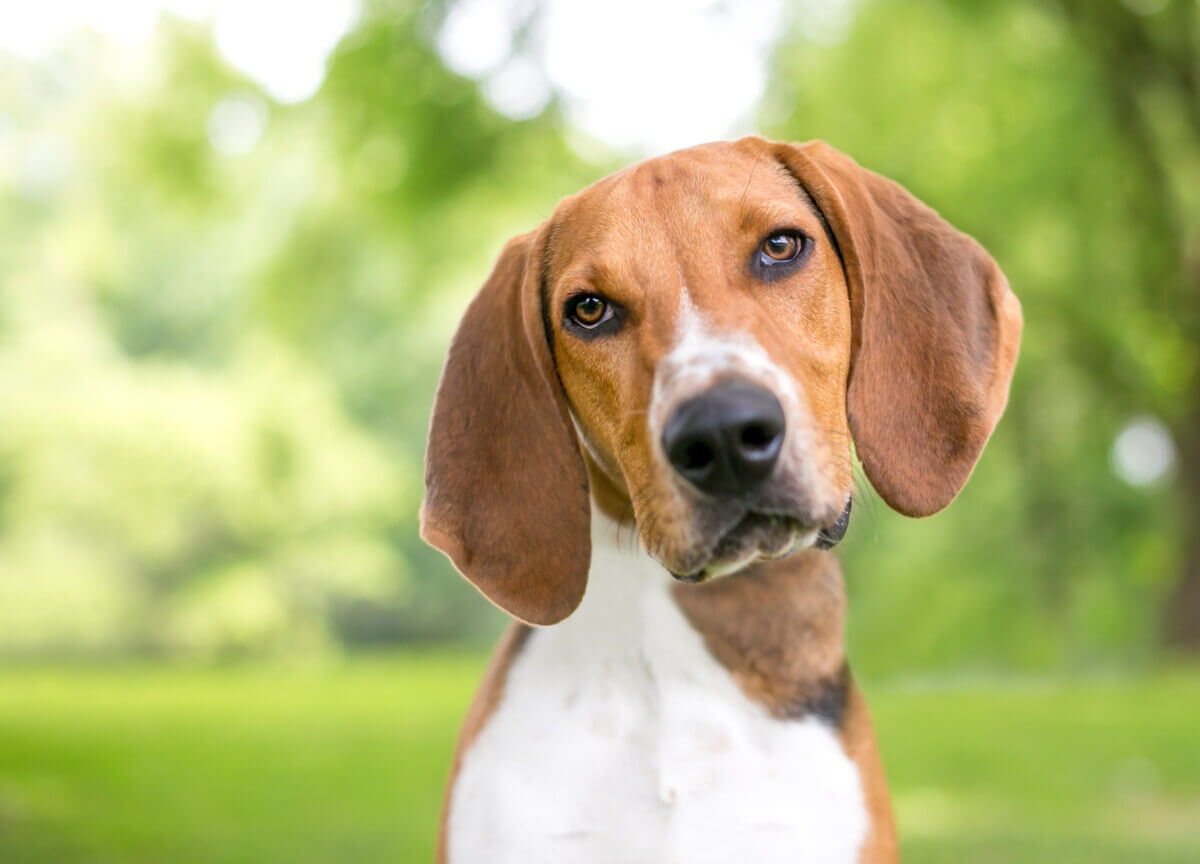
American Foxhound (Photo by Mary Swift on Shutterstock)
While many dog breeds enjoy widespread popularity and recognition, others remain relatively unknown or overlooked by potential pet owners. These lesser-known breeds, often referred to as “rare” or “uncommon,” possess unique characteristics and rich histories that make them just as worthy of consideration as their more famous counterparts. This article explores some of the world’s least popular dog breeds, shedding light on their distinctive traits, care requirements, and the reasons behind their limited popularity.
It is important to note that this is not a hater’s list. Rather, this is a ranking of the dogs that are less common with pet owners, whether that be because of behavior, rarity, or a simple lack of awareness of the breed. These pups are not at the top of people’s minds when it comes to choosing a new furry friend, but that doesn’t mean they don’t make great pets, too. We turned to expert sources to learn that the five least popular breeds are all hunting dogs that are well-loved by people that need an active pup. Please let us know your opinions on these canines in the comments below!
StudyFinds is a research-driven platform that analyzes and synthesizes expert recommendations from trusted sources. Rather than writing reviews ourselves, we meticulously compile consensus findings from leading industry experts and established publications to save consumers valuable research time. Each article represents hours of analysis across multiple authoritative sources to identify the most consistently recommended choices.
5 Least Popular Dog Breeds, According to Experts
1. Sloughi
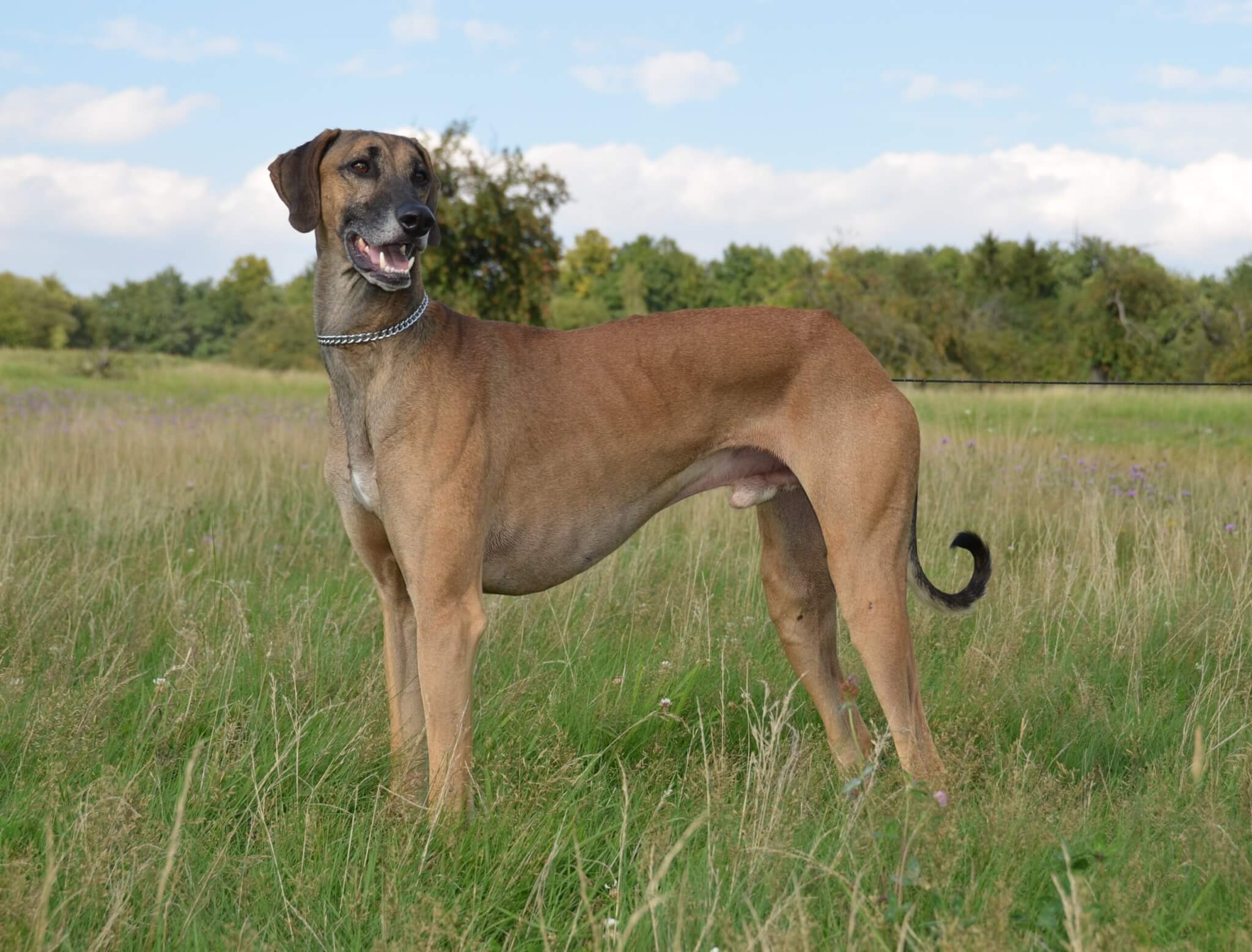
The lowest ranked dog in terms of popularity with the American Kennel Club [AKC] is the Sloughi. This is not to say that these are bad dogs in any sense, merely that they are poorly ranked on the popularity charts. Meet the Sloughi, an elegant sighthound that’s as rare as it is captivating. Often dubbed the Arabian greyhound, this breed hails from the sun-baked lands of North Africa. The Dog People tell us that these graceful canines come in a palette of three colors and four distinct markings, adding to their exotic allure. While they’re fiercely loyal to their families, don’t expect them to be the life of the party – Sloughis are known for giving strangers the cold shoulder.
If you’re picturing a Greyhound with a twist, you’re on the right track. Hepper describes the Sloughi as essentially a North African version of the popular racing breed. These long-limbed speedsters still put their hunting skills to use in some North African countries, but they’ve struggled to gain traction elsewhere. Potential owners, take note: these dogs need space to stretch out and occasionally unleash their impressive speed, so a postage stamp-sized yard won’t cut it.
Wondering about their history? Pets sheds light on the Sloughi’s impressive resume. These medium-sized dogs were bred to be amazing sighthounds, proving their mettle in pursuits ranging from fox hunts to chasing down wild pigs, gazelles, jackals, and hares across the North African deserts. But don’t pigeonhole them as just working dogs – their sleek physique and regal bearing have made them regulars in the dog show circuit too. So whether you’re looking for a four-legged athlete or a canine fashion model, the Sloughi might just fit the bill.
2. English Foxhound
English Foxhounds are working dogs that can be great for folks that have a need for an energetic working breed. For many suburban and city dwellers, these tenacious dogs might not be the best fit. While many hunting breeds have found their way into our living rooms, the English Foxhound remains a bit of an outsider in the world of companion dogs. Newsweek points out that these canines are still primarily the domain of hunters, living and working in packs trained for the age-old pursuit of foxes. It’s as if these dogs have one paw in the past, clinging to their traditional roles even as other breeds have adapted to life as family pets.
But what’s keeping the English Foxhound from becoming the next big thing in the dog world? Microsoft Start sheds some light on the matter. This innate hunting instinct comes with a catch – these dogs are fiercely independent and always on the lookout for potential prey. This stubborn streak can make training a bit of an uphill battle. Add to that their impressive vocal range – their barks and howls can carry for miles – and you’ve got a dog that’s more suited to wide-open spaces than city living.
Despite these challenges, the English Foxhound isn’t without its charms. Reader’s Digest describes this unique cross-breed as a fascinating mix of Greyhound, Fox Terrier, and Bulldog qualities. The result? A fast, intelligent hunter with a friendly disposition and boundless energy. They’re known for their gentleness with children and other pets, making them potentially great family dogs. Yet, for reasons that remain a bit of a mystery, they’ve failed to capture the hearts of North American dog lovers en masse. Perhaps it’s time for this underappreciated breed to step out of the hunting grounds and into the spotlight.
3. American Foxhound
The American counterpart to the previous entry on the list, American Foxhounds might be a great choice for families that are ready for a more active dog. For the best results, American foxhounds need an outlet for their tremendous energy. Step back in time with this breed steeped in early American history. Pawversity reveals that these scent hounds, close cousins to their English counterparts, have roots tracing back to 1650. That’s when a group of hunting dogs arrived on American shores, becoming the foundation for several distinctly American hound breeds. Born and bred in the lush landscapes of Maryland and Virginia, these dogs were tailor-made for the quintessentially British sport of fox hunting, adapted for the New World.
But life with an American Foxhound isn’t all colonial charm and fox chases. Dog Breed List warns potential owners that these pups come with a furry surprise – they’re prolific shedders. If you’re thinking of welcoming one of these historical hounds into your home, be prepared to keep your vacuum cleaner on standby. And for city dwellers, take note: these energetic dogs need plenty of exercise to stay happy and healthy. An apartment lifestyle might work, but only if you’re committed to providing ample daily activity.
While their hunting prowess is well-documented, American Foxhounds have proven themselves to be more than just sporting dogs. Seattle Pi points out their status as the state dog of Virginia, a testament to their enduring popularity in their home region. But it’s their heroic efforts in times of crisis that truly showcase their versatility. Thanks to their exceptional sense of smell, these hounds have become valuable assets in search-and-rescue operations. In one of the darkest moments in recent American history, over 300 American Foxhounds answered the call of duty, aiding in the recovery efforts following the 9/11 attacks in New York City. It’s a poignant reminder that this breed, born from America’s colonial past, continues to serve and adapt in our modern world.
4. Norwegian Lundehund
The Norwegian Lundehund is a bird hunter that many Americans don’t know about. They have a small frame that aids them in their traditional puffin-hunting role. If you’re looking for a dog that breaks the mold, look no further than the Norwegian Lundehund. Click Orlando reveals that these peculiar pooches come equipped with some truly extraordinary features that make them masters of puffin hunting. Imagine a dog with not four, not five, but six toes on each foot! This unique adaptation allows them to scamper across slippery rocks with the agility of a mountain goat. But wait, there’s more – these canine oddities can actually fold their ears shut, a nifty trick that keeps water out and allows them to squeeze into tight puffin burrows. It’s as if Mother Nature designed these dogs with a very specific job description in mind.
But life with a Lundehund isn’t all puffin pursuits and rock scrambling. Dog Breed List reminds us that these active little dogs need their daily dose of exercise to stay happy and healthy. So, if you’re considering adding one of these Norwegian natives to your family, be prepared for regular walks and playtime. However, potential owners with allergies should take note – despite their relatively small size, Lundehunds aren’t hypoallergenic. If you’re prone to sneezing around furry friends, this might not be the breed for you.
Rounding out our Lundehund lowdown, Pets has some intriguing insights into their place in the dog world. These pups may be small – topping out at a modest 30 pounds – but they’re certainly not short on personality. With a lifespan that can stretch to 15 years, they’re in it for the long haul. Lundehunds are known for their alertness and loyalty, traits that make them excellent companions. But don’t let their size fool you – these dogs are bundles of energy, always ready for the next adventure. Interestingly, despite their unique qualities (or perhaps because of them), Lundehunds find themselves at the bottom of the American Kennel Club’s popularity list. It seems these quirky canines are still waiting for their moment in the spotlight.
5. Harrier
Rounding out our list is the Harrier. This is another beloved hunting breed that doesn’t seem to be a popular choice with suburbanites and city folk. Meet the Harrier, a breed that’s like the Goldilocks of the hound world – not too big, not too small, but just right. Microsoft Start paints a picture of a dog with boundless energy and a playful spirit, originally bred for the pursuit of hares and foxes. These four-legged bundles of joy are a hit with kids and get along swimmingly with their canine counterparts. But potential owners, take note: Harriers aren’t couch potatoes. They crave wide-open spaces where they can stretch their legs and burn off that seemingly endless energy. So if you’re living in a shoebox apartment, you might want to think twice. And here’s a heads up for the neat freaks among us – Harriers come with a side of drool. A lot of drool.
If you’ve ever done a double take thinking you’ve spotted a beagle on steroids, chances are you’ve encountered a Harrier. The Dog People writes that this breed shares ancestral ties with both the beagle and the English foxhound, explaining that family resemblance. Like their relatives, Harriers were born to hunt, and that instinct runs deep in their veins. These social butterflies are as handsome as they are friendly, but they’re not apartment dwellers by any stretch. A securely fenced yard isn’t just a nice-to-have for a Harrier – it’s a must-have.
Hepper mentions some more insights into what makes Harriers tick. Think of them as the middle child between English Foxhounds and Beagles, at least when it comes to size. But don’t let their medium stature fool you – these dogs are built like furry tanks, with muscles and bones designed for endurance. It’s this sturdy build that makes them perfect partners for long, energy-burning activities. When it comes to temperament, Harriers hit the jackpot. They’re loving, loyal, and have a special knack for getting along with kids. While they’re social butterflies in the canine world, their strong hunting instinct means they’re not ideal housemates for smaller pets. So if you’re looking for a dog to coexist with your pet rabbit, you might want to look elsewhere.
Sources
Note: This article was not paid for nor sponsored. StudyFinds is not connected to nor partnered with any of the brands mentioned and receives no compensation for its recommendations. This article may contain affiliate links in which we receive a commission if you make a purchase.


The norweigan puffin dog ( norsk lundehund) have not much health issues and is a great friend. Having my third puffindog now!
I have owned many different breeds of dogs over the years. The American Foxhound, Walker Coonhound, and the Beagle make wonderful family pets. They are kind gentle and affectionate. They love to go on daily walks and hikes because they are a hunting breed and it’s really a requirement. It’s my opinion that they are well worth owning.
I had a Treeing Walker Coonhound (very similar to foxhounds). Beautiful, loving, loyal dog. But the barking and howling, it toom me at least three years to get sorta used to it. And yep, i had a small garden rake I used as part of cleaning the house, because of all the sheding.. i kid you not, a garden rake.
They are all beautiful dogs
Beagle